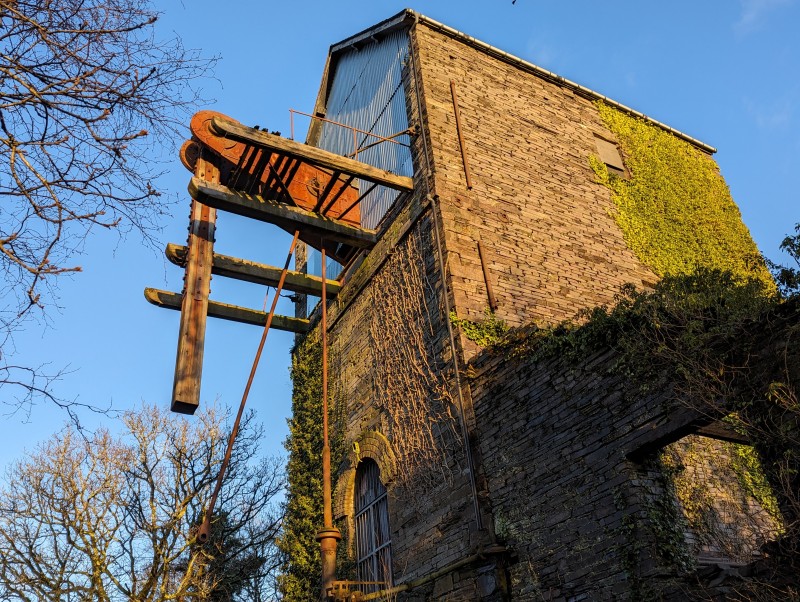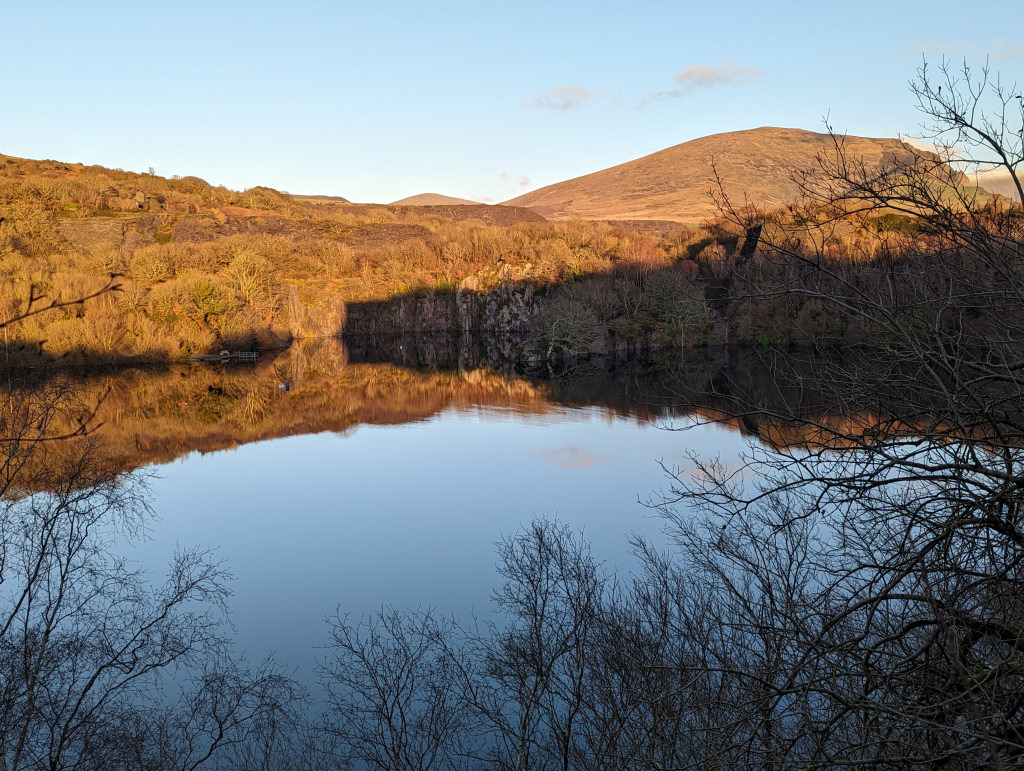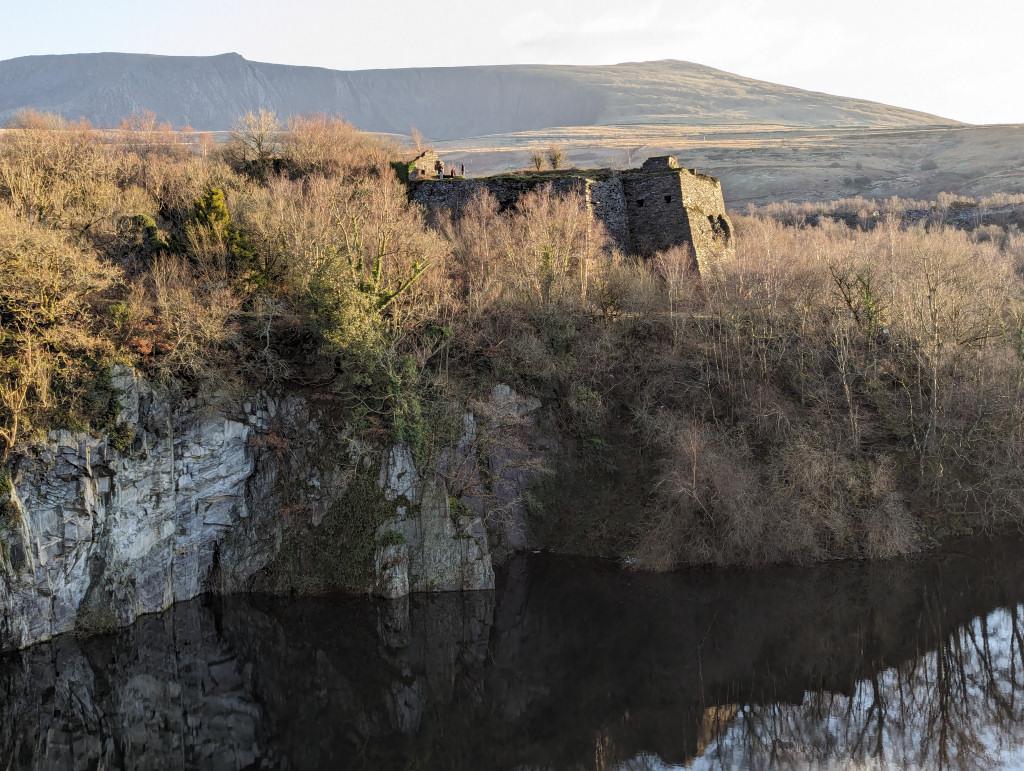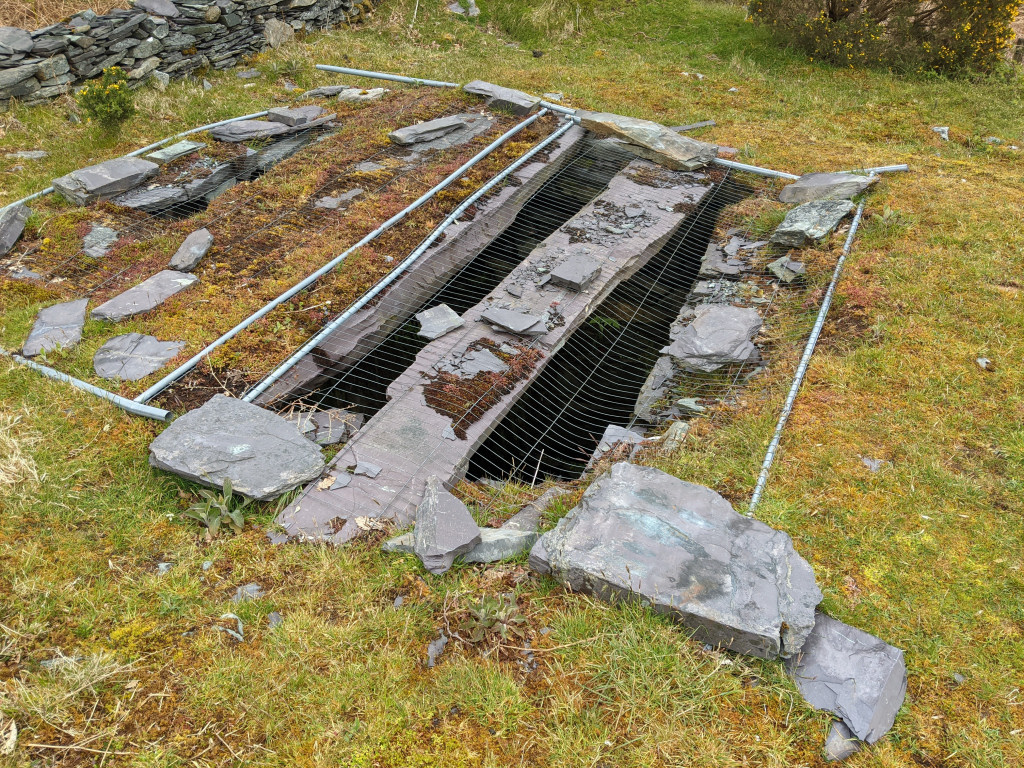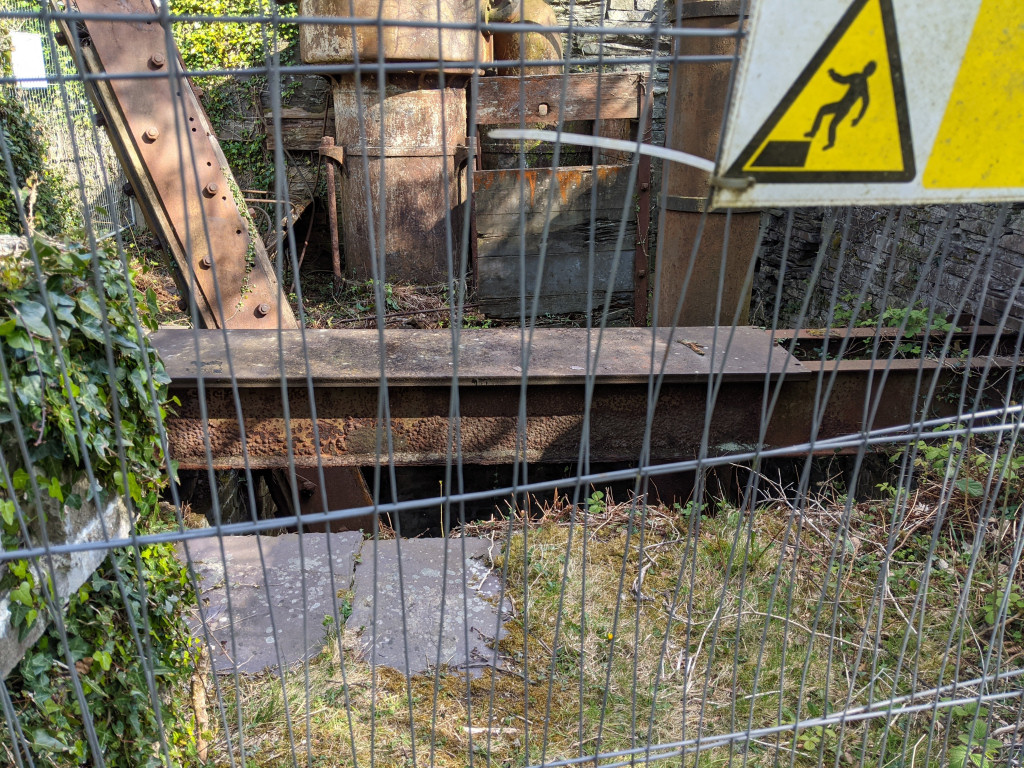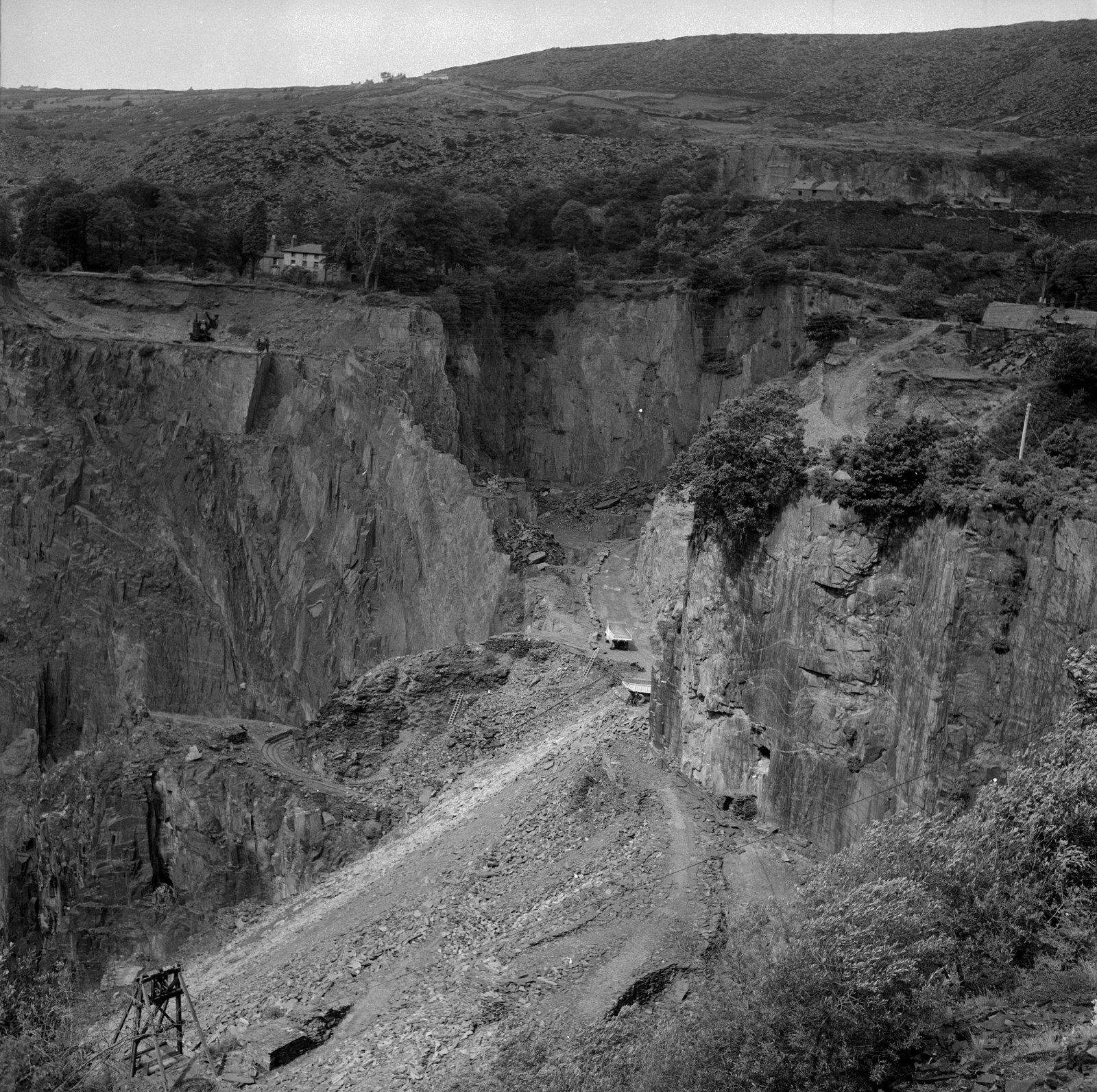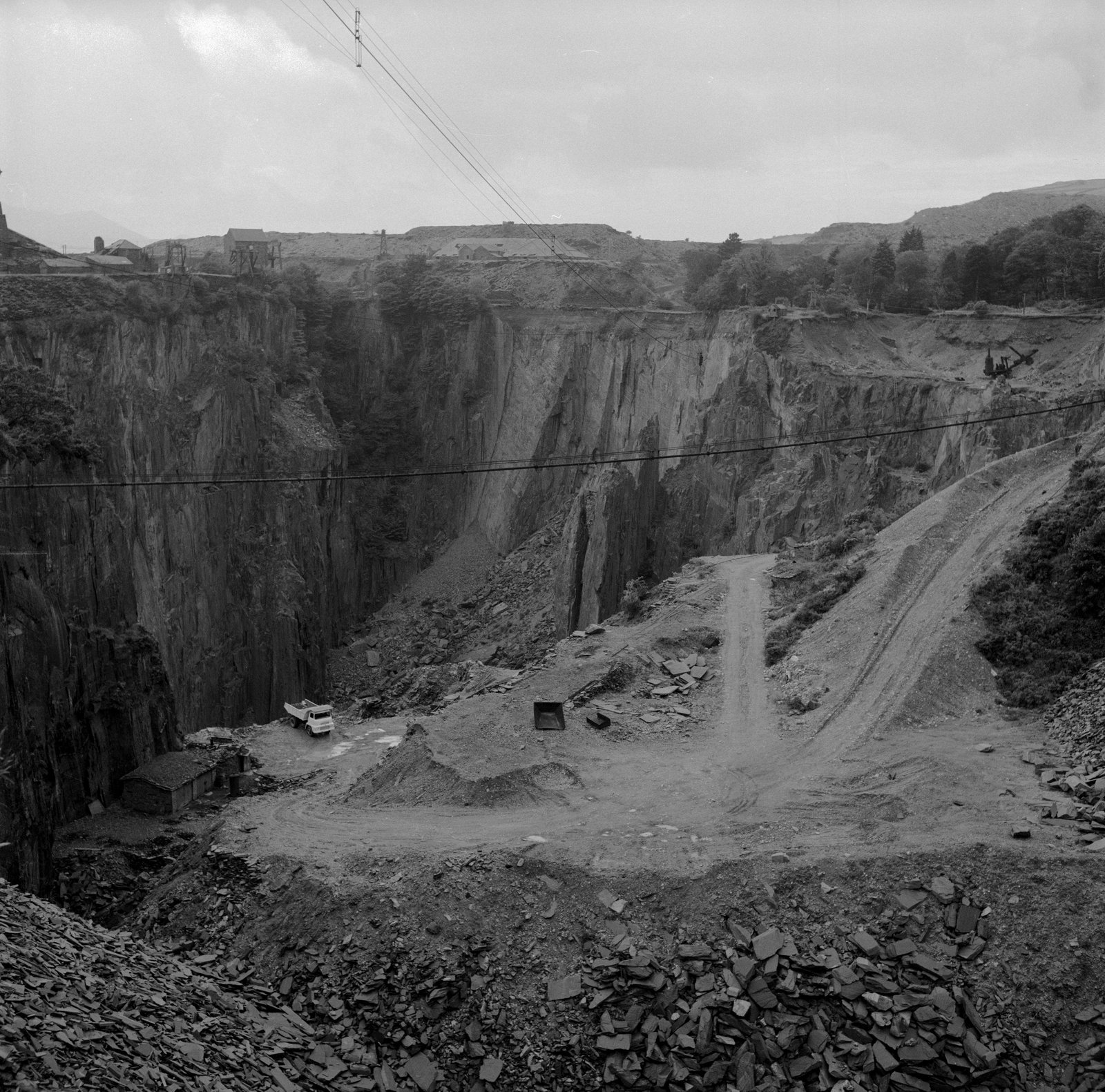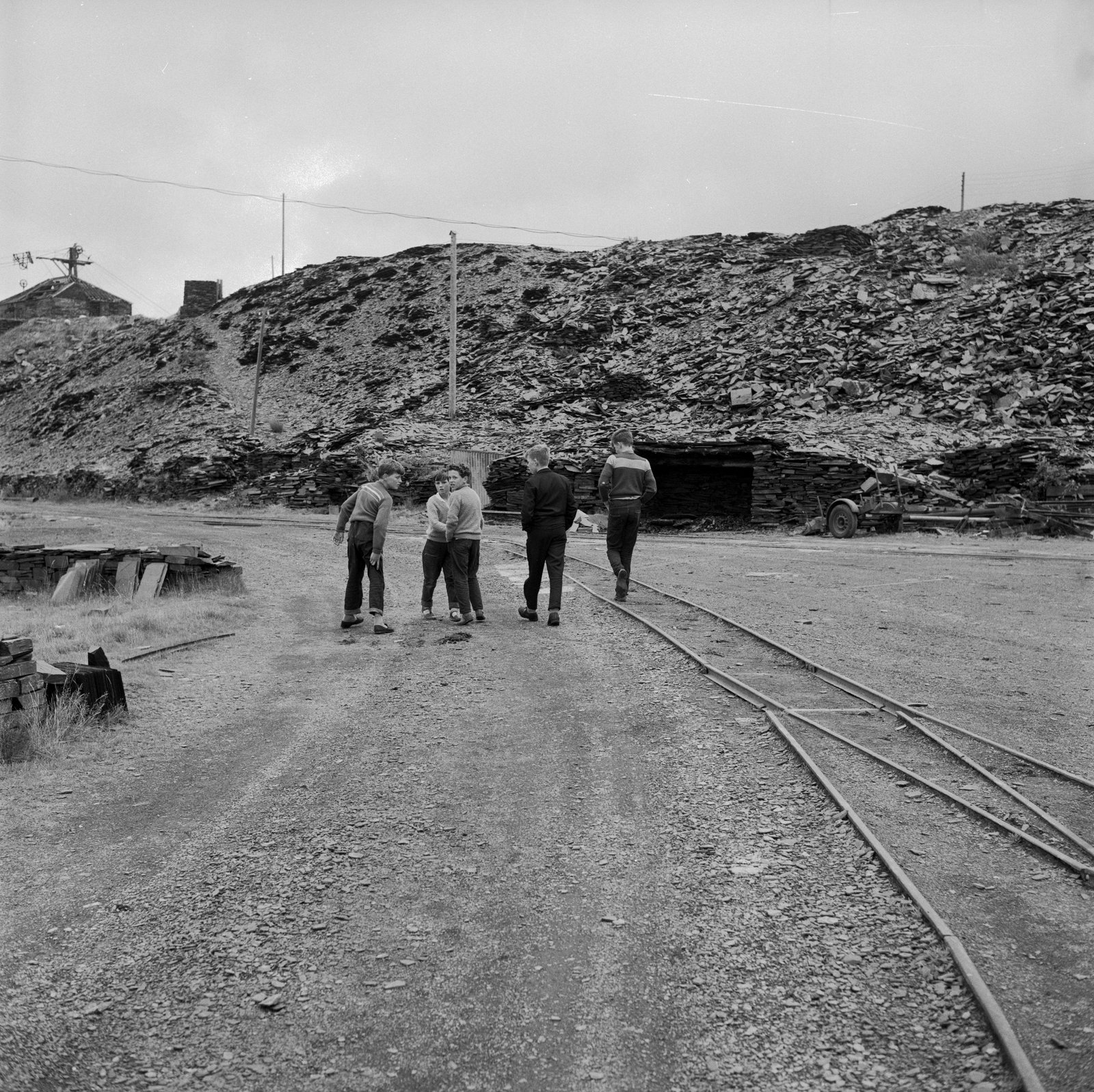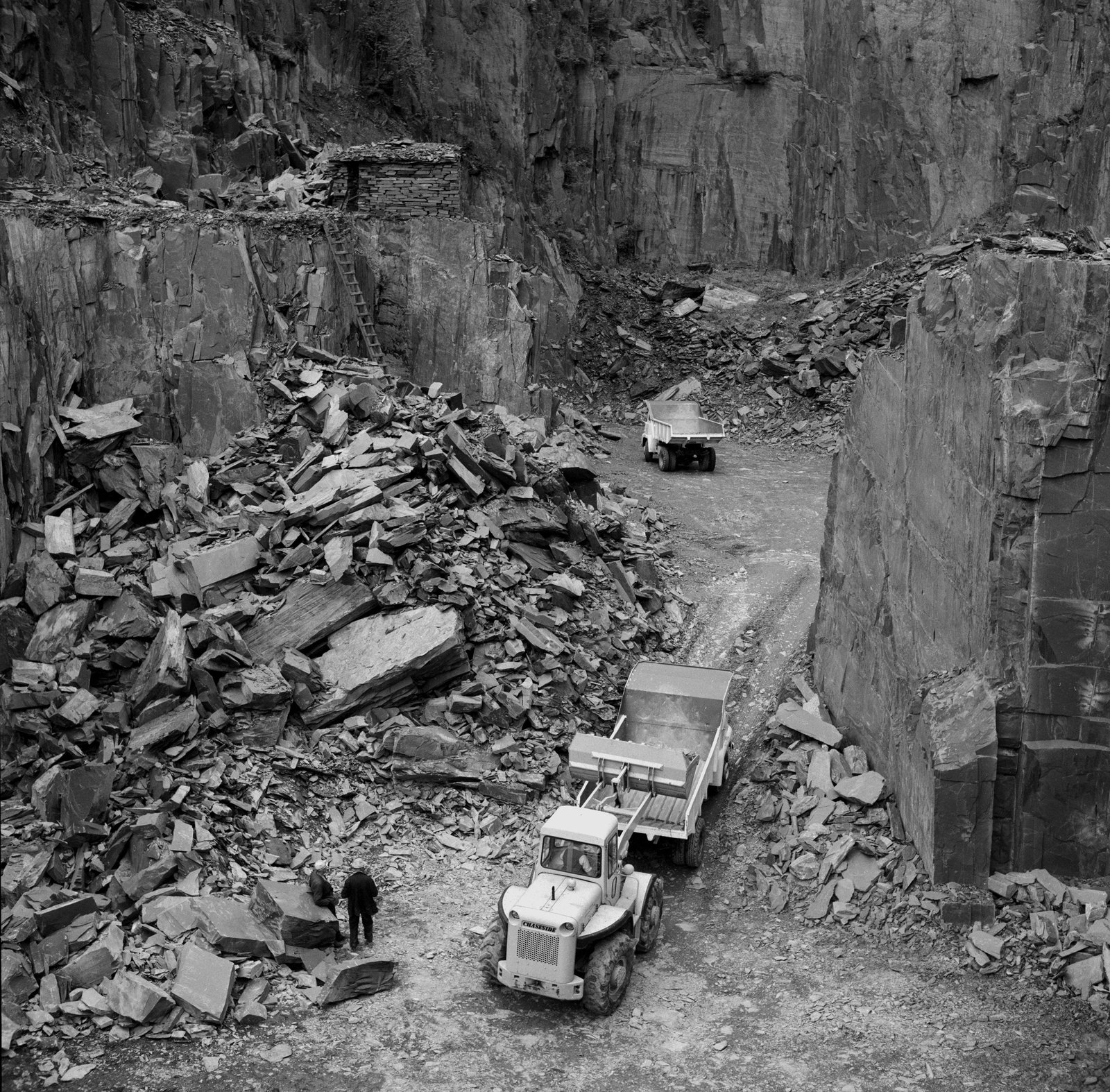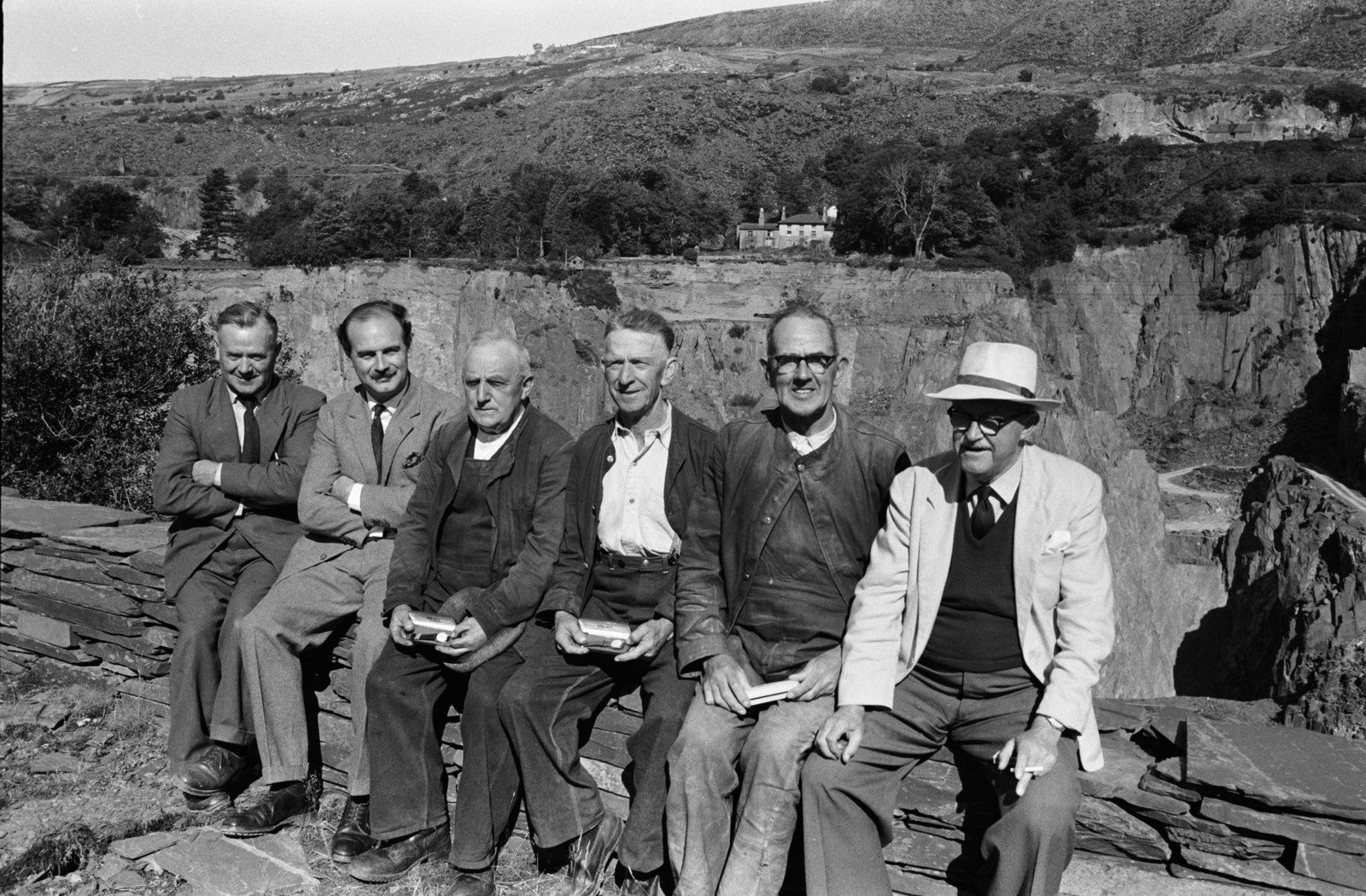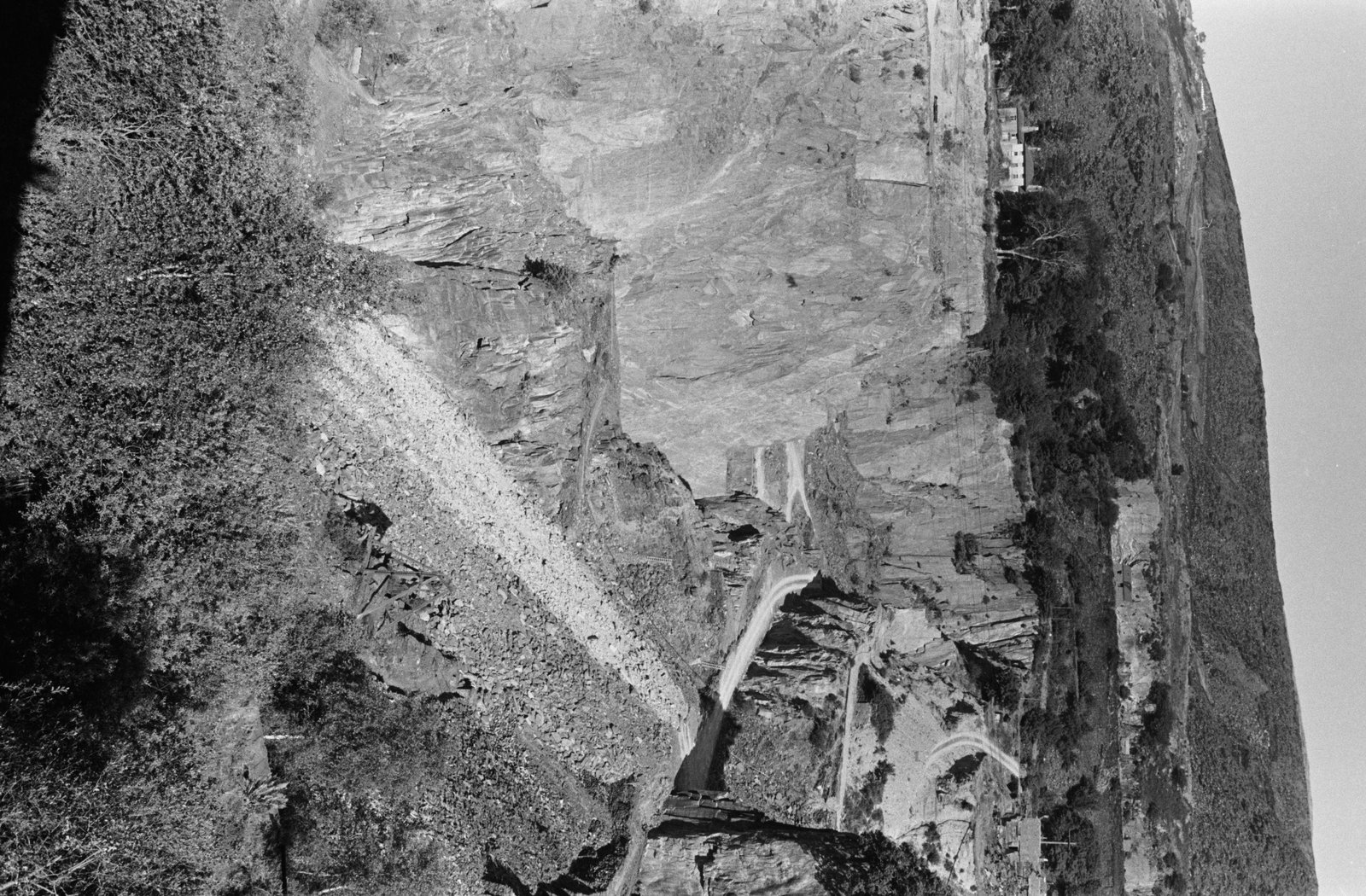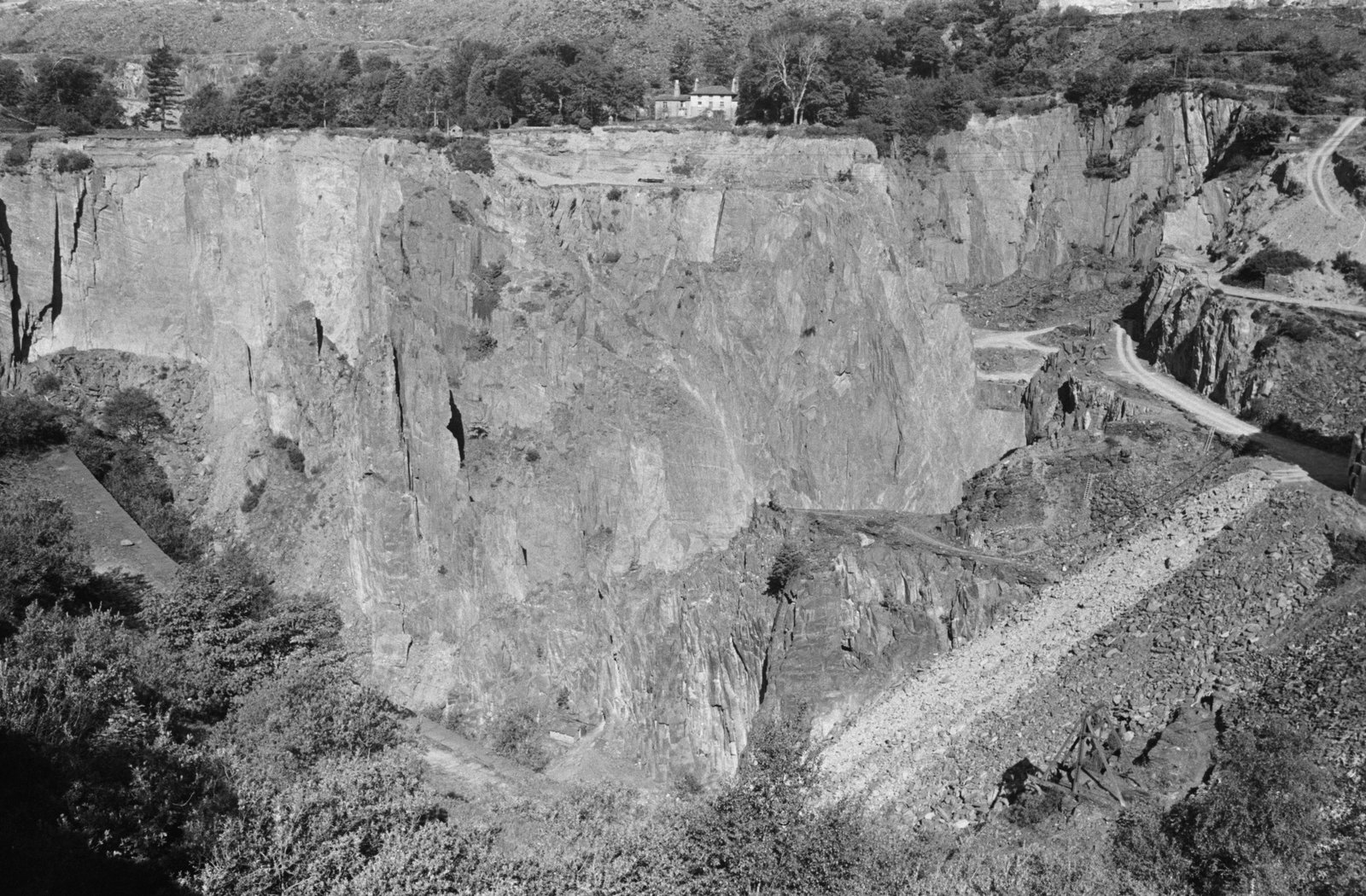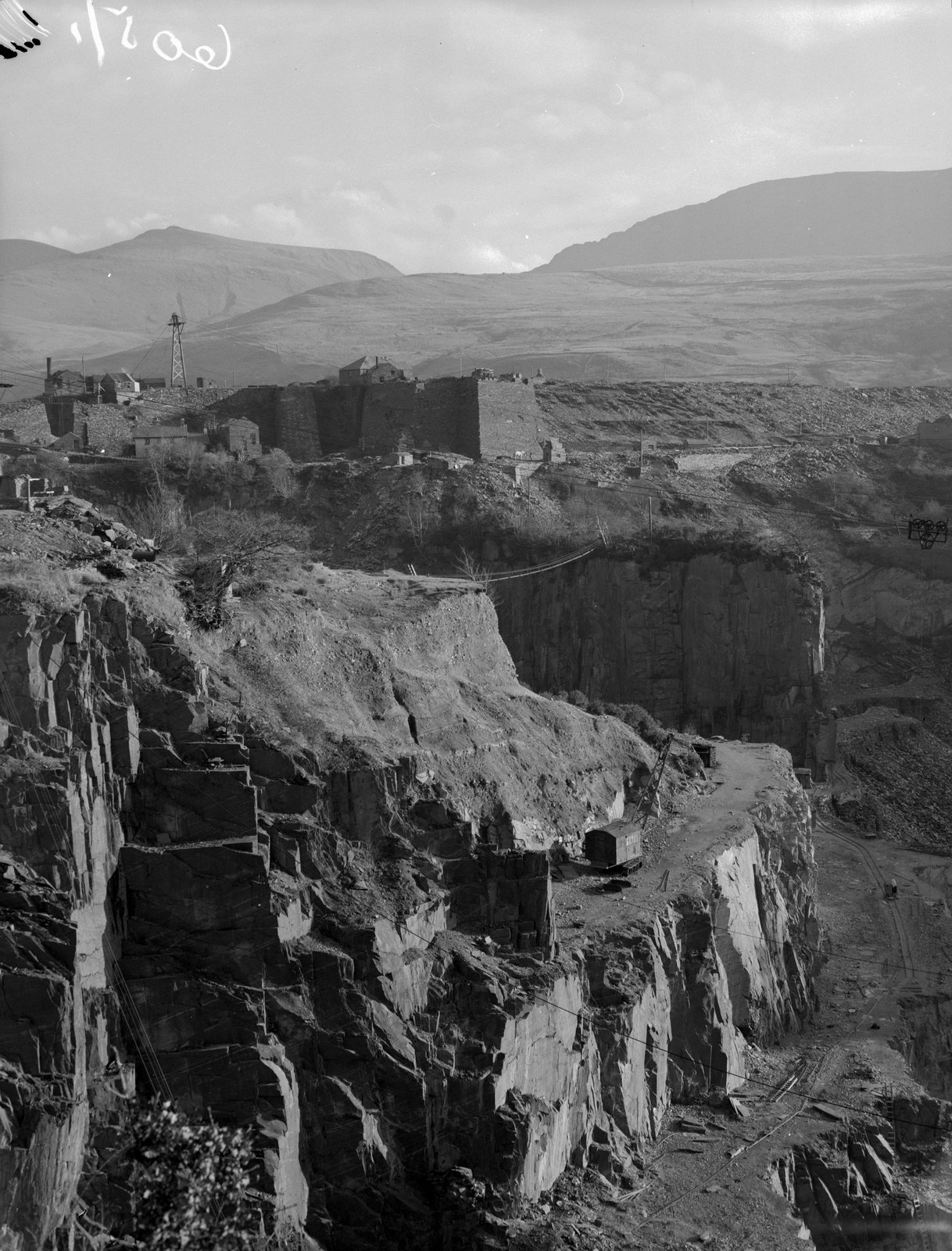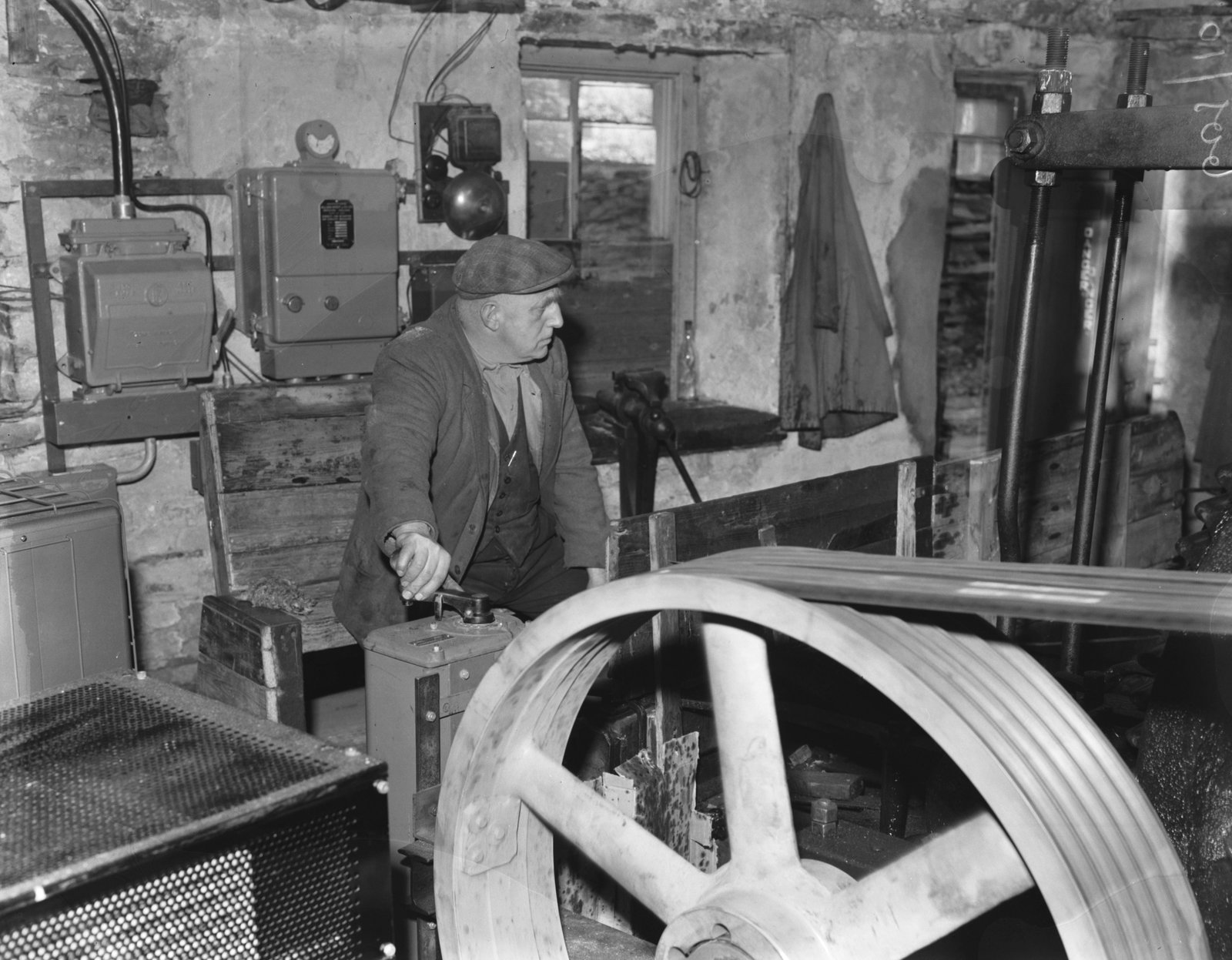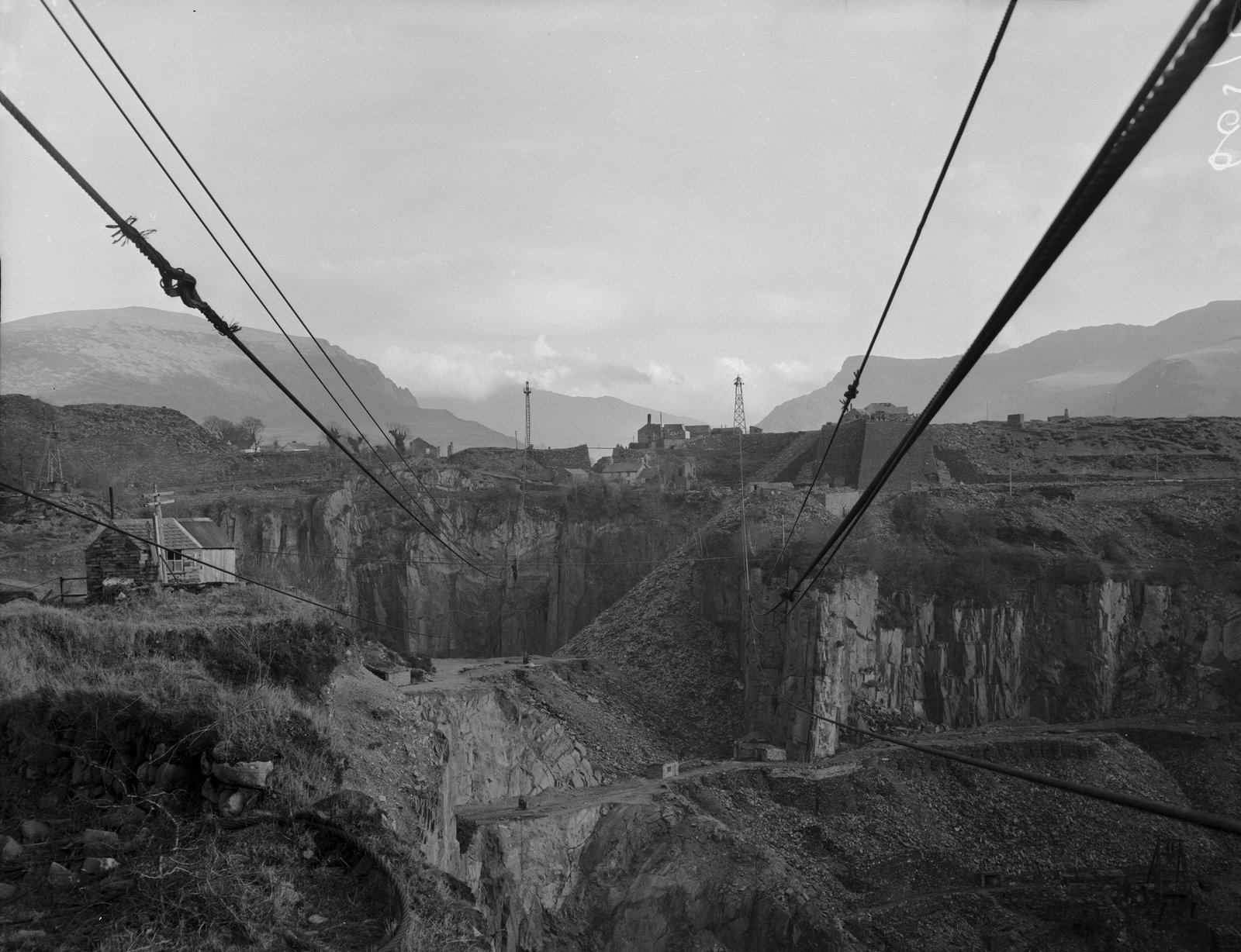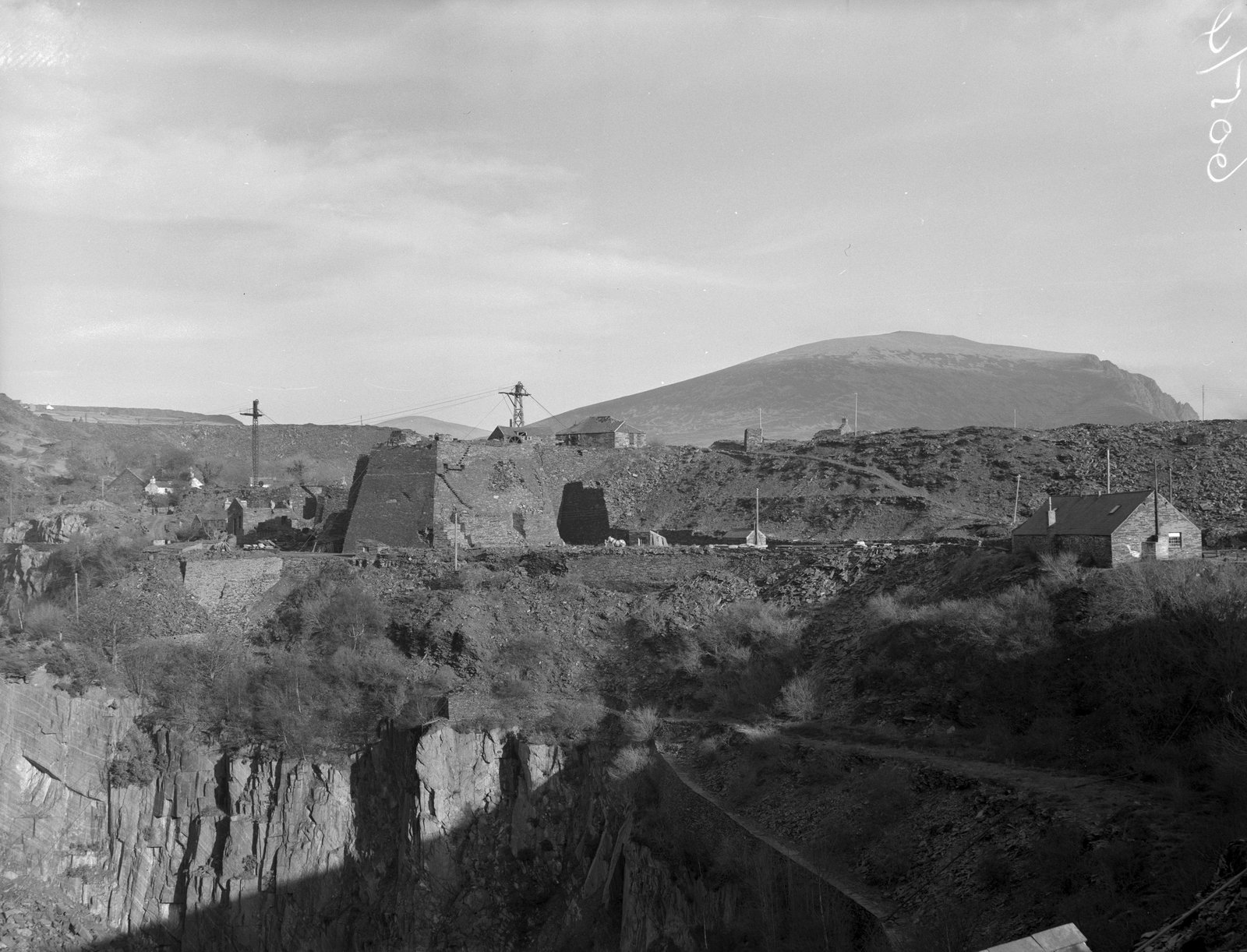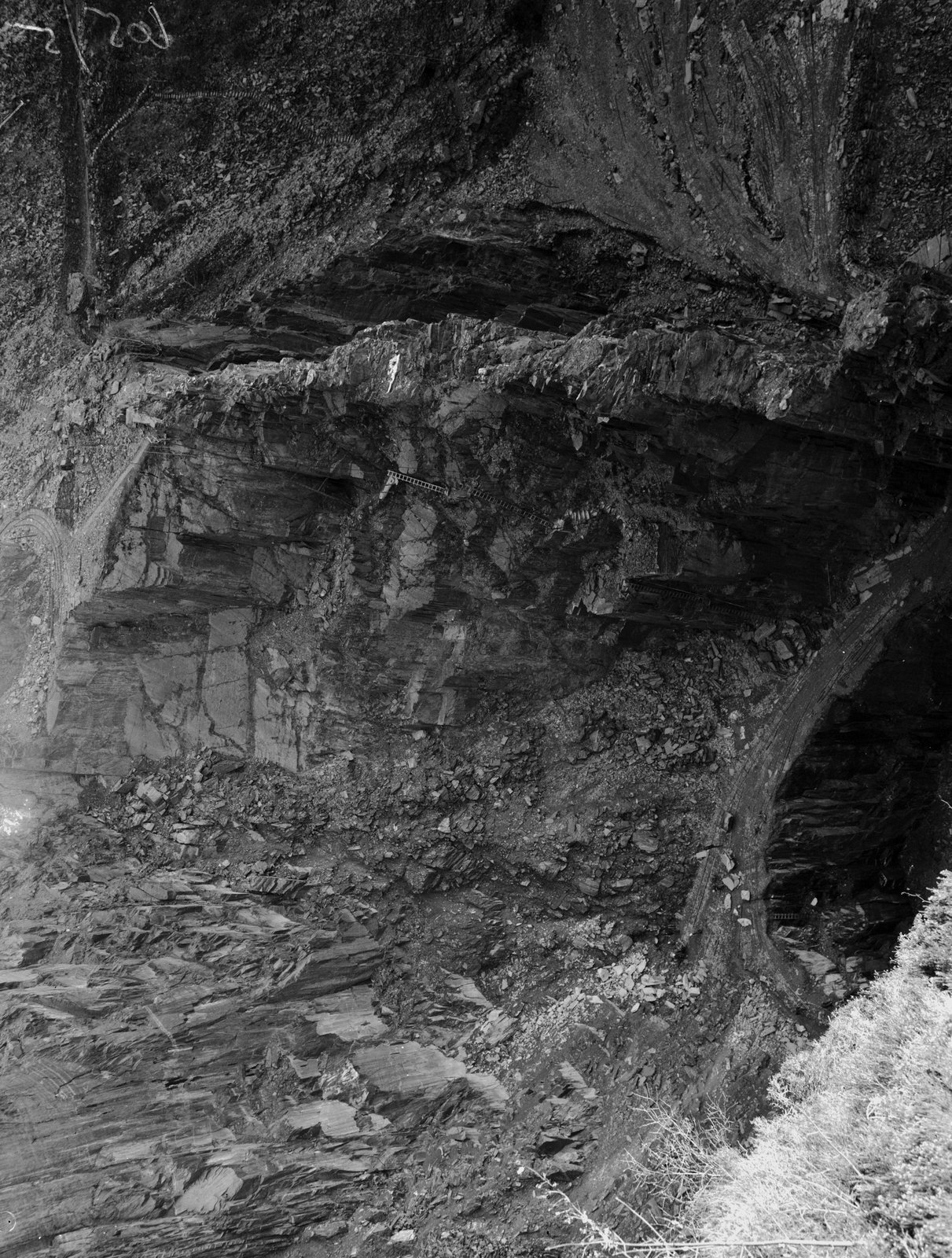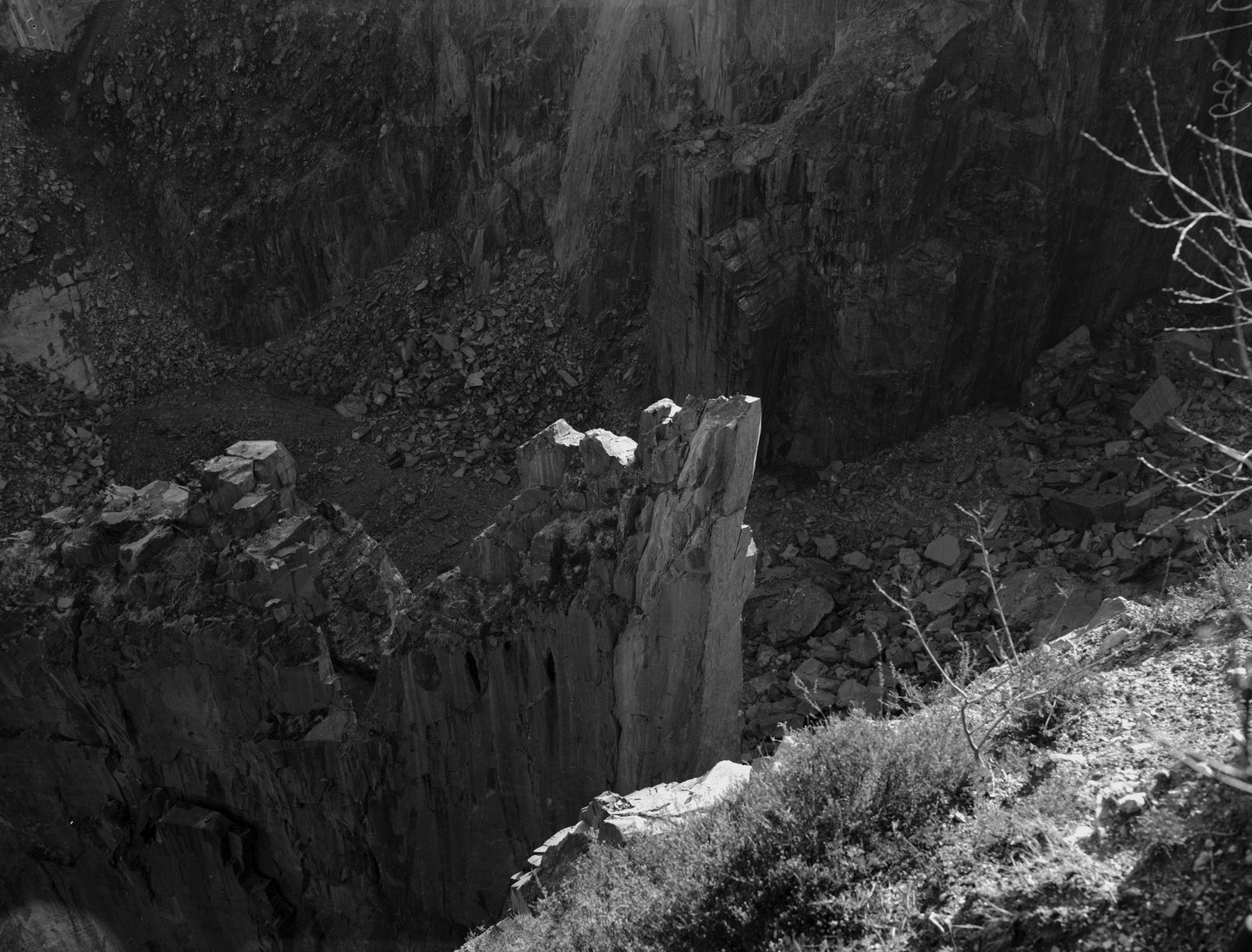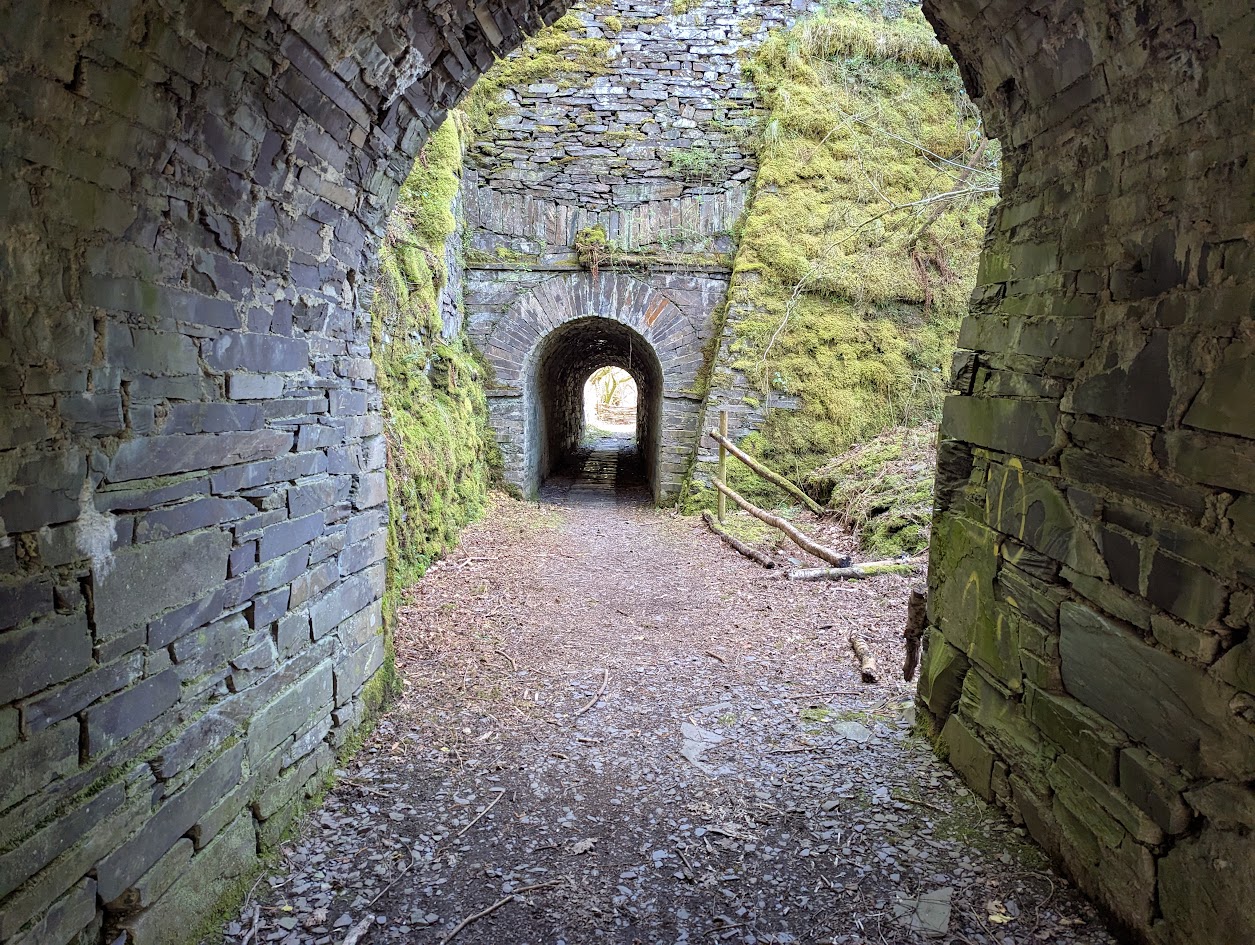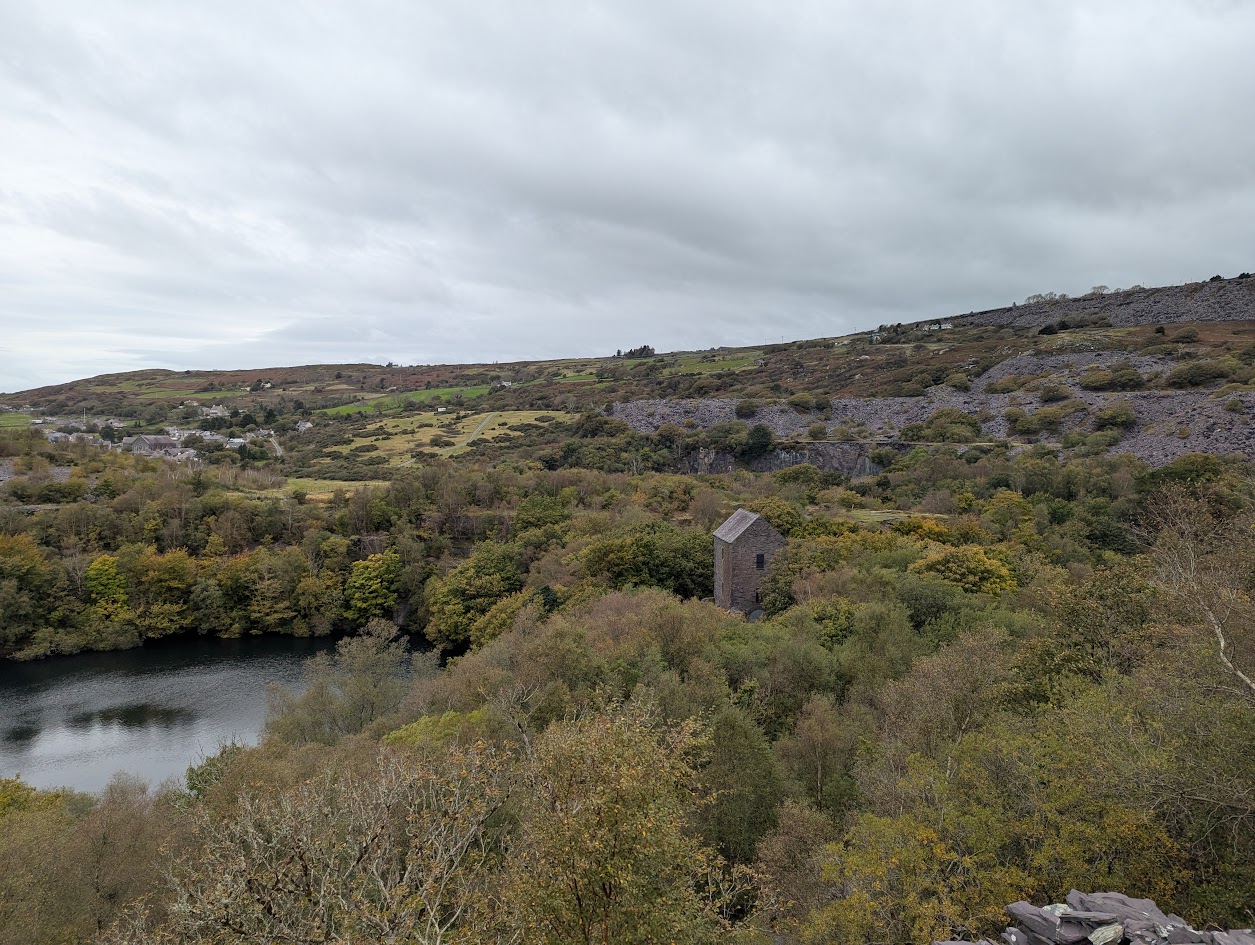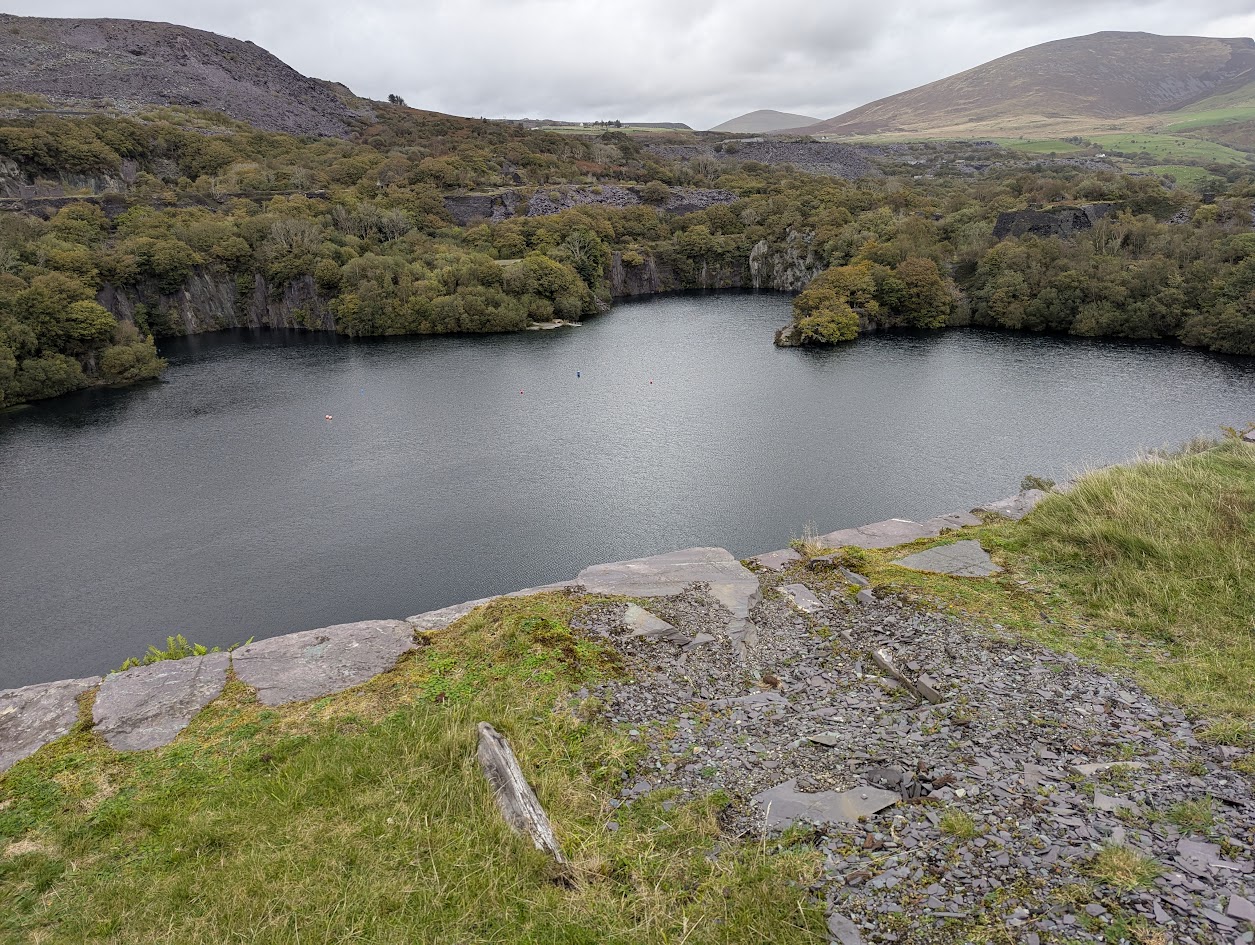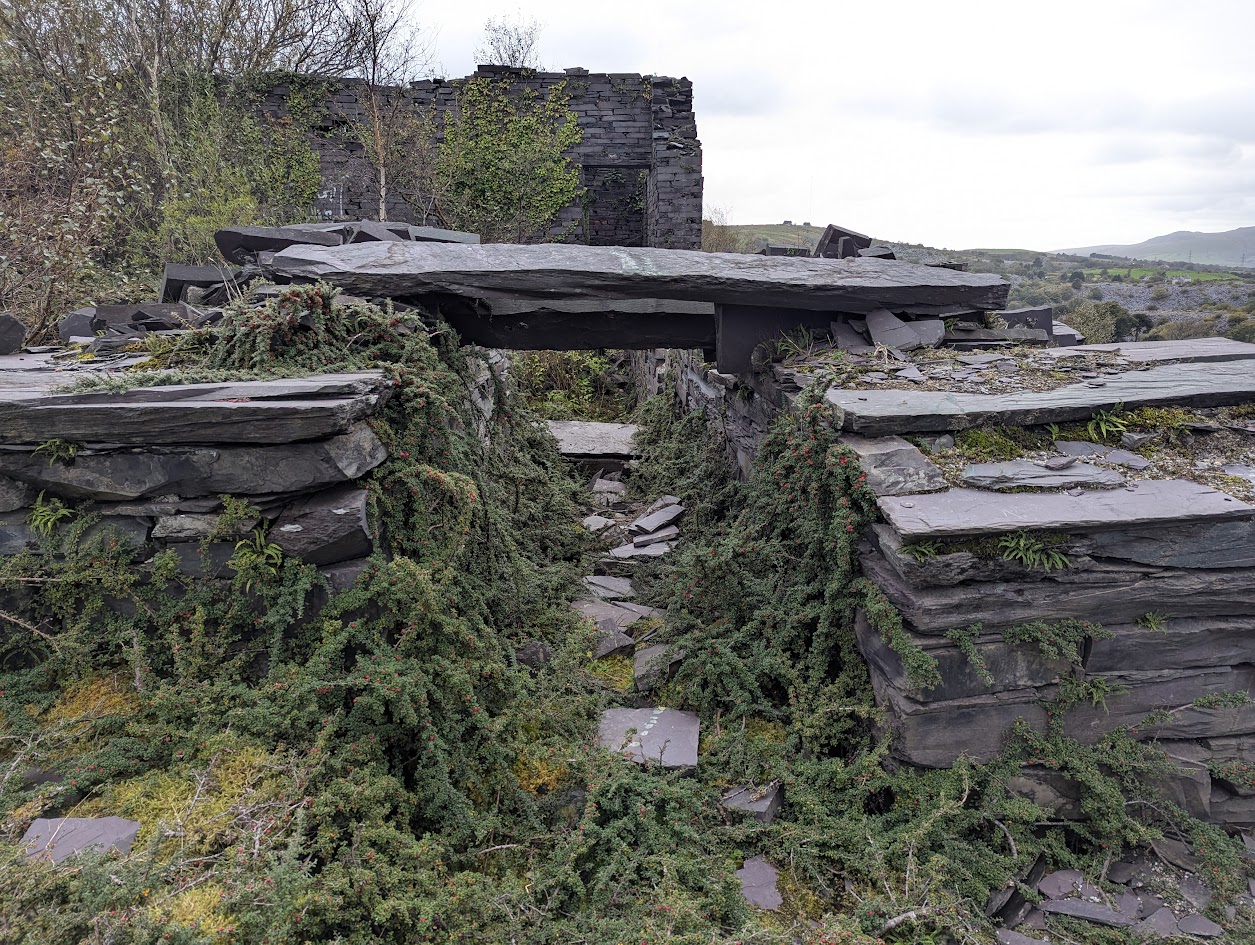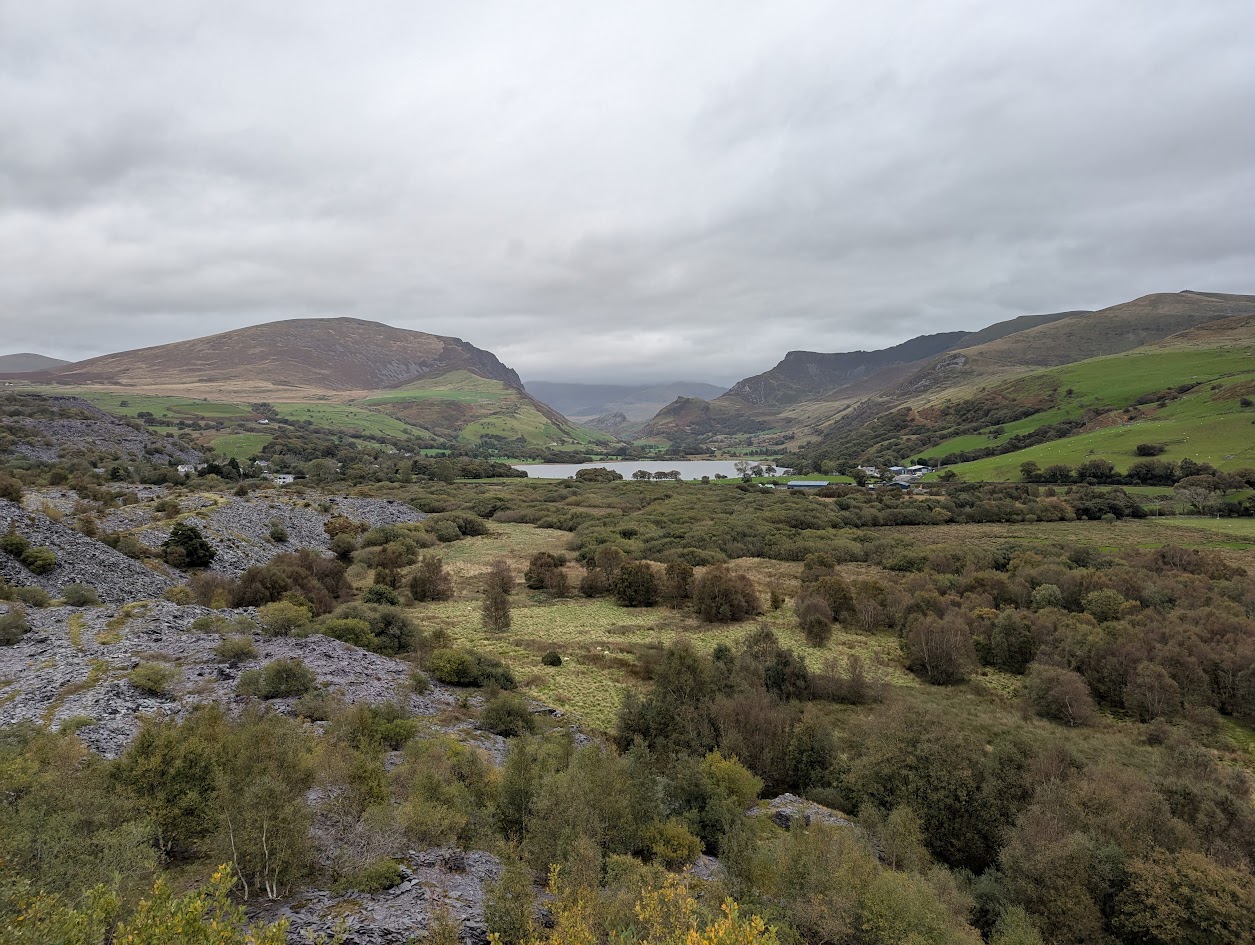



The site is dominated by a lake formed from the flooded workings, creating the impression of a single vast pit. Waste banks with finely constructed stone inclines and revetments make the landscape visually striking.
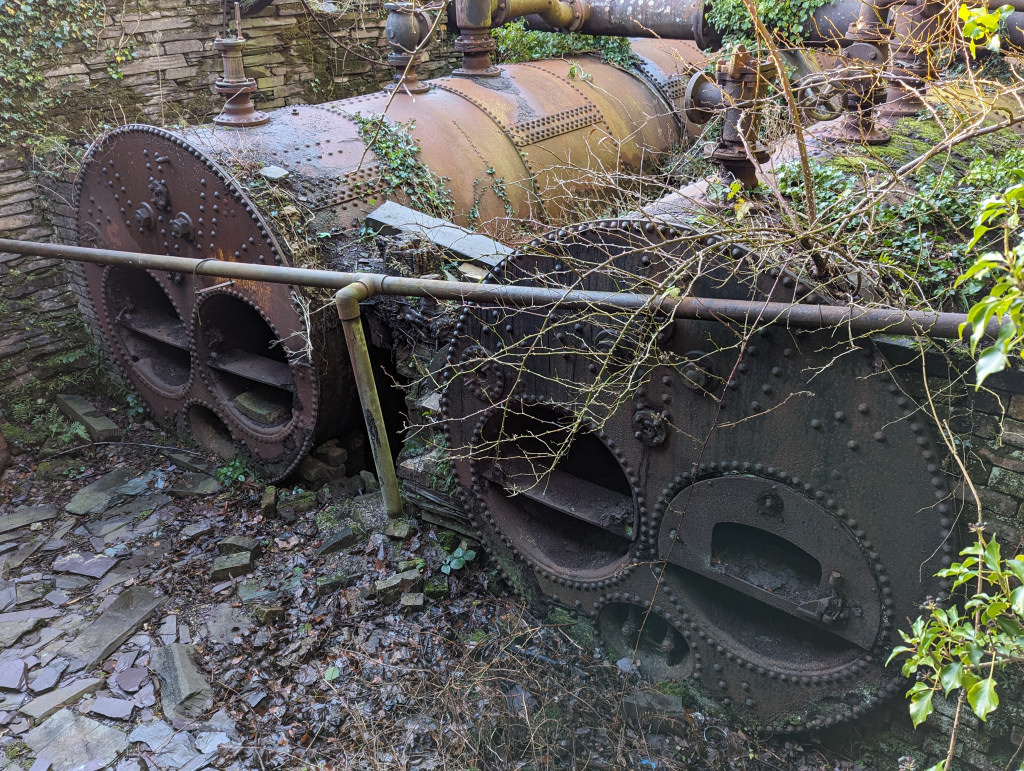
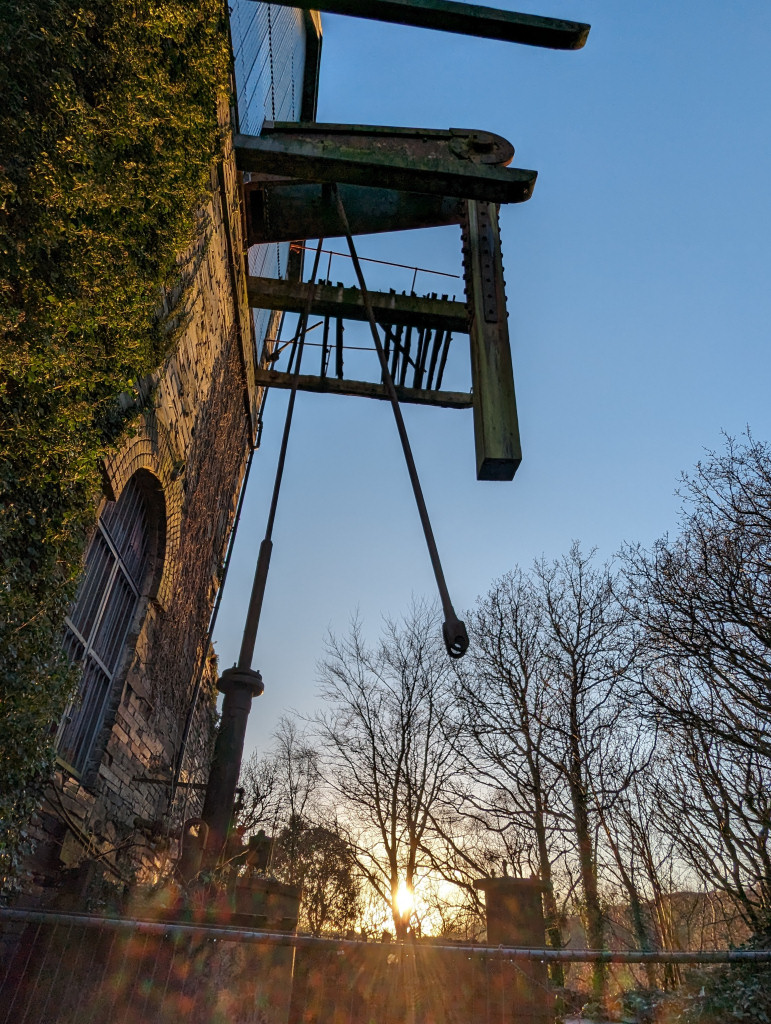
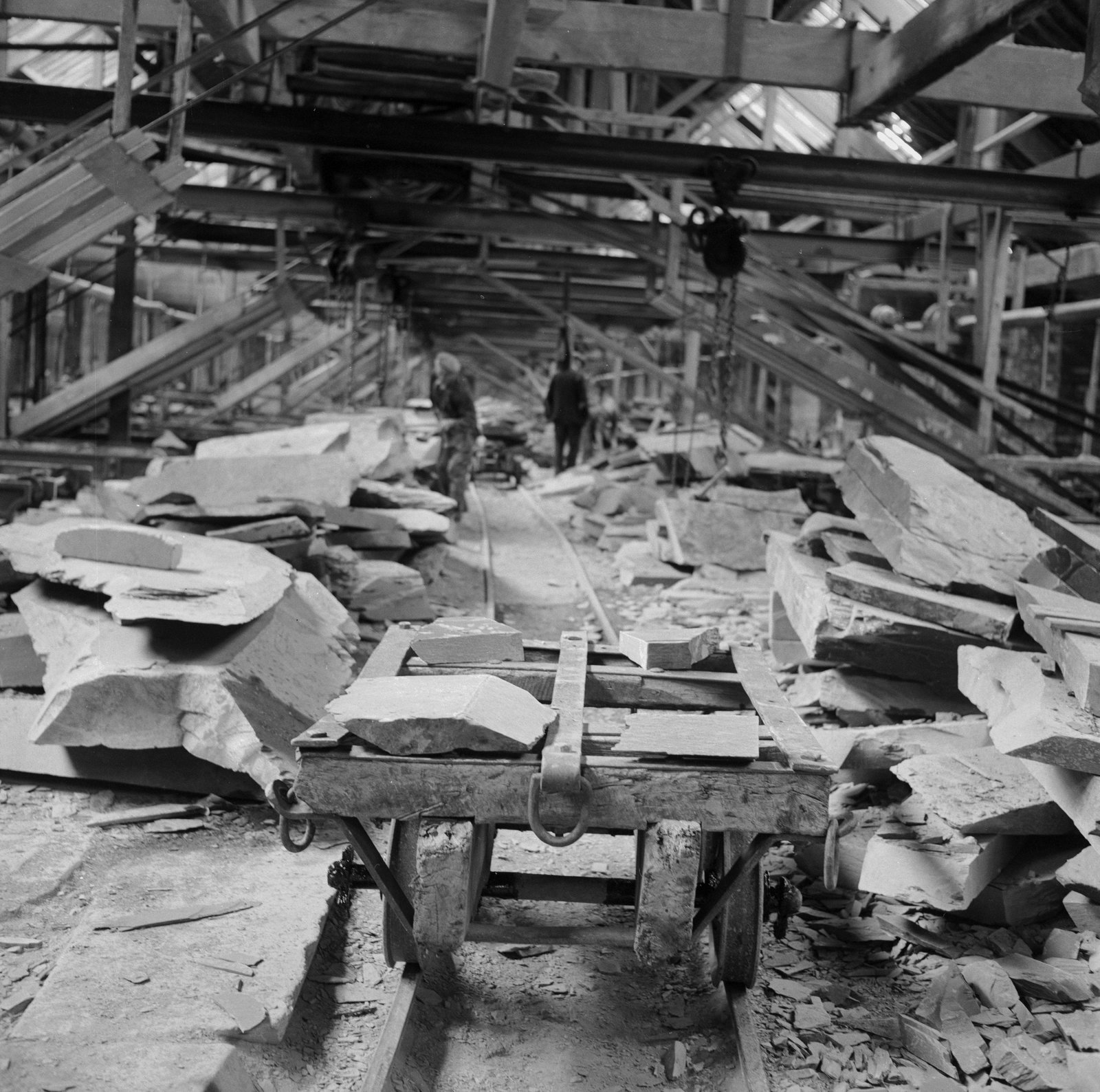
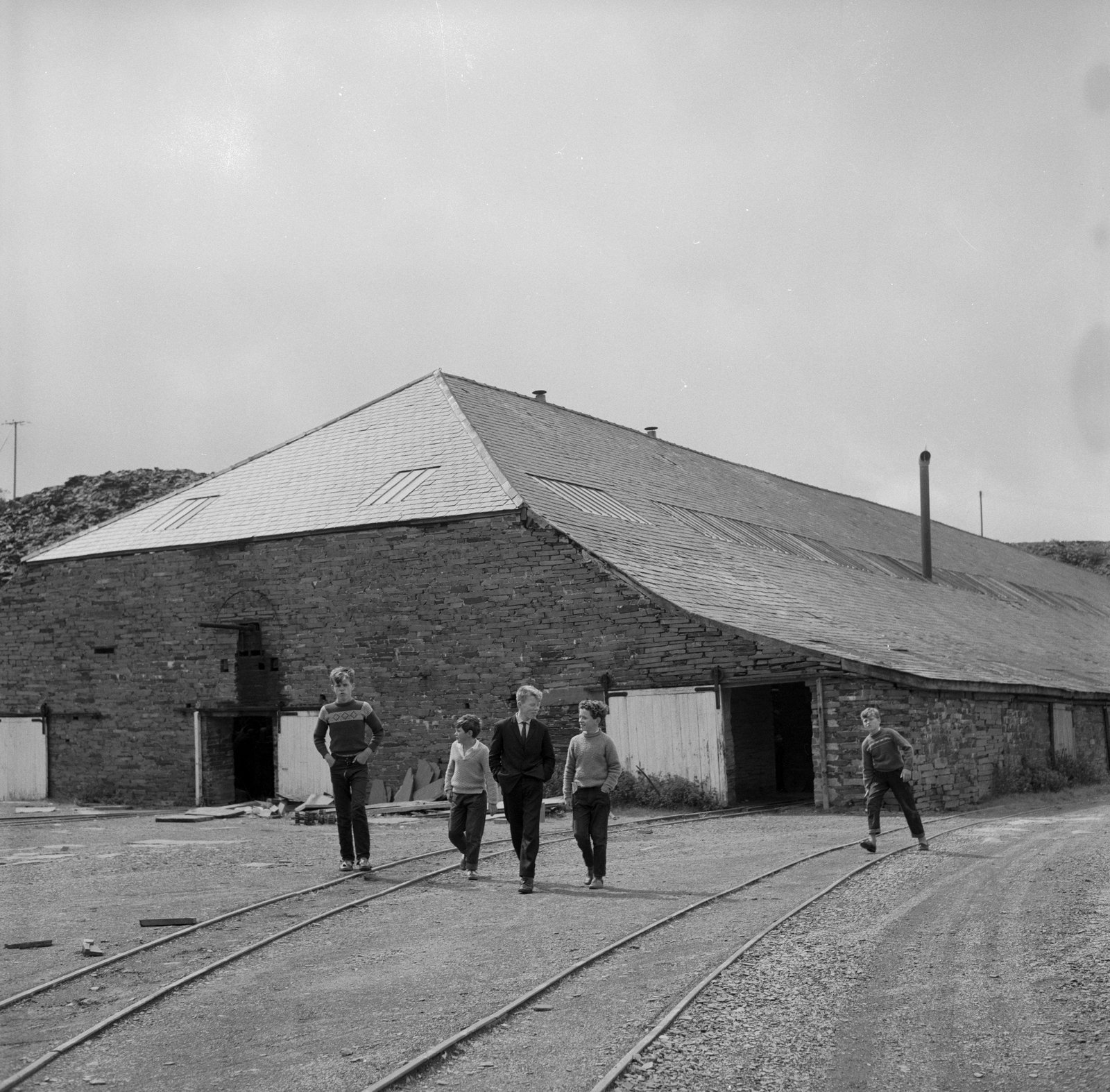
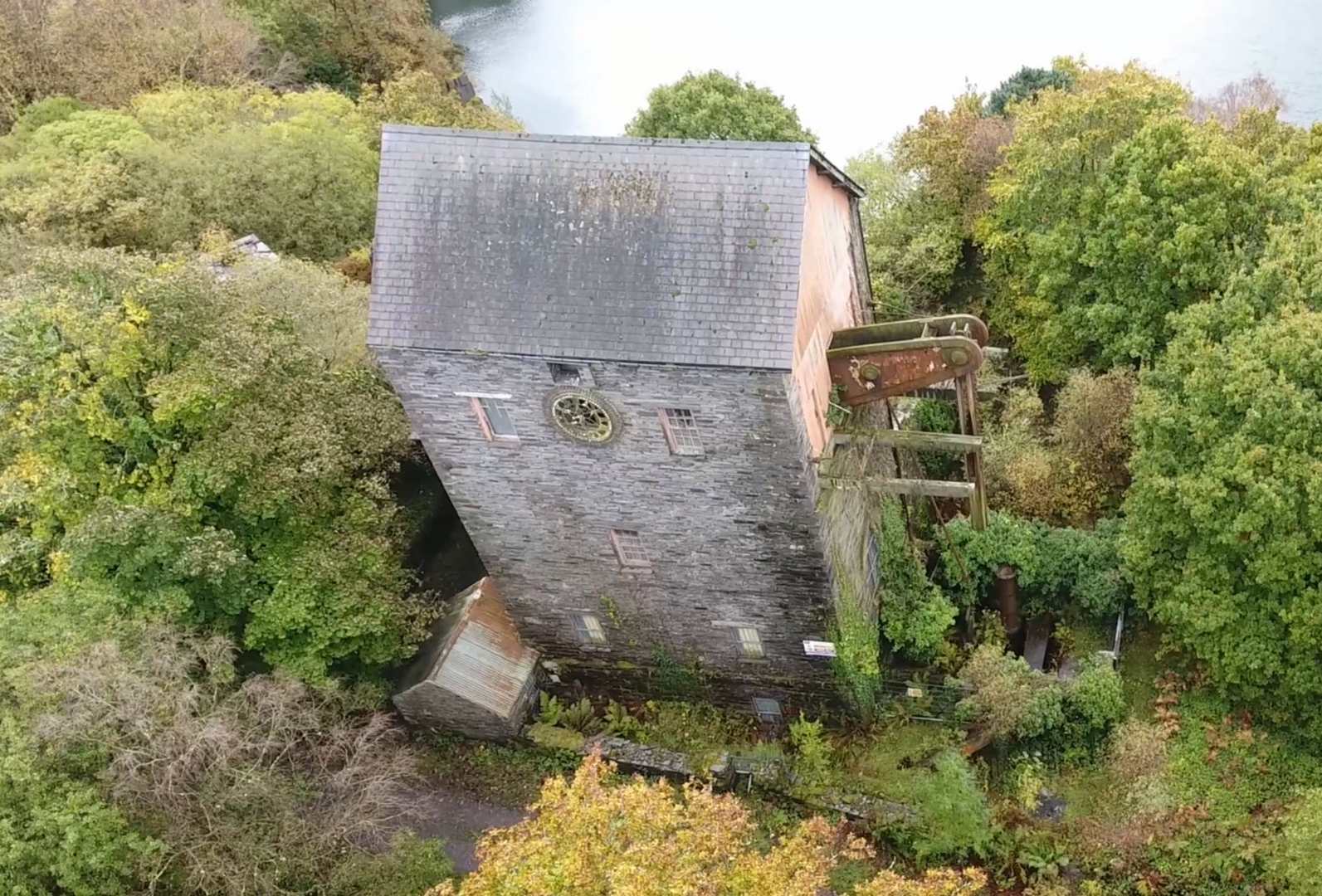
To the south of the lake lie the ruins of the main integrated mill, other buildings, hoist gallows, and haulage structures. The Cornish engine house to the west retains its original engine and boilers.
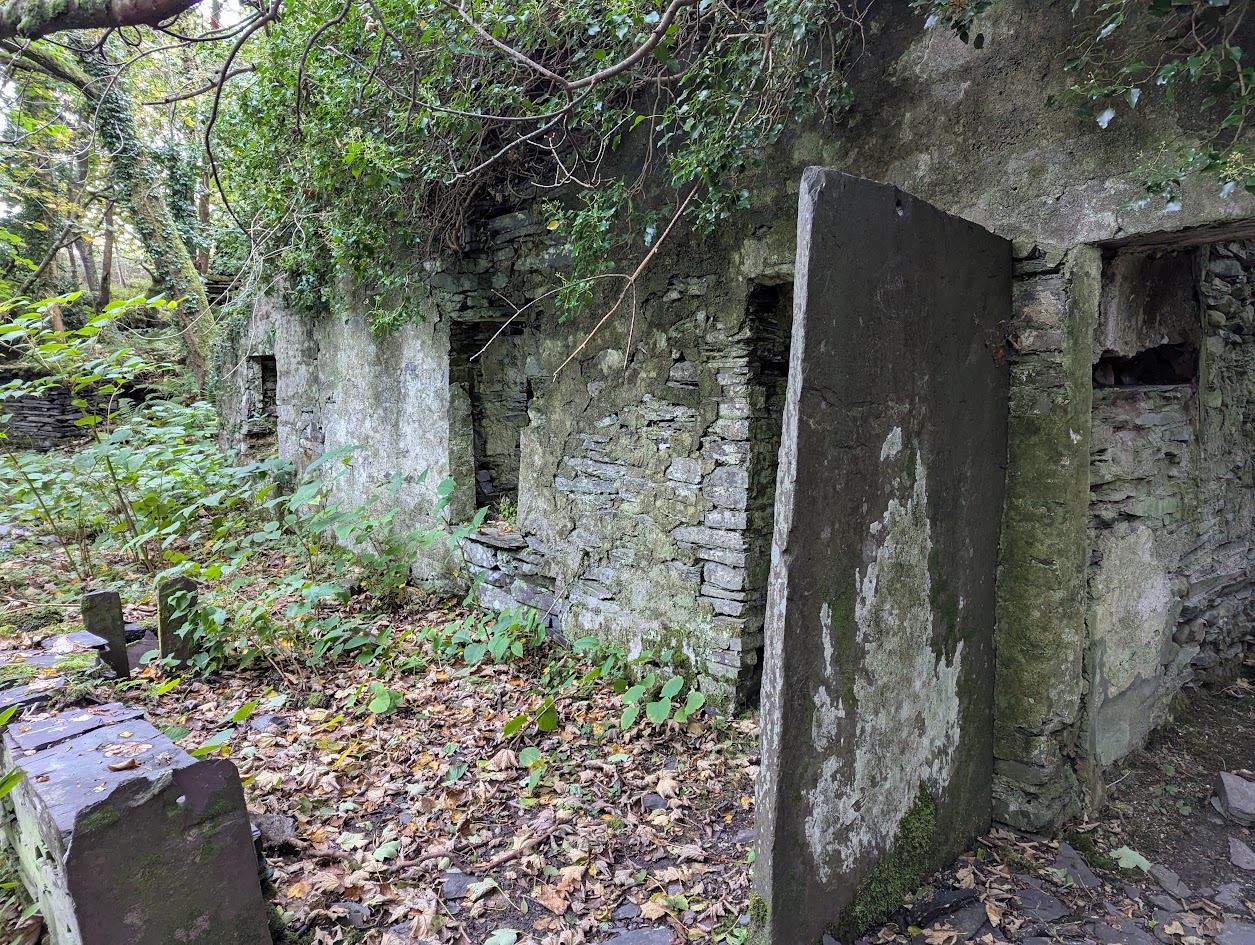
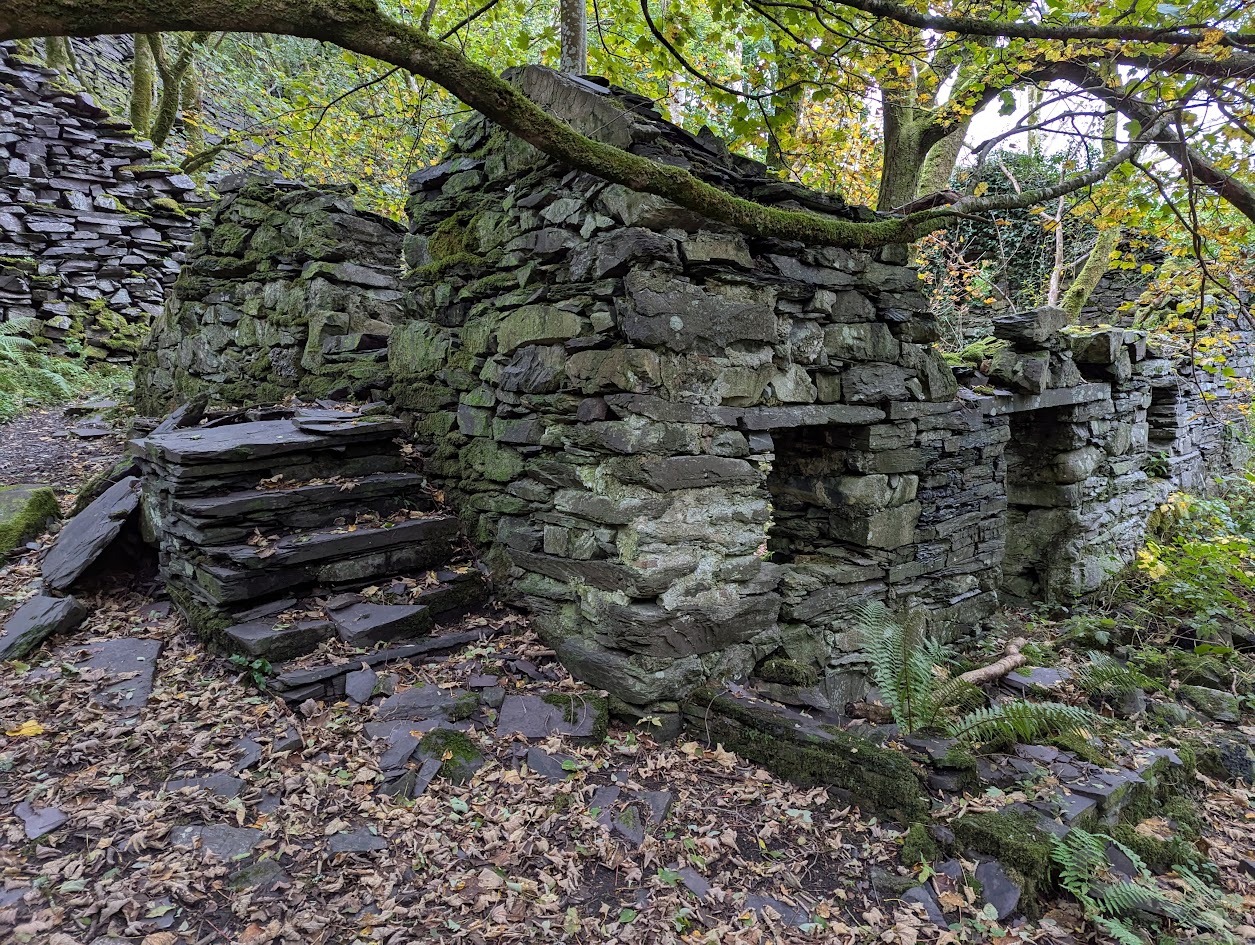
Northeast of the quarry stand remnants of old village buildings, including the Commercial Hotel. On the former Nantlle Railway line, a notable inverted-arch retaining buttress can be found, with a flight of cantilevered steps nearby.
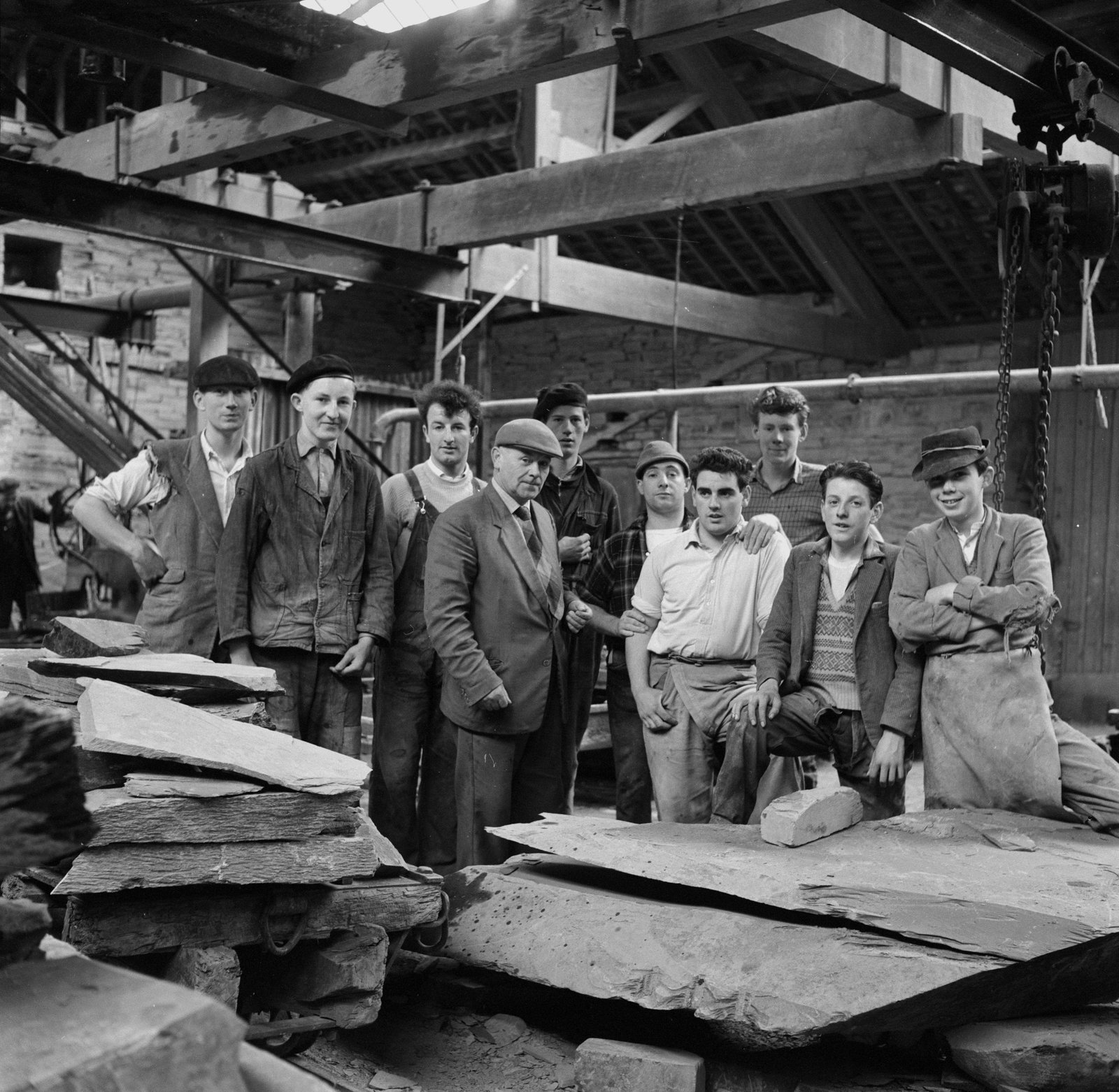
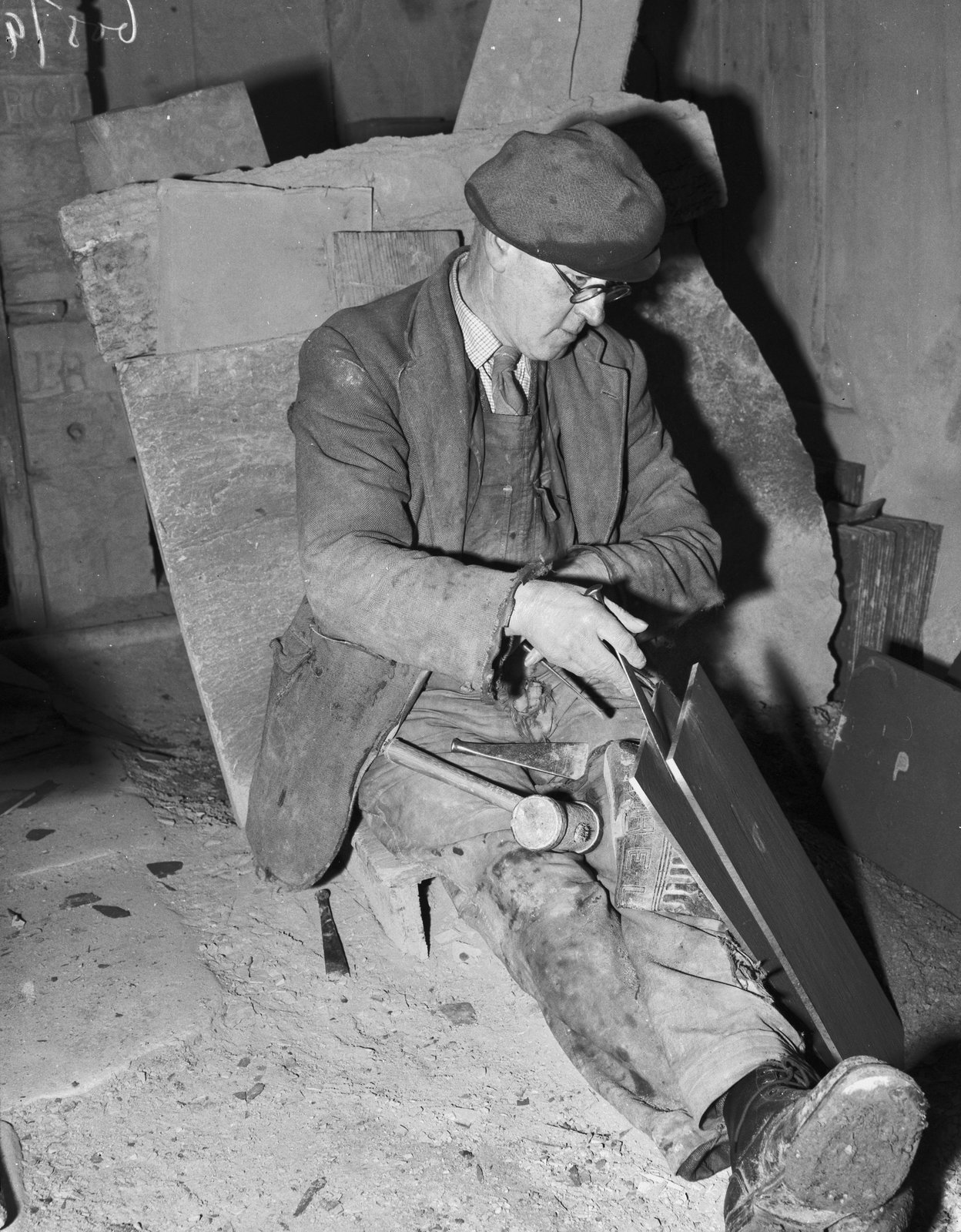
Opened in 1820, Dorothea rapidly became the dominant slate quarry in the area. By 1848 it employed 200 men, producing over 5,000 tons annually; by 1882 this had grown to 533 workers extracting 16,598 tons per year. The operation eventually encompassed six pits, the last sunk in 1891. It remained profitable throughout the nineteenth and early twentieth centuries—unusual for a quarry without land ownership—except when persistent flooding reduced earnings.
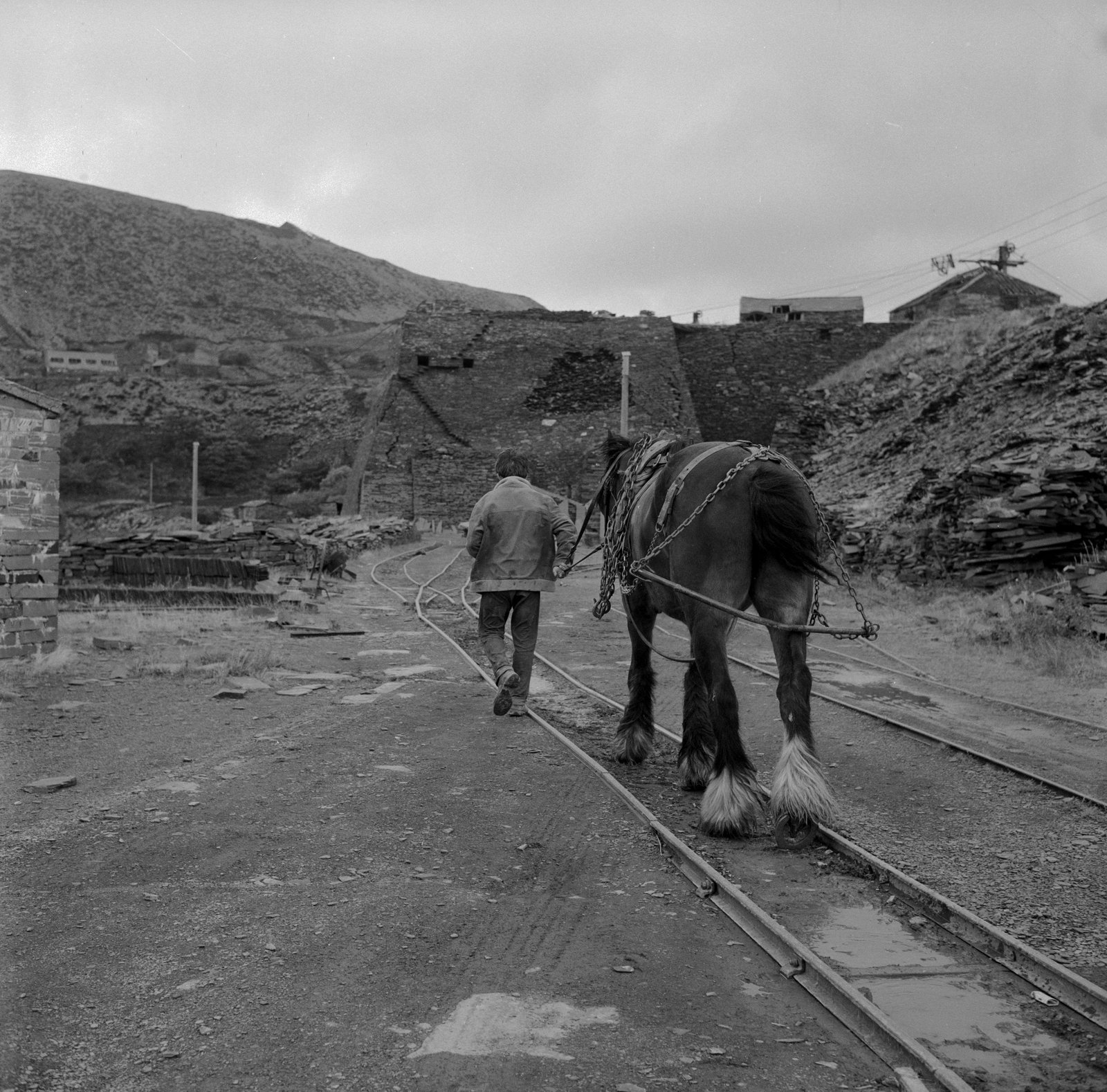
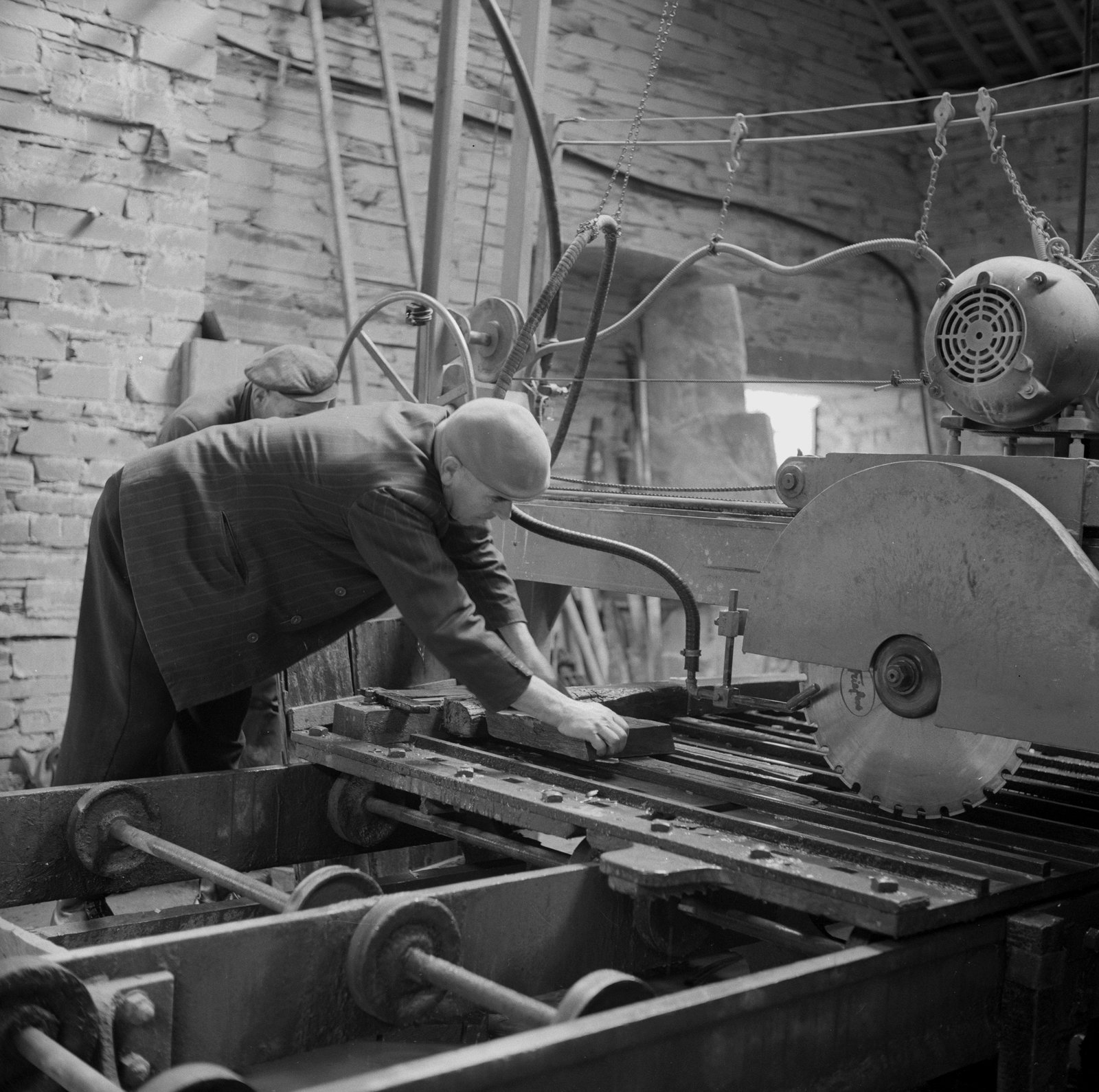
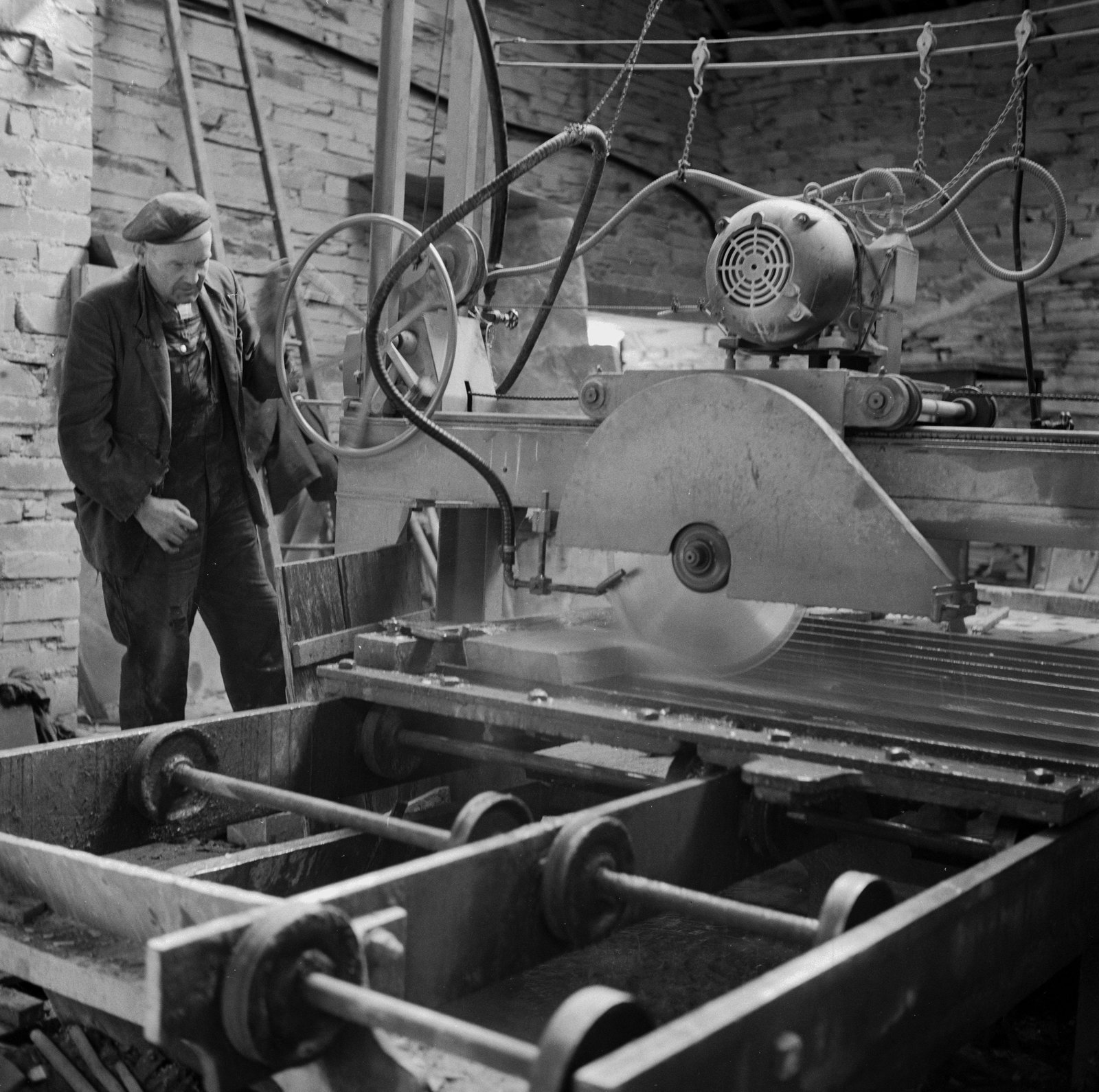
At least eight waterwheels provided power for pumping, haulage, and milling. Steam power arrived in 1841 to drive the first of eight chain inclines (including two double and one triple), replacing earlier horse whims and hand-worked turntrees. Additional powered ramp inclines handled waste, while De Winton steam locomotives appeared in 1869.
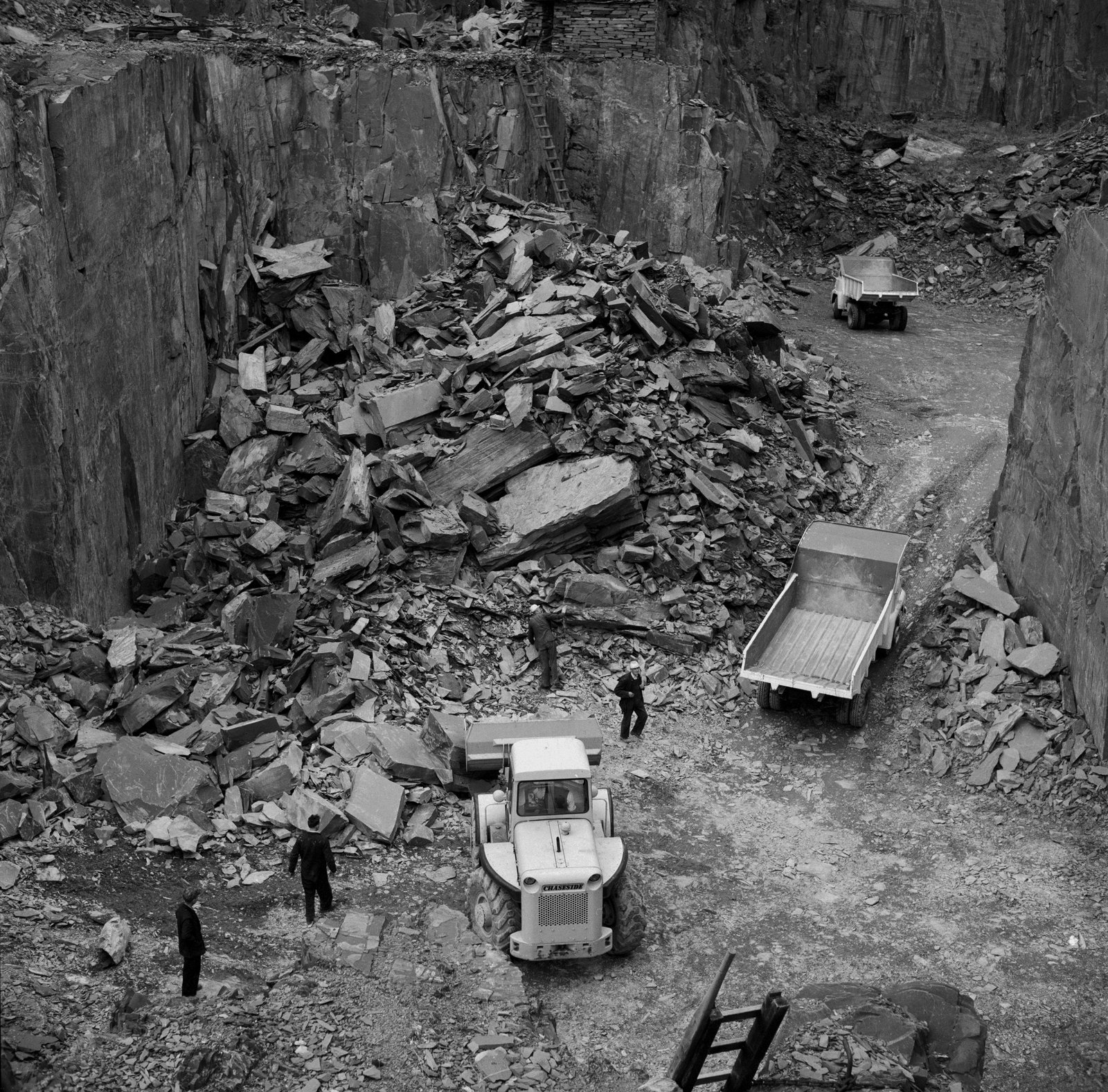
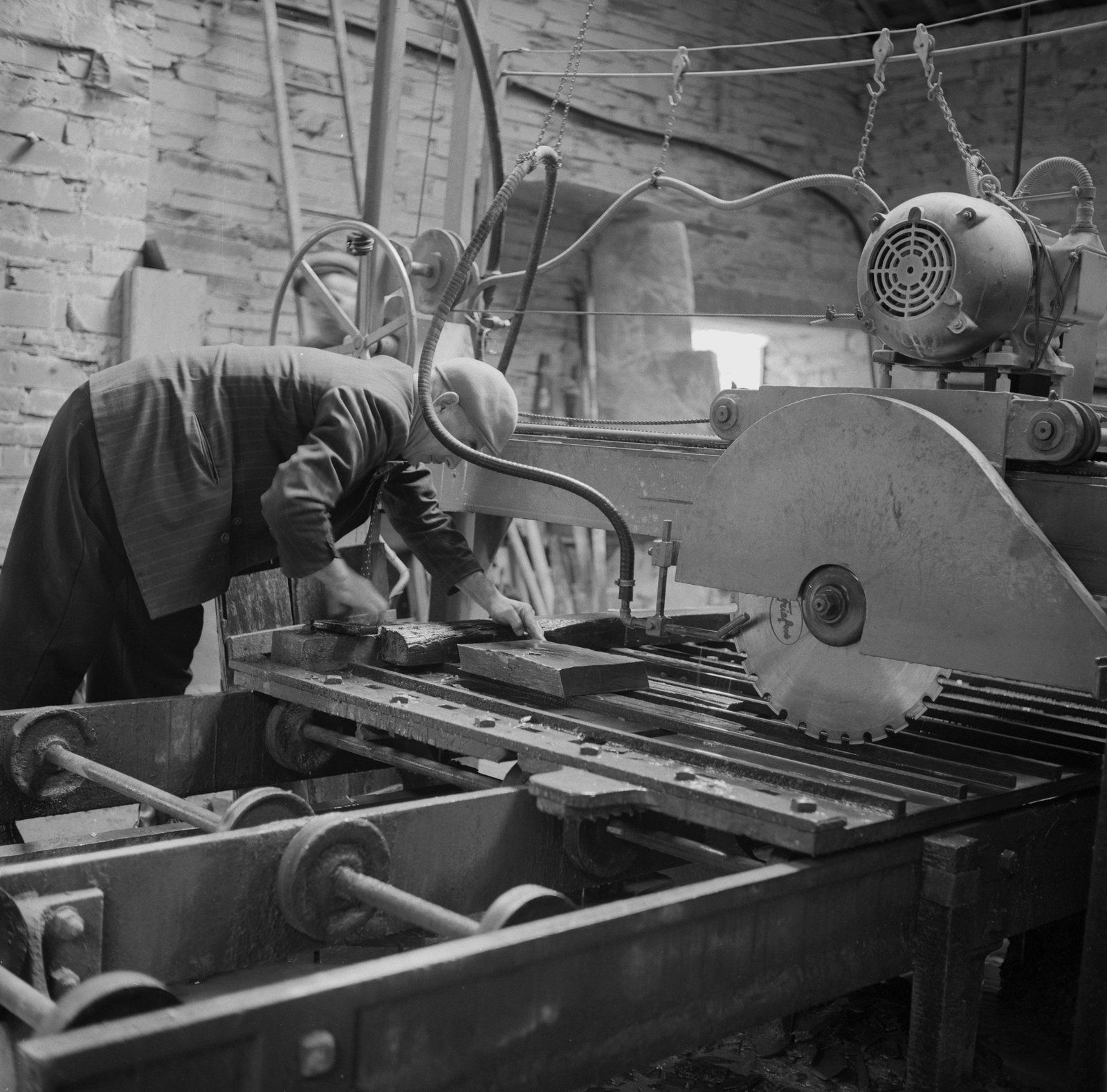
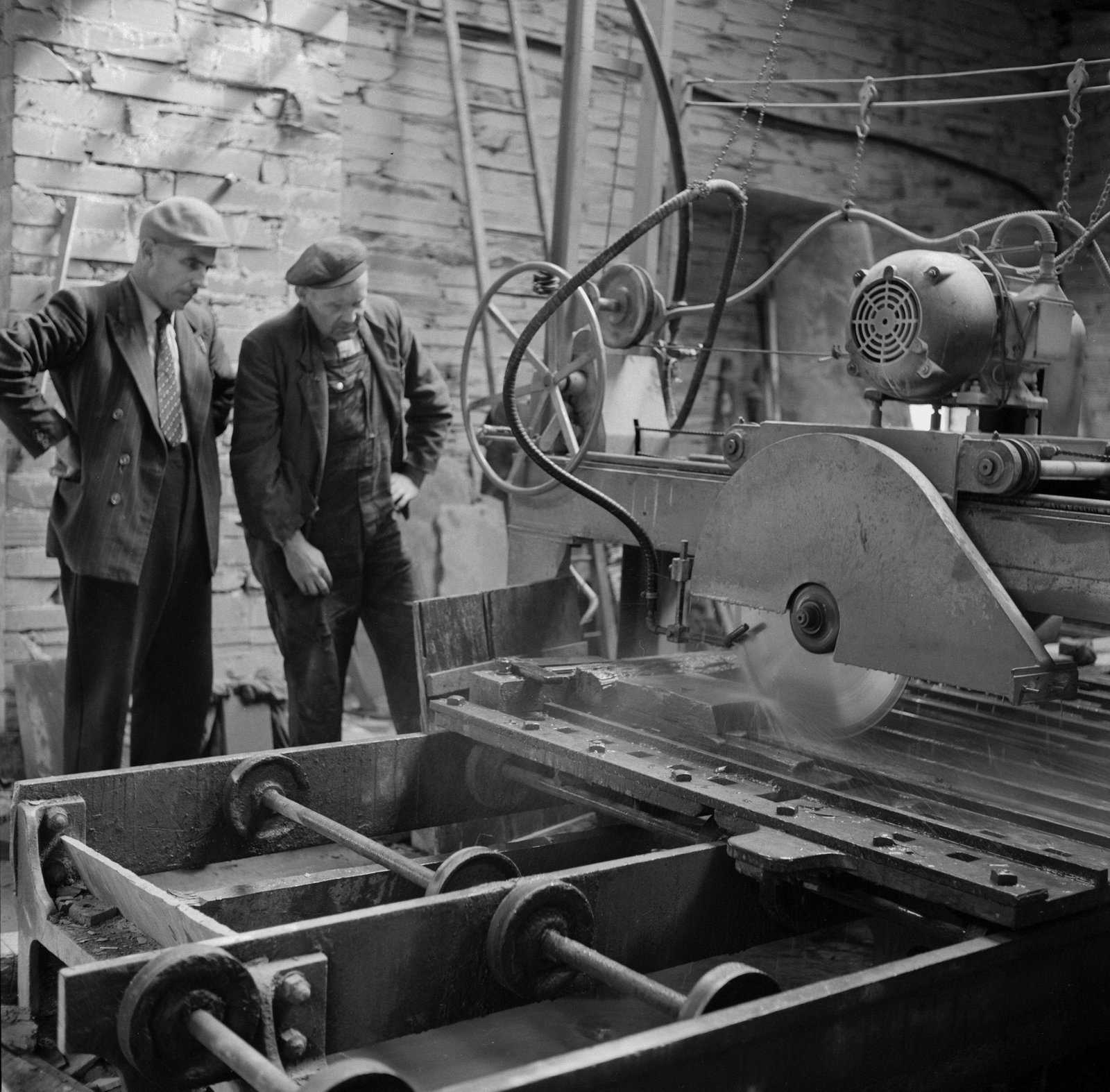
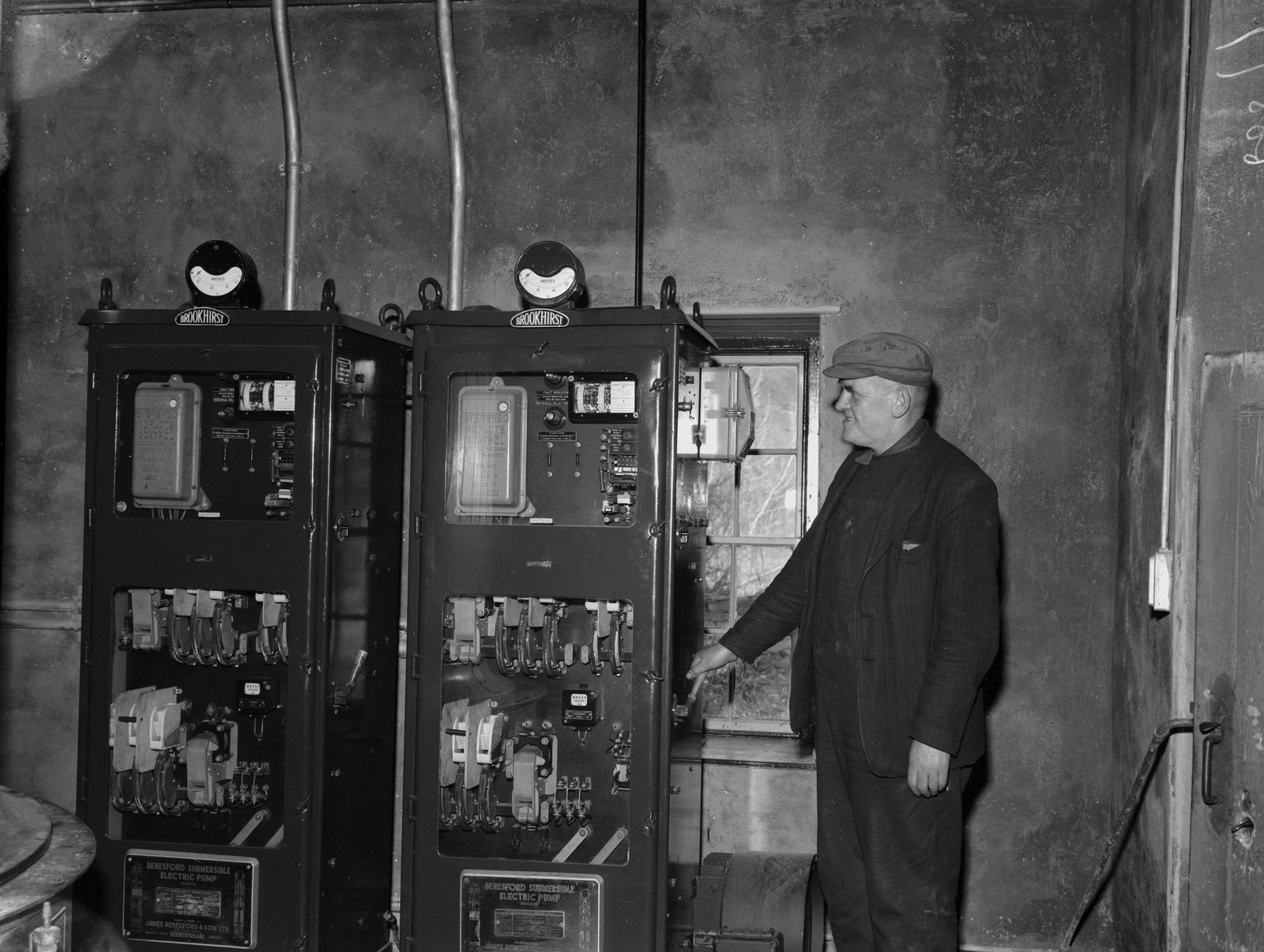
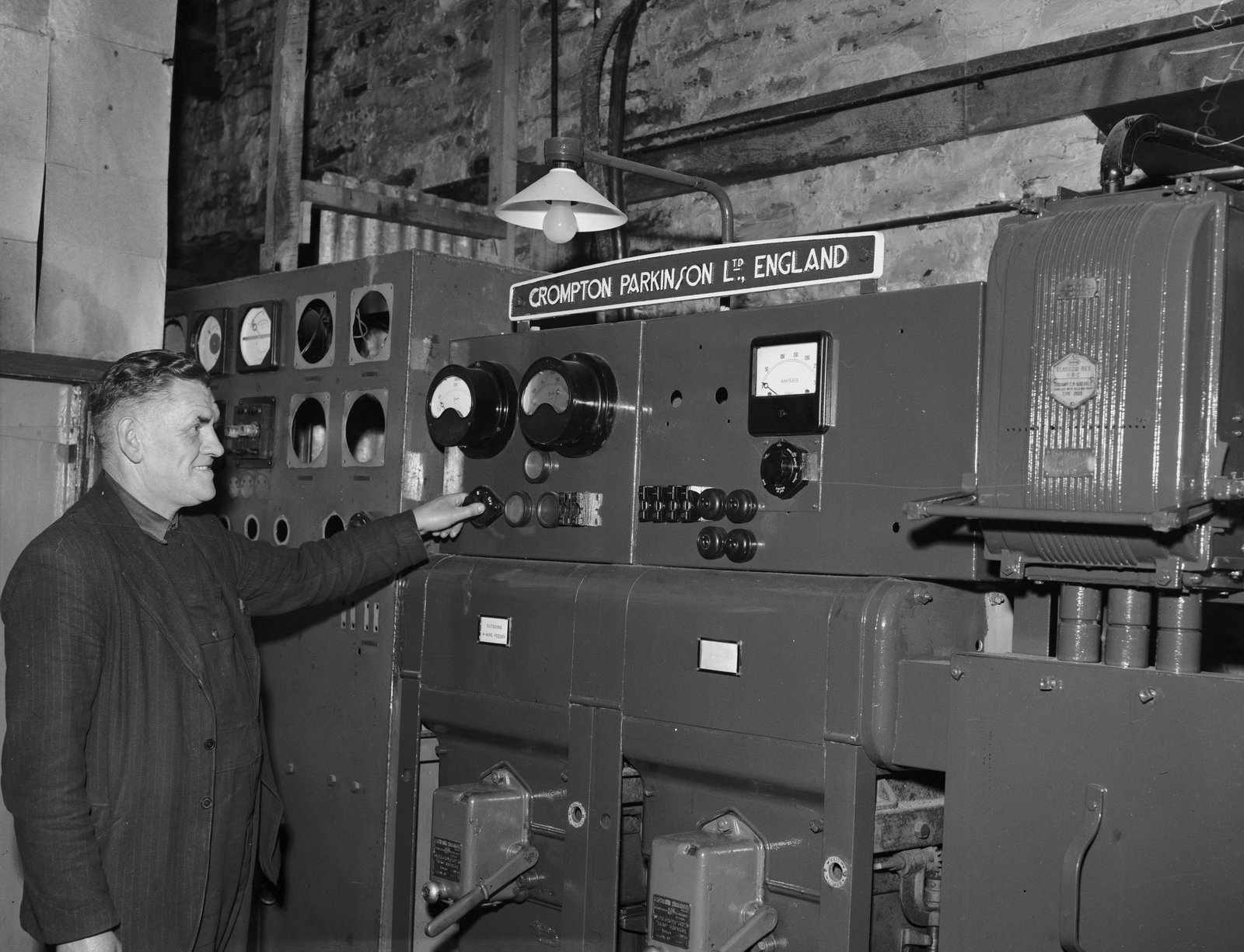
The first of four steam-powered Blondins was erected on the spoil banks in 1900; these were electrified in 1959 and operated until 1965, when a road to the pit bottom was constructed. By the twentieth century, eight mills housed 66 saws. A large Cornish beam engine installed in 1906 pumped the pit—then 550 feet deep—until replaced by electric pumps in 1951. Most of the slate waste had to be uphauled to be deposited on the vast tips to the east.
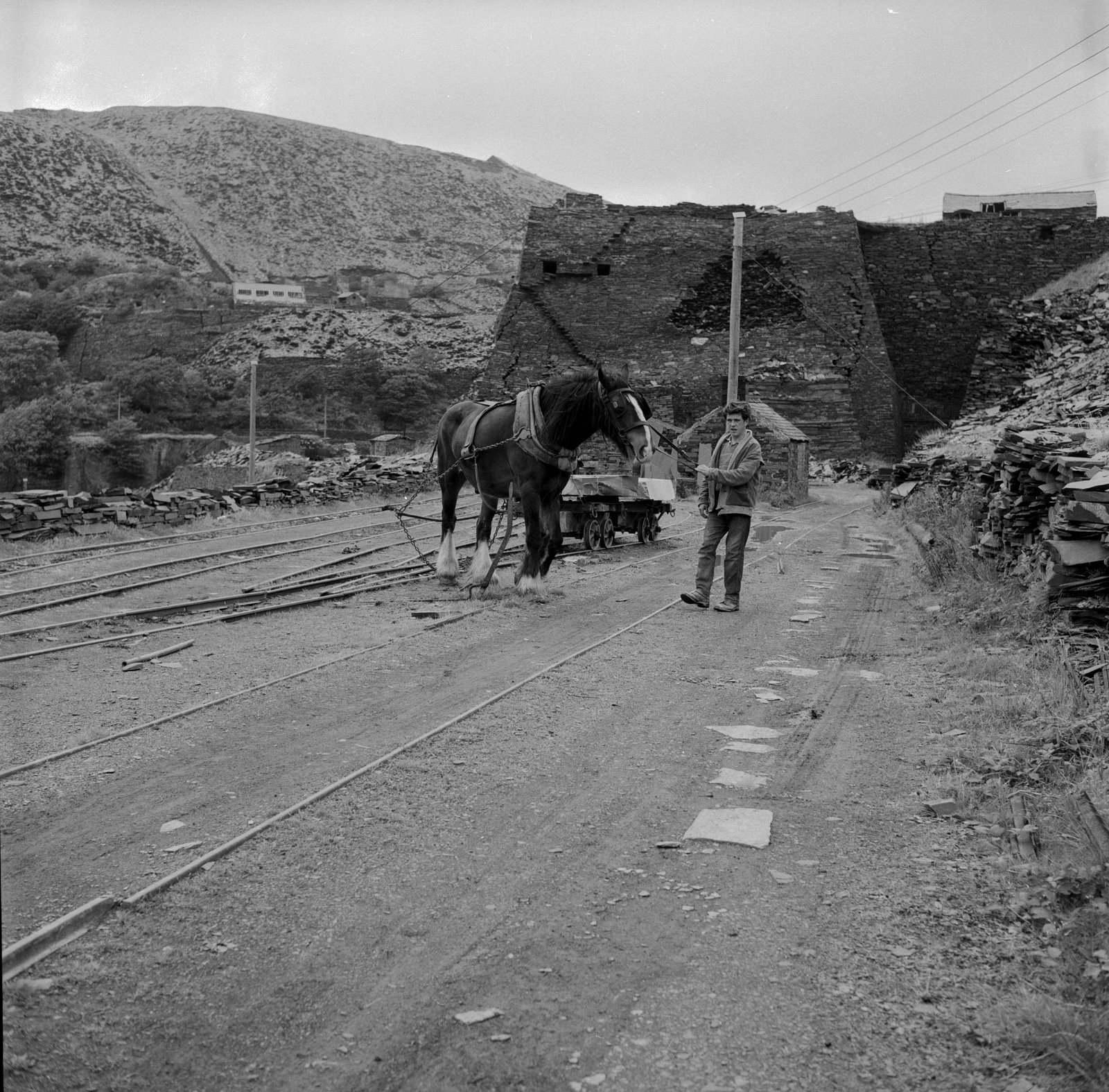
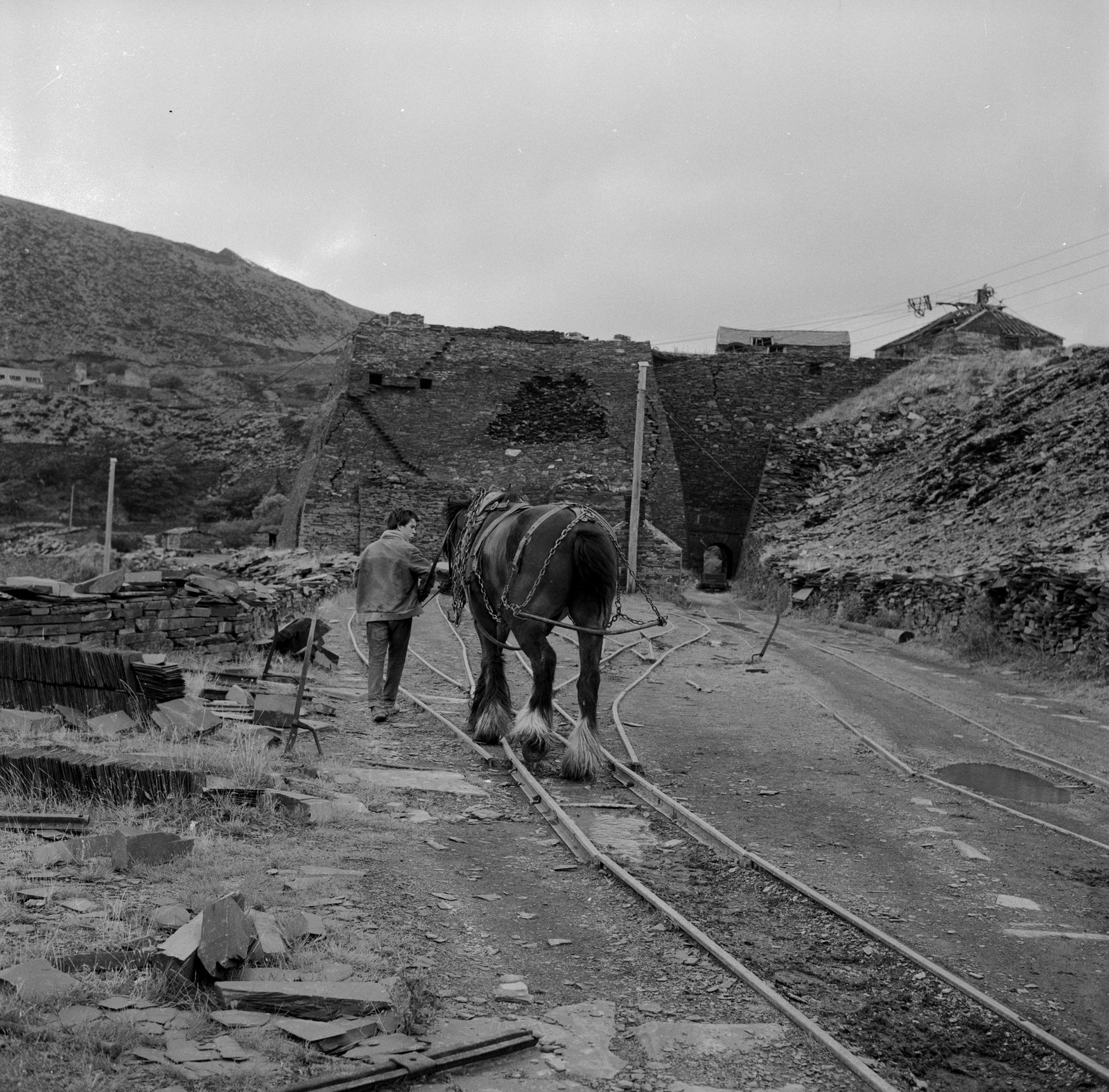
Expansion of the quarry consumed the old Talysarn village, repurposing some buildings, and forced the Nantlle Railway to be rerouted northward. Extensive locomotive-powered rail systems operated both at ground level and atop waste banks, using 2-foot and 3-foot-6-inch gauges; some wagons had double-flanged wheels to accommodate either gauge. Final closure came in 1968.
External Links
Publications (23)
- (1984); WMS Newsletter Issue 10 Jun; 3 pages
- (1987); WMS Newsletter Issue 17 Dec; 5 pages
- (1988); WMS Newsletter Issue 19 Dec; 6 pages
- (1991); CATMHS - Newsletter 031-November; 31 pages
- (1998); WMS Newsletter Issue 39 Dec; 8 pages
- (1999); WMS Newsletter Issue 41 Nov; 16 pages
- (2000); WMS Newsletter Issue 43 Oct; 16 pages
- (2001); WMS Newsletter Issue 44 Apr; 10 pages
- (2001); WMS Newsletter Issue 45 Dec; 14 pages
- (2002); CATMHS - Newsletter 067-April; 32 pages
- (2002); WMS Newsletter Issue 47 Oct; 28 pages
- (2003); WMS Newsletter Issue 48 Apr; 32 pages
- (2004); WMS Newsletter Issue 51 Winter; 32 pages
- (2010); WMS Newsletter Issue 62 Spring; 44 pages
- (2014); WMS Newsletter Issue 70 Spring; 32 pages
- (2014); WMS Newsletter Issue 71 Winter; 32 pages
- Gwyn, David, (2015); Welsh Slate: archaeology and history of an industry; Royal Commission on the Ancient and Historical Monuments of Wales; 9781871184518
- Lindsay, Jean (1974); History of the North Wales Slate Industry; David & Charles; pp.318-319; ISBN 0-71536-264-X
- Richards, Alun J. (2013); Slate Quarrying in Wales; Gwasg Carreg Gwalch; ISBN 1-84527-026-6
- Richards, Alun John (1991); Gazeteer of the Welsh Slate Industry, A; Gwasg Carreg Gwalch 978-0863811968
- Richards, Alun John, (1999); The Slate Regions of North and Mid Wales and their Railways; Gwasg Carreg Gwalch; 0863815752
- Welsh Mines Society (Spr 2010); Newsletter 62
- Welsh Mines Society (Spr 2014); Newsletter 70