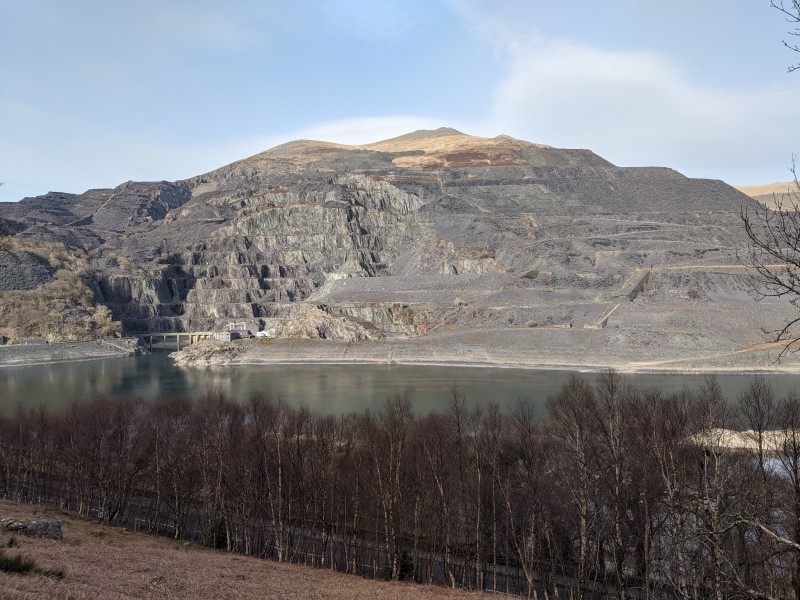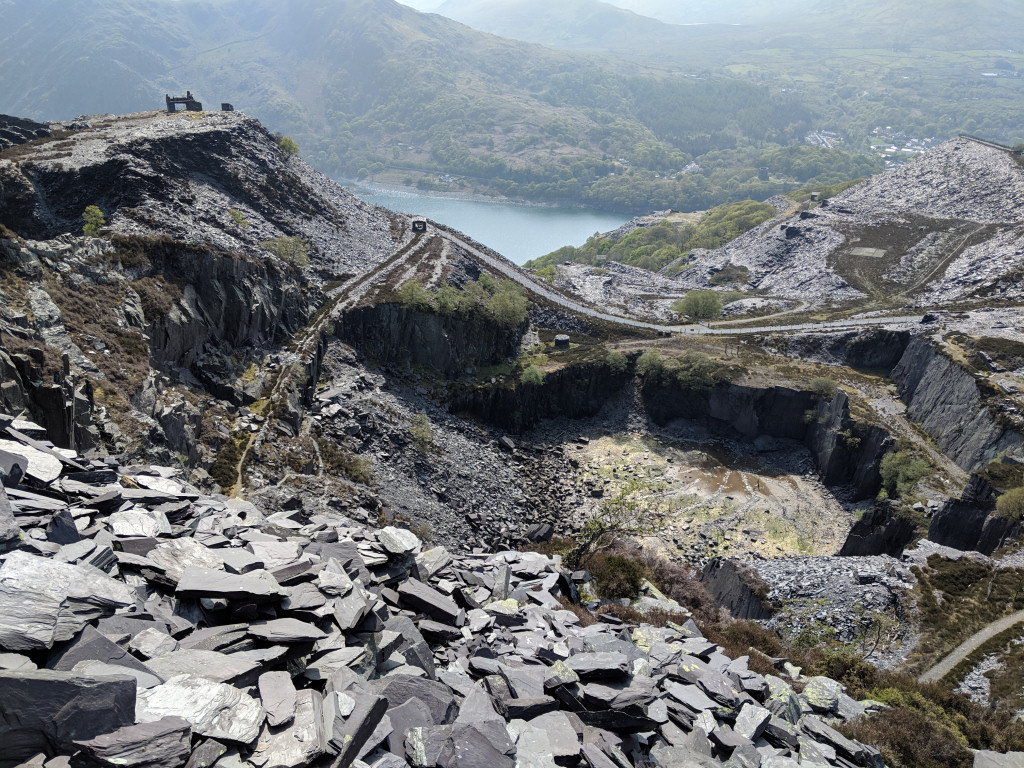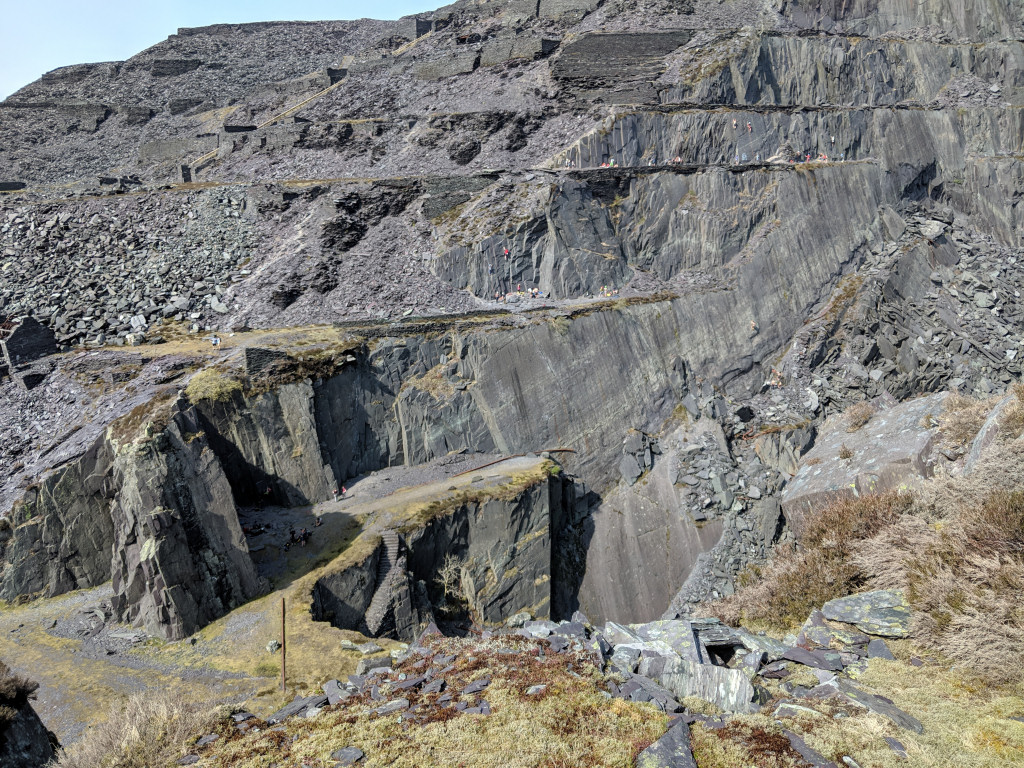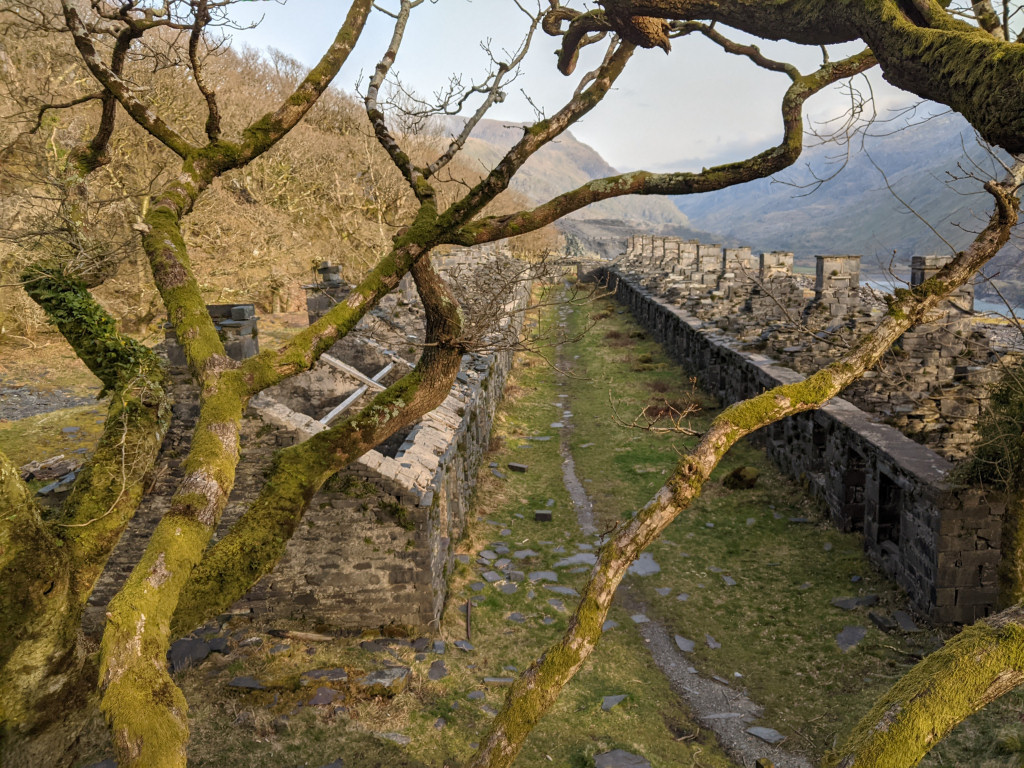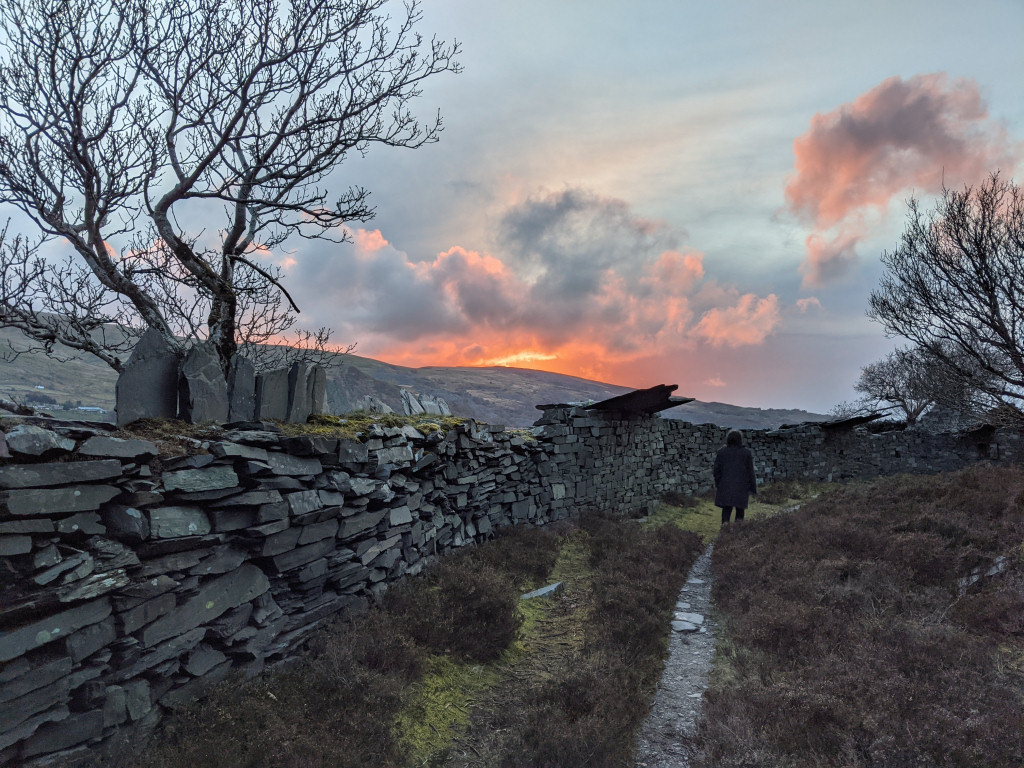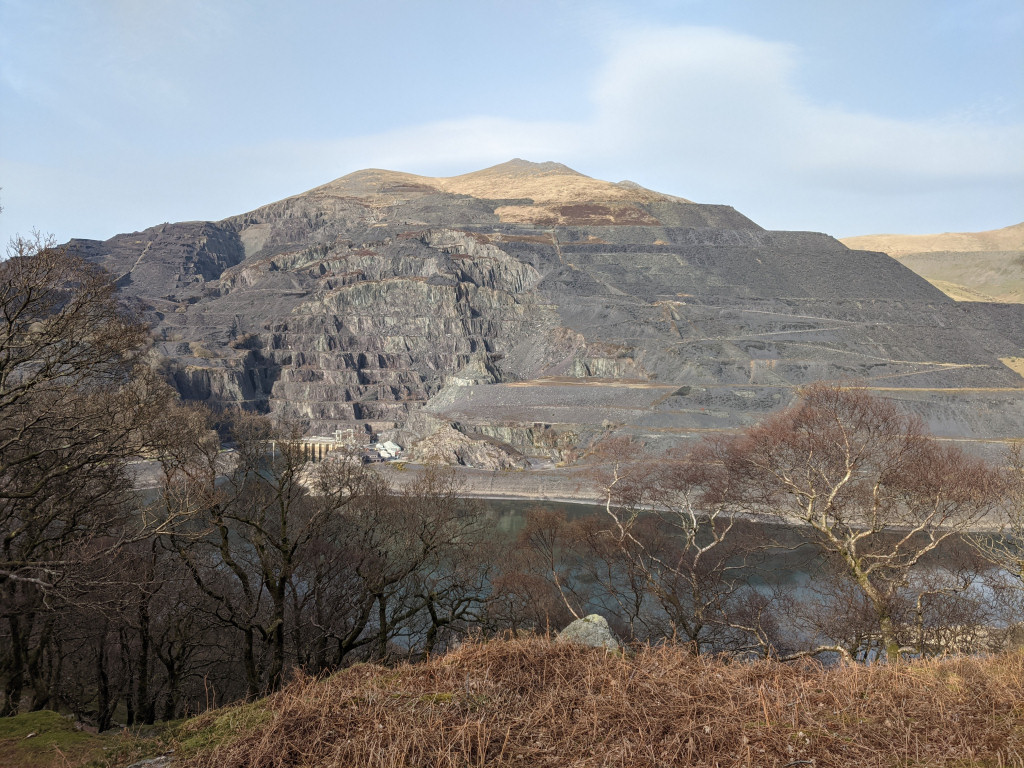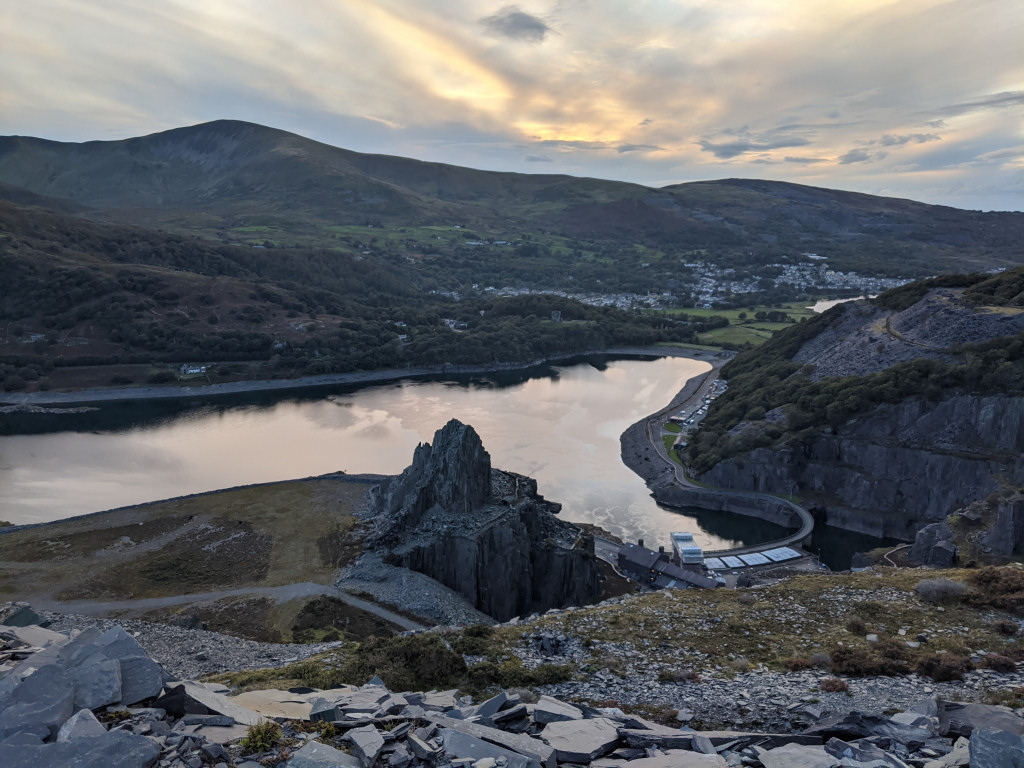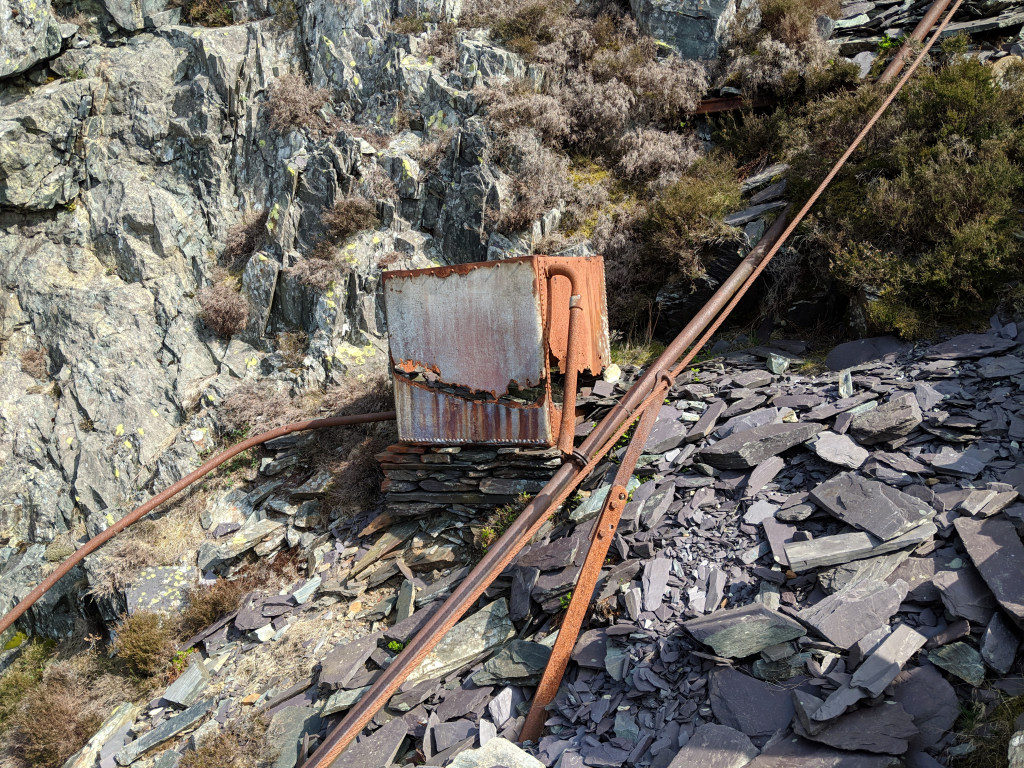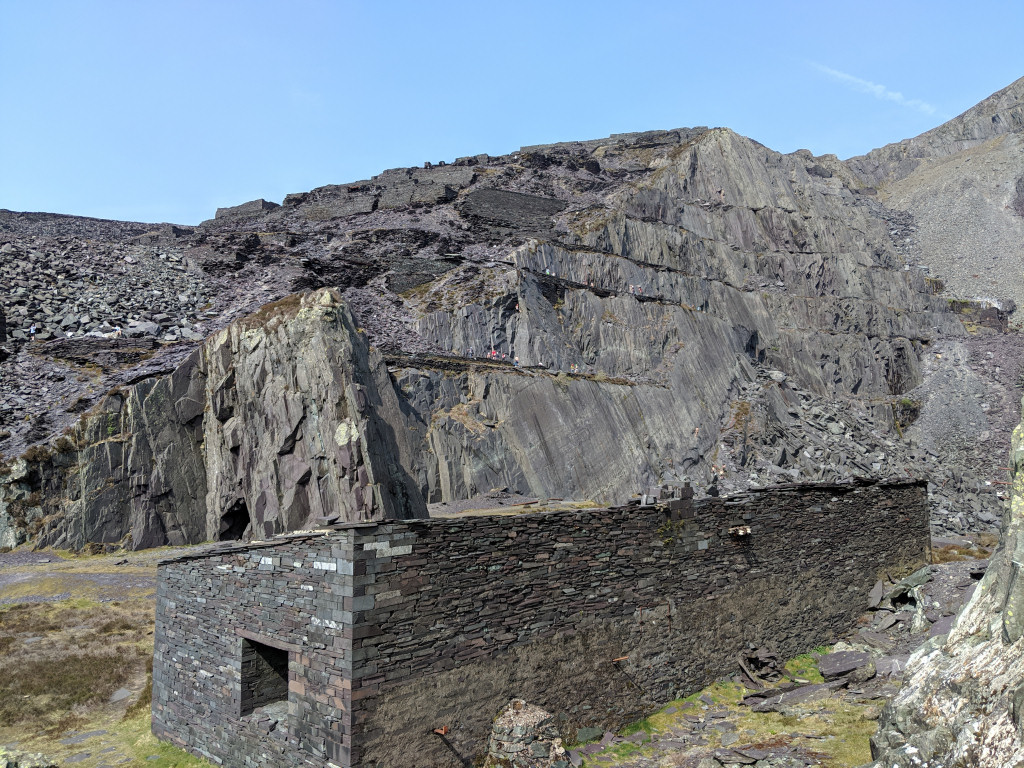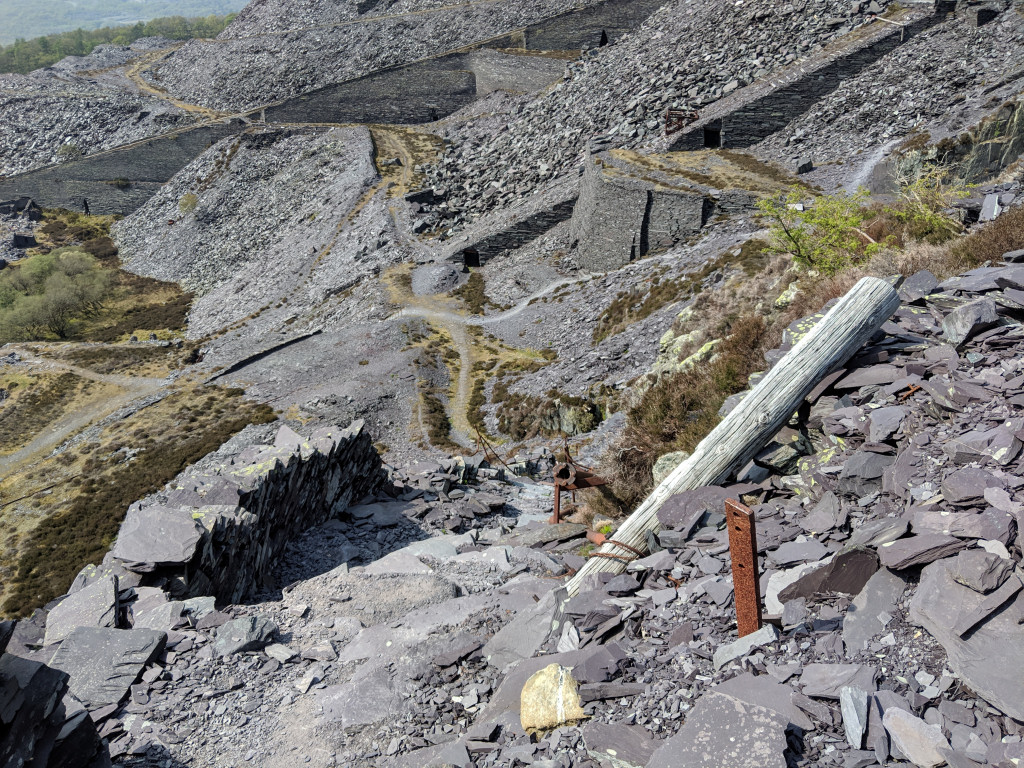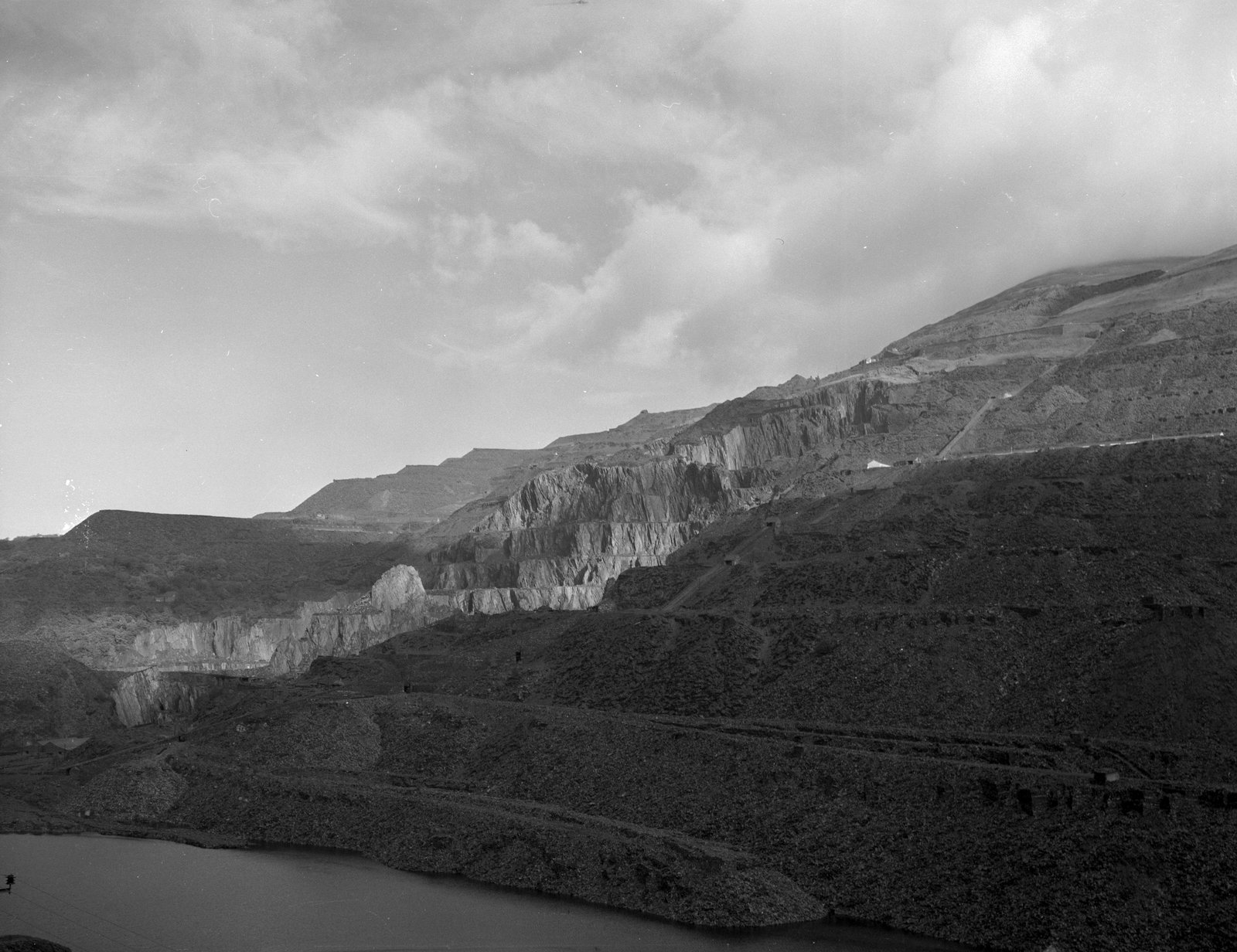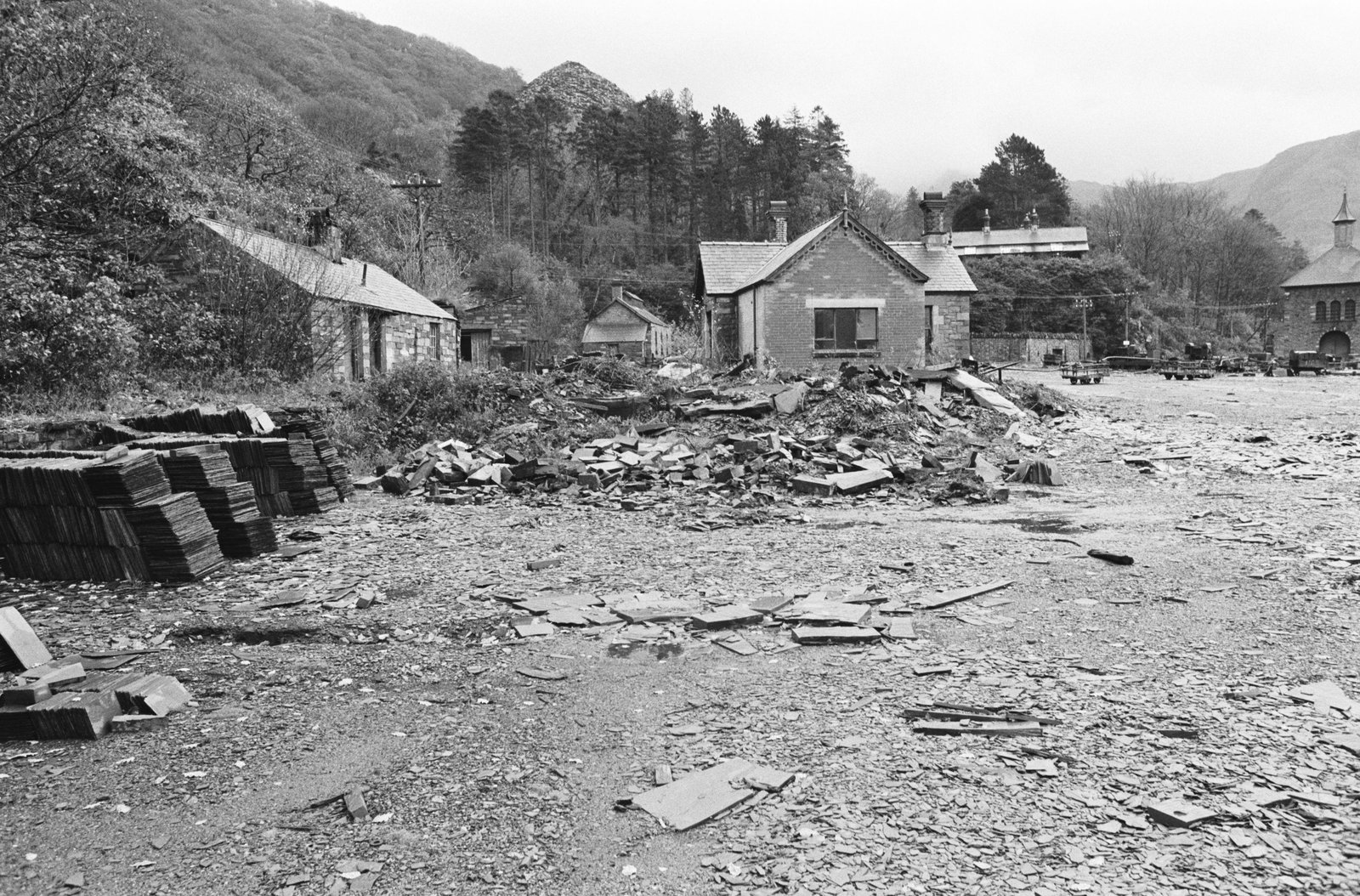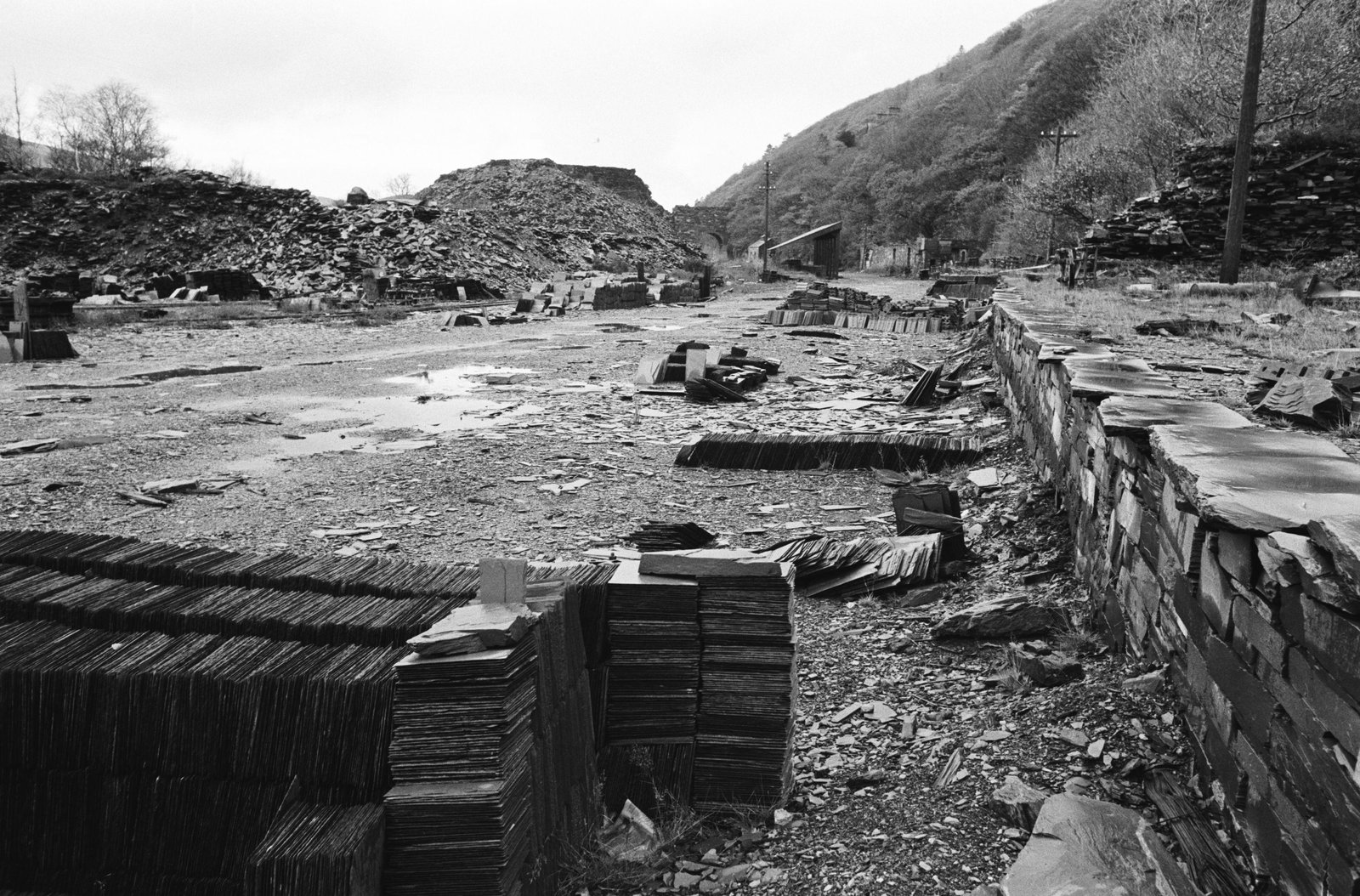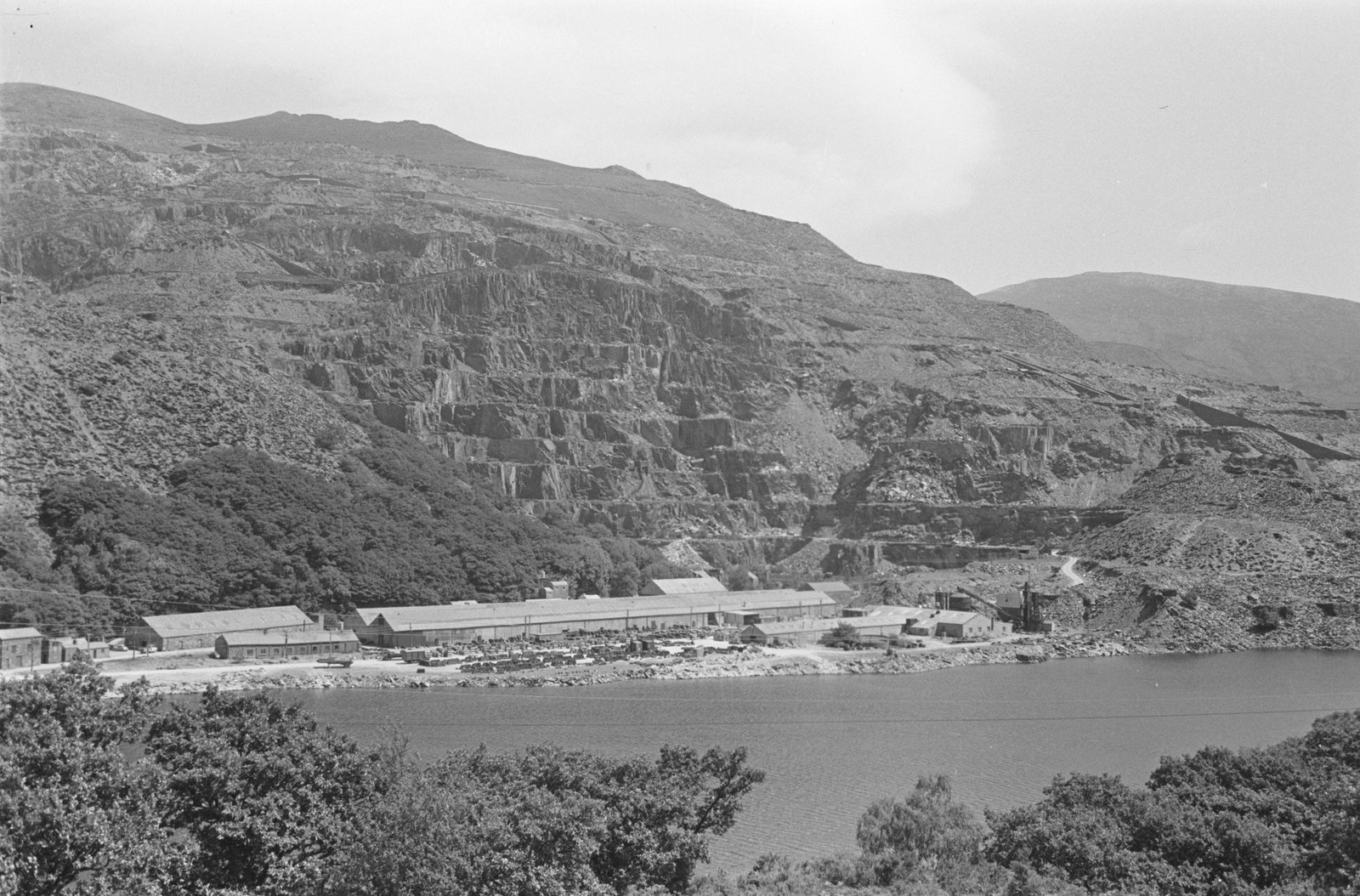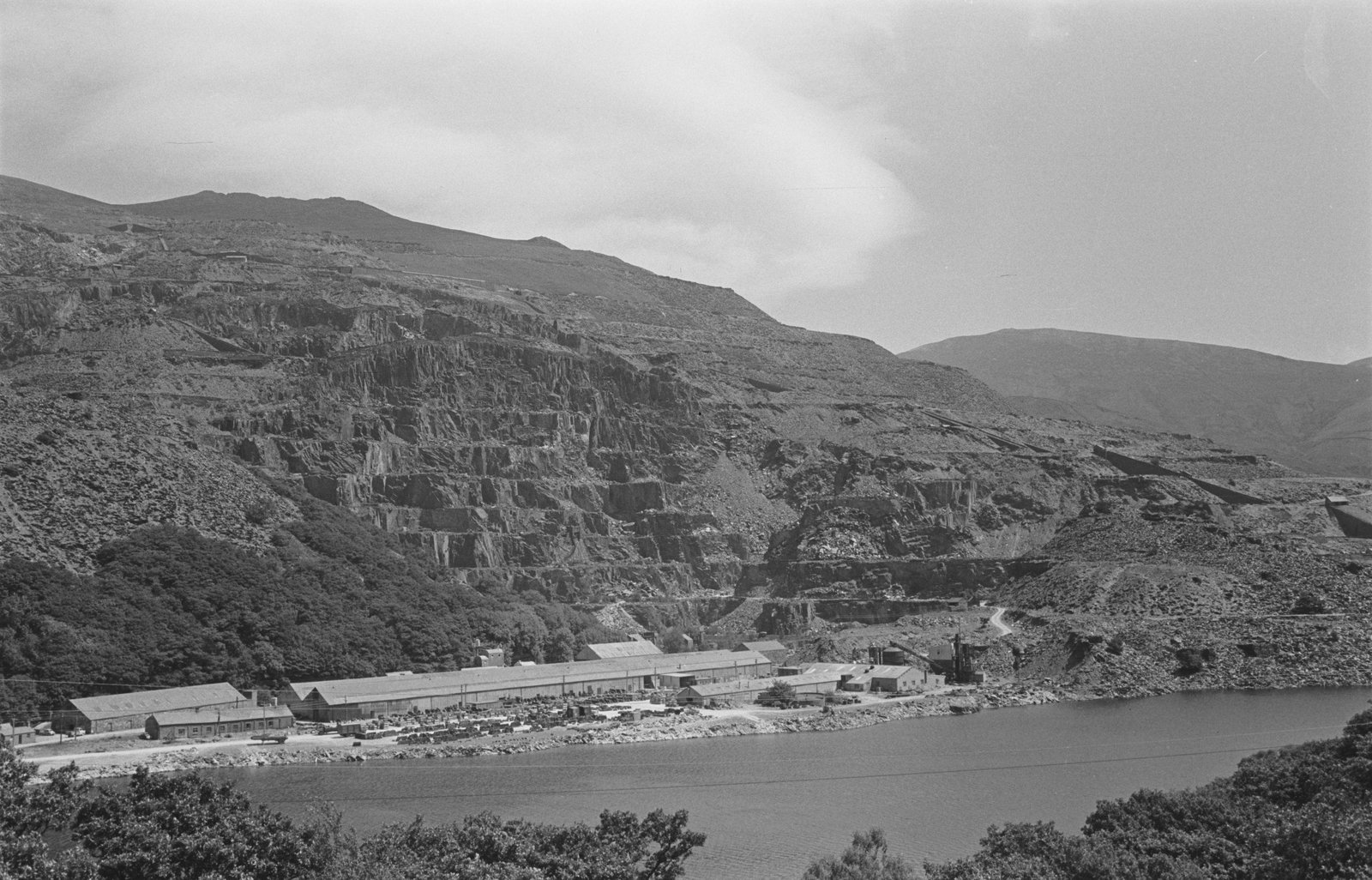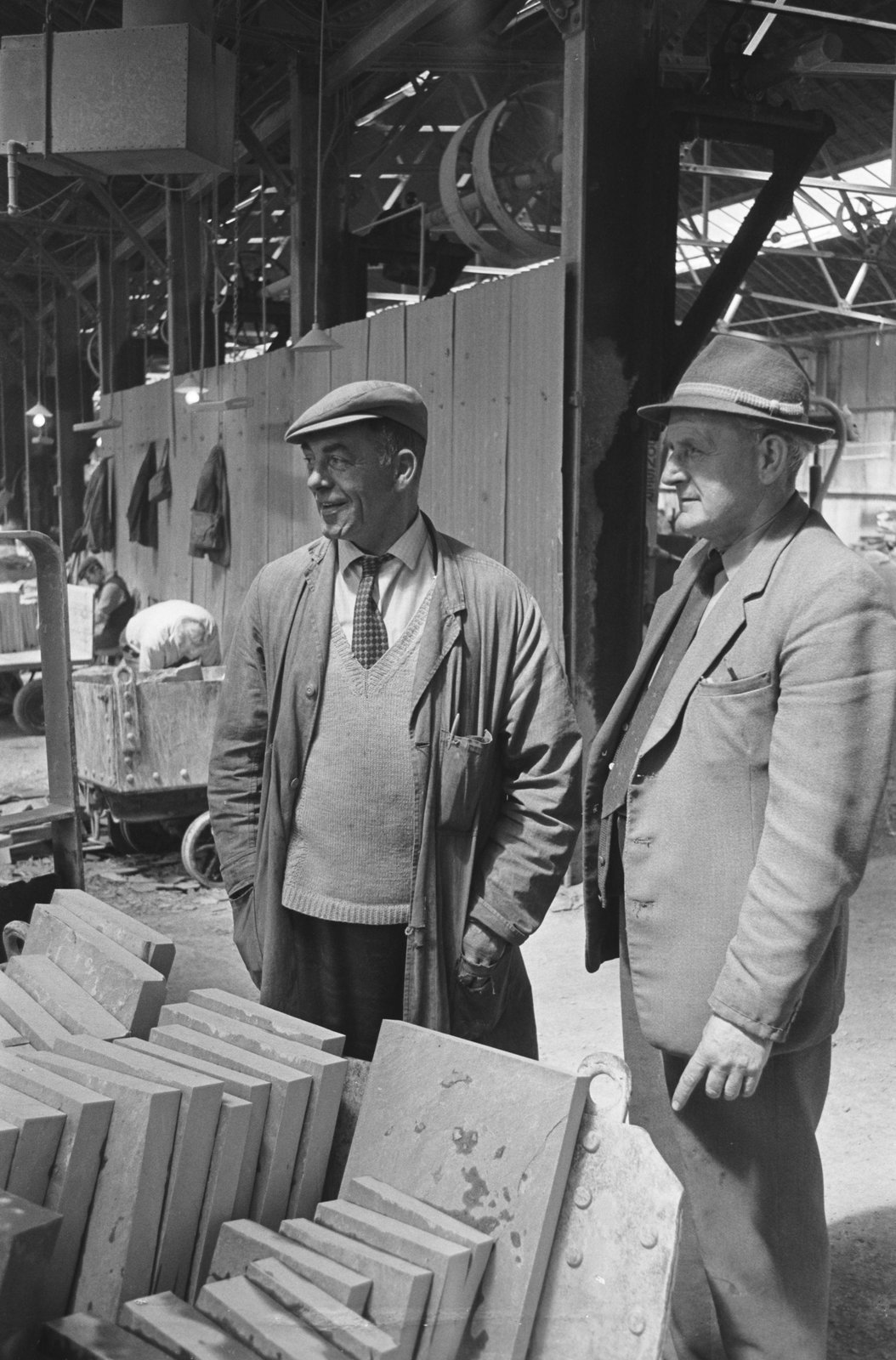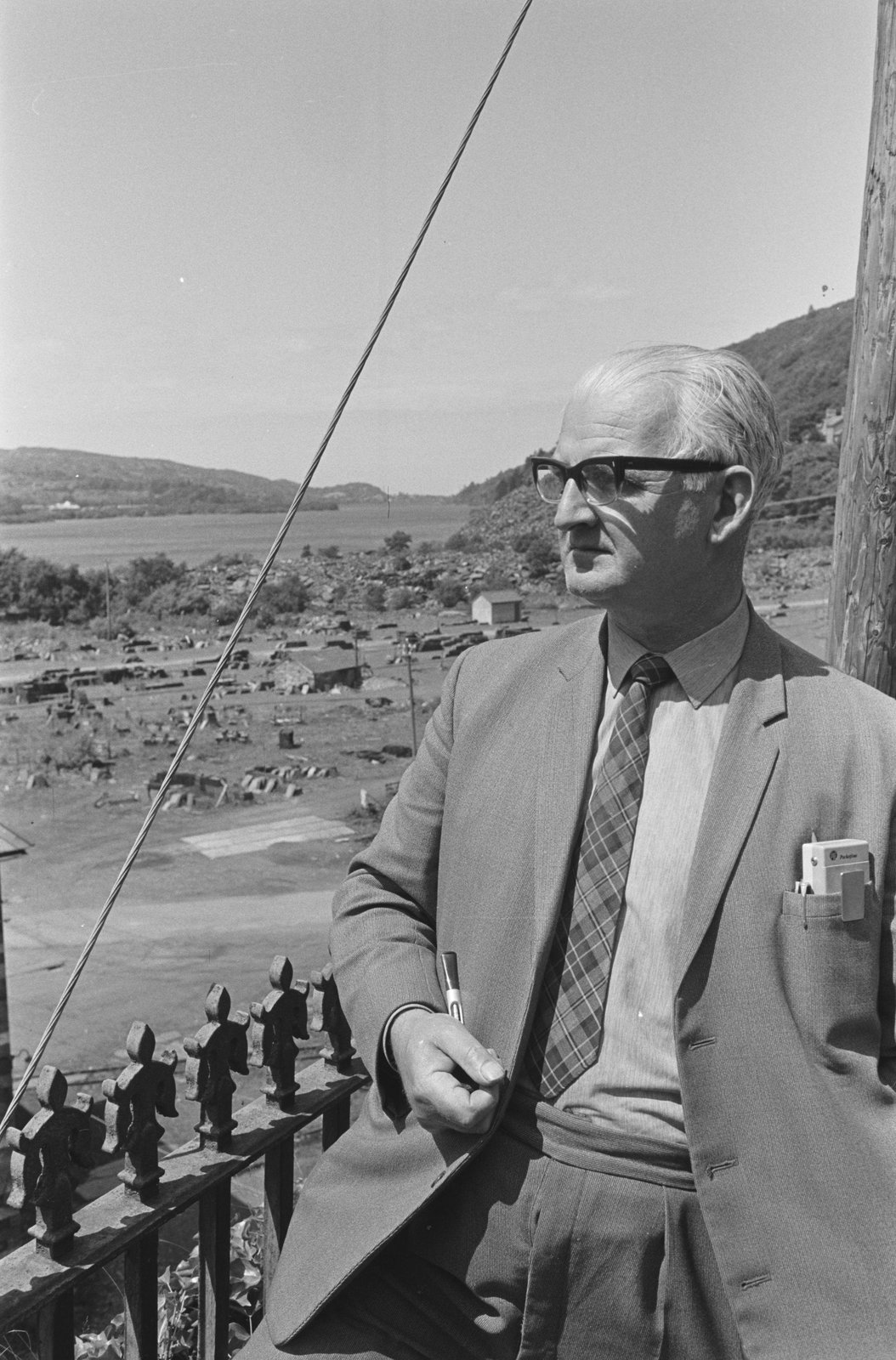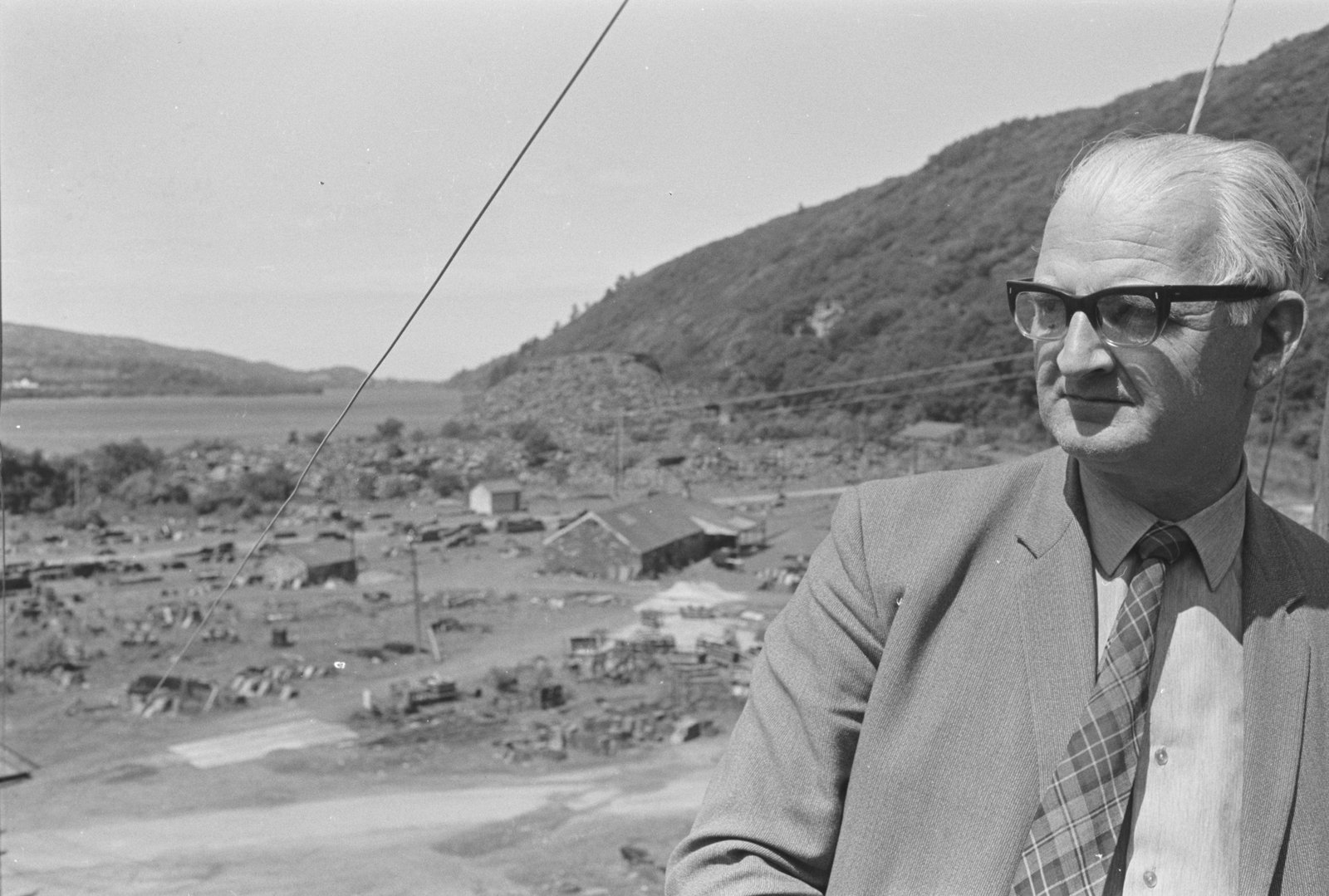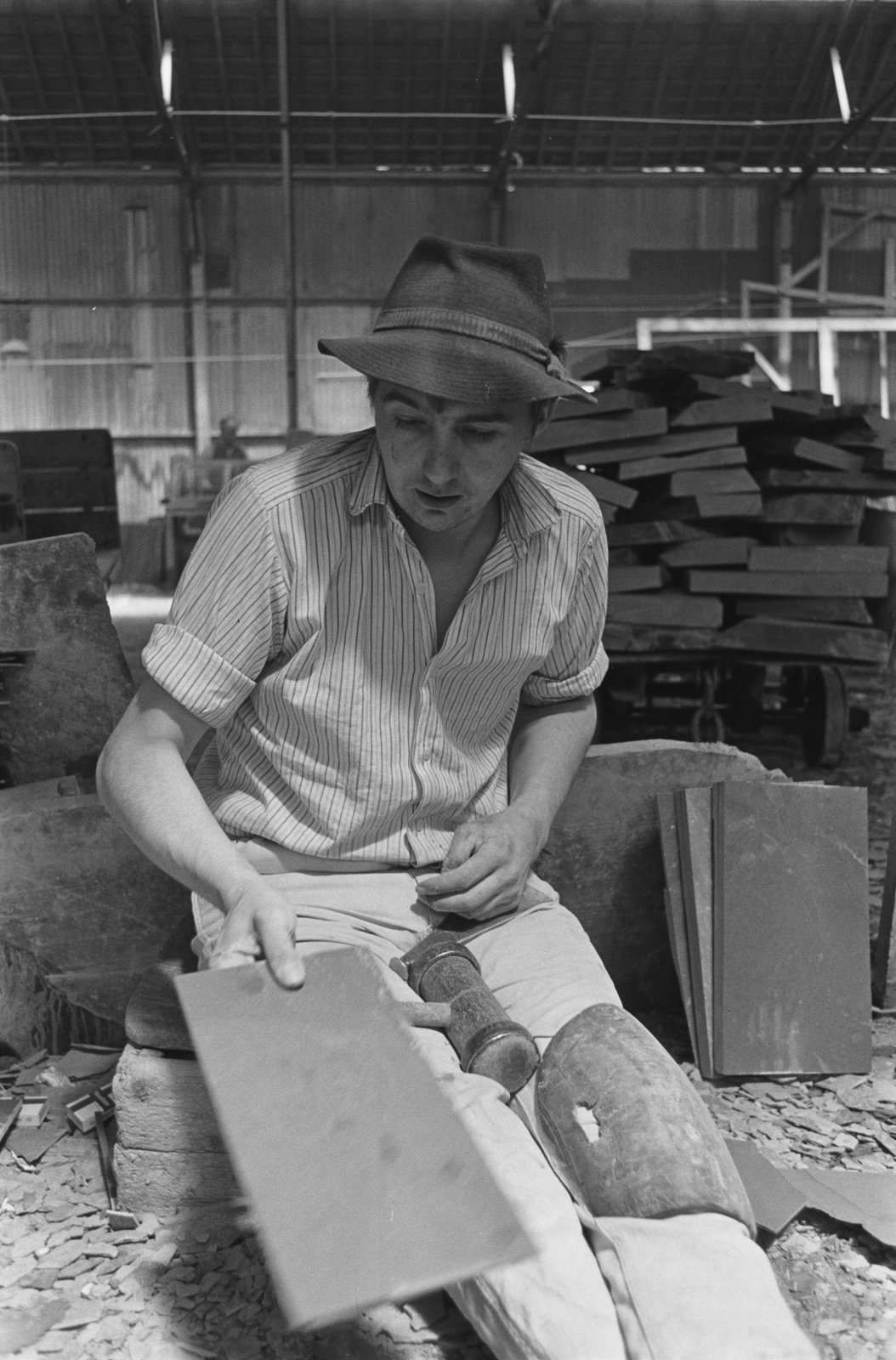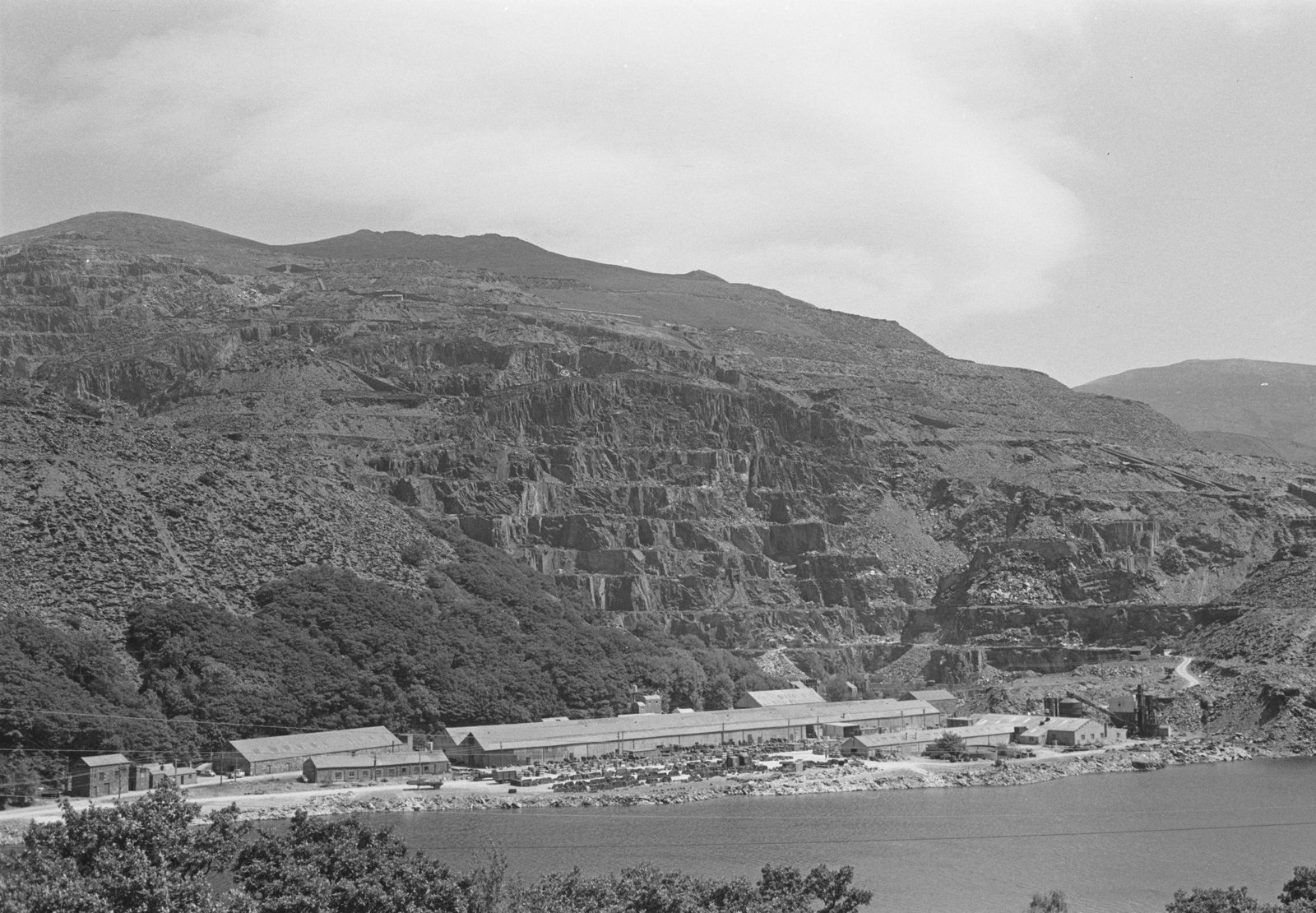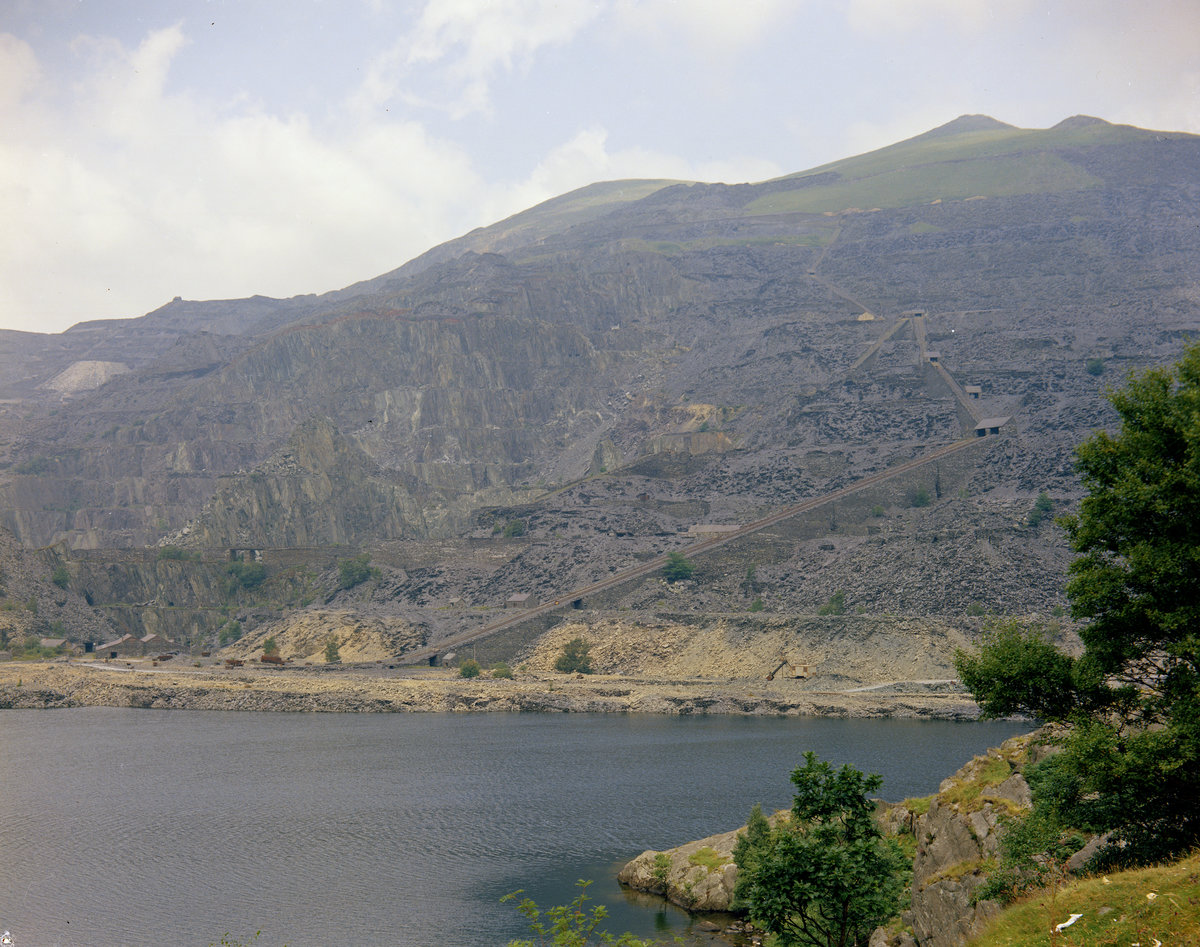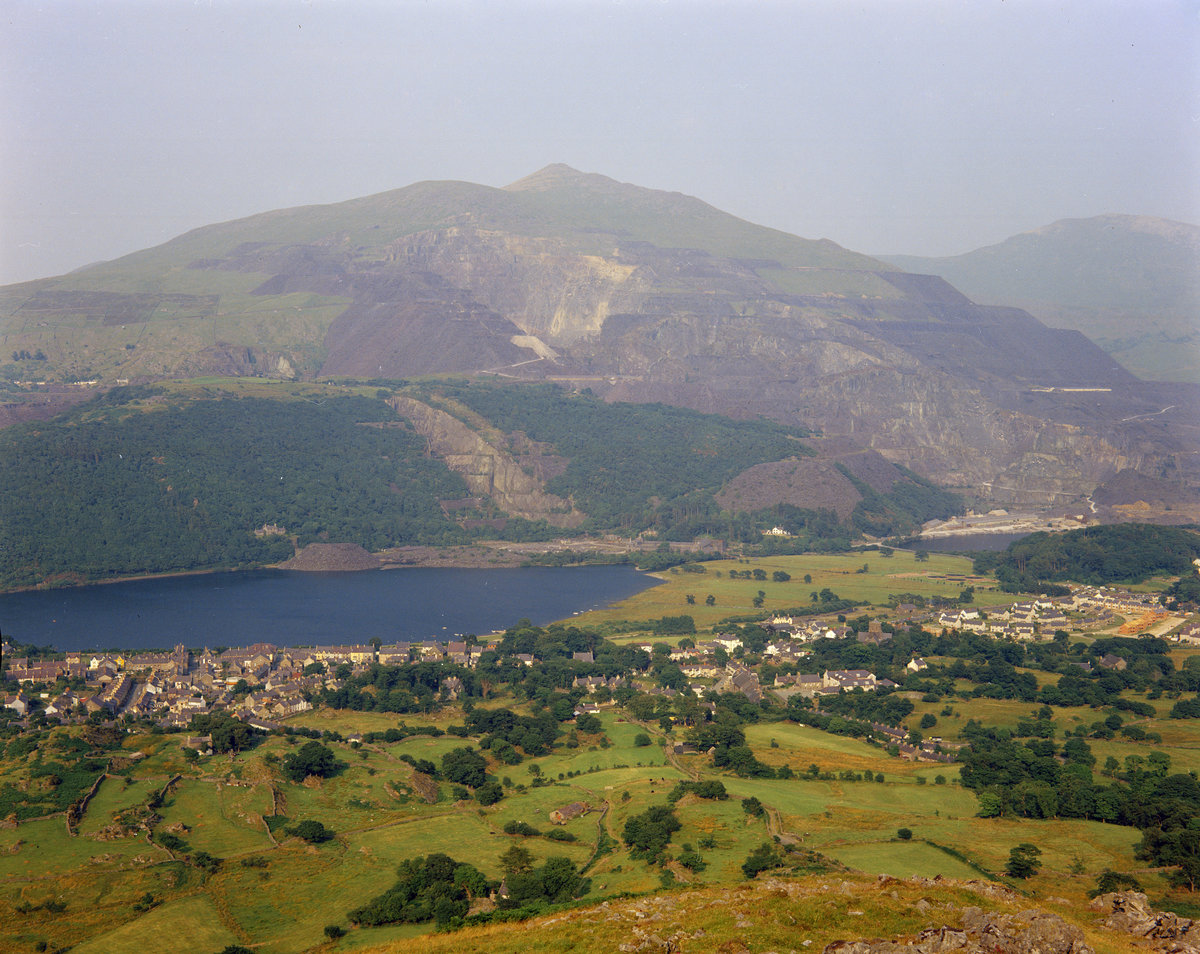



Extensive pit and terraced workings operating across 13 levels. Remains of inclines and buildings.****
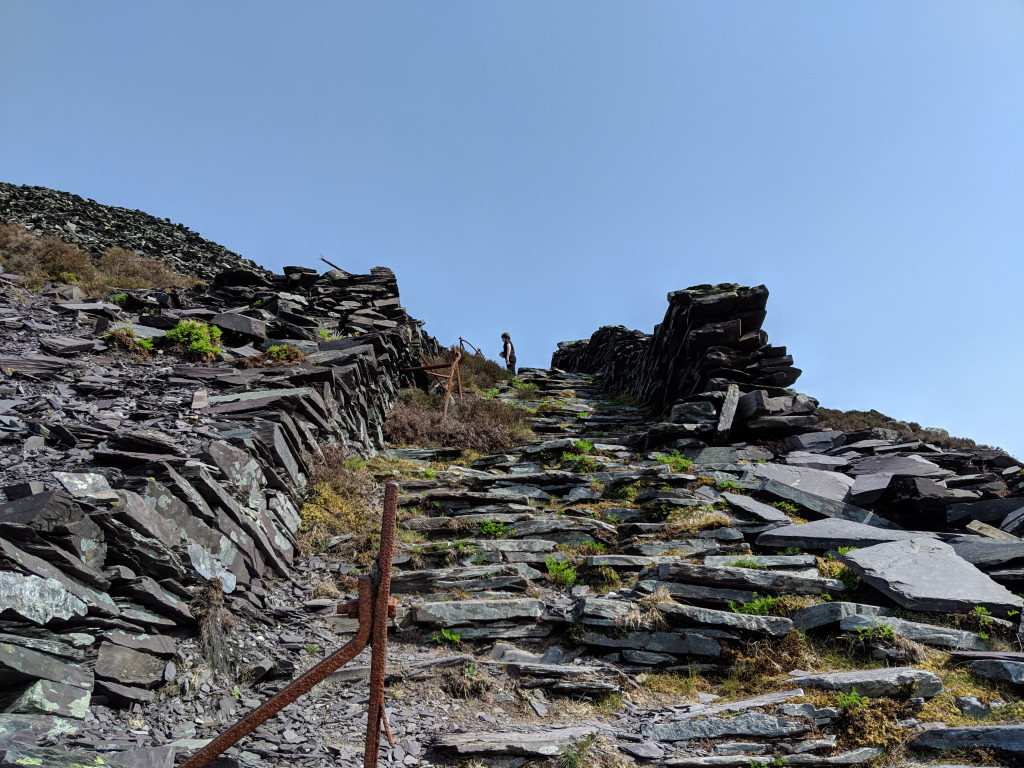
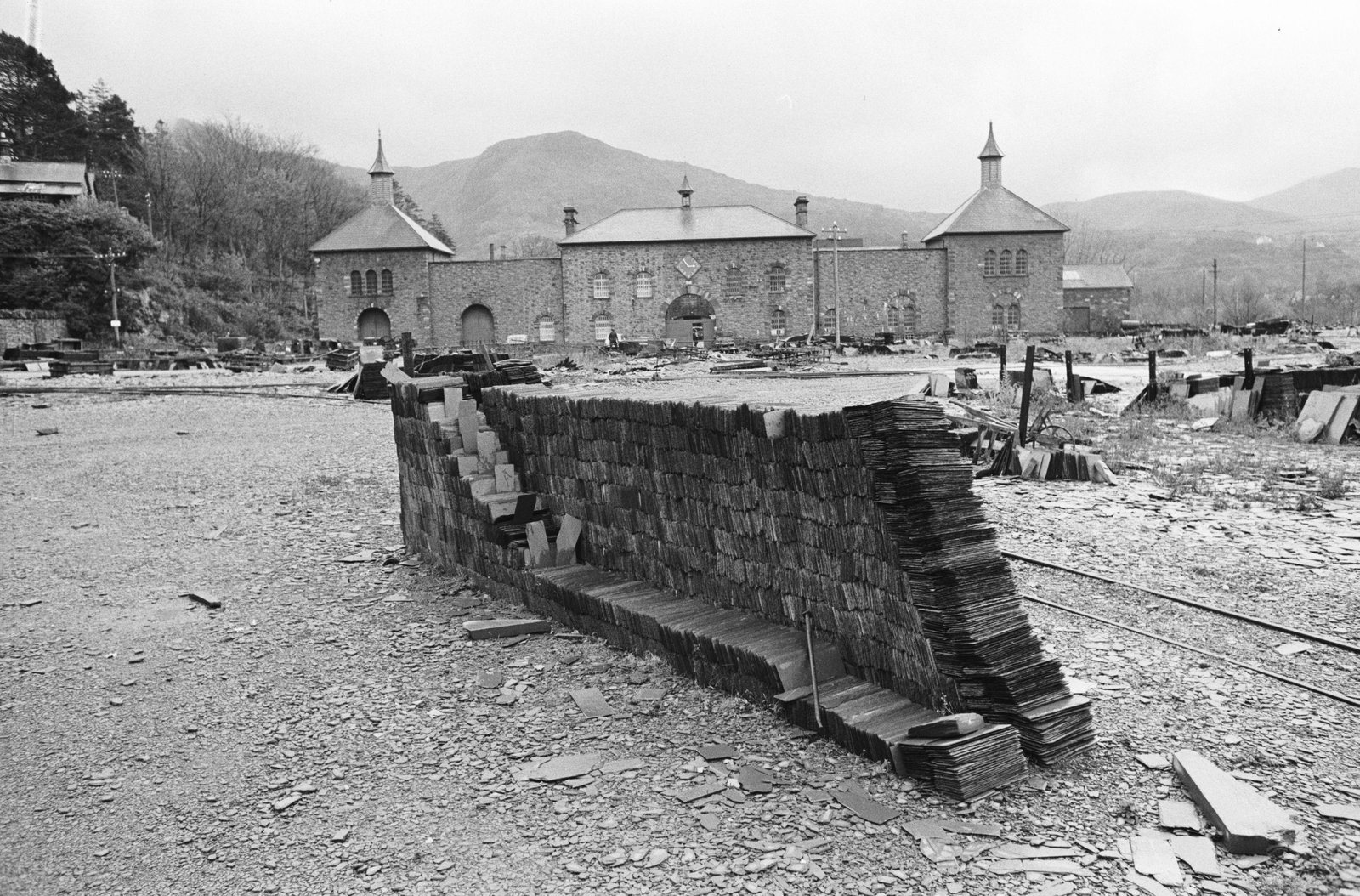
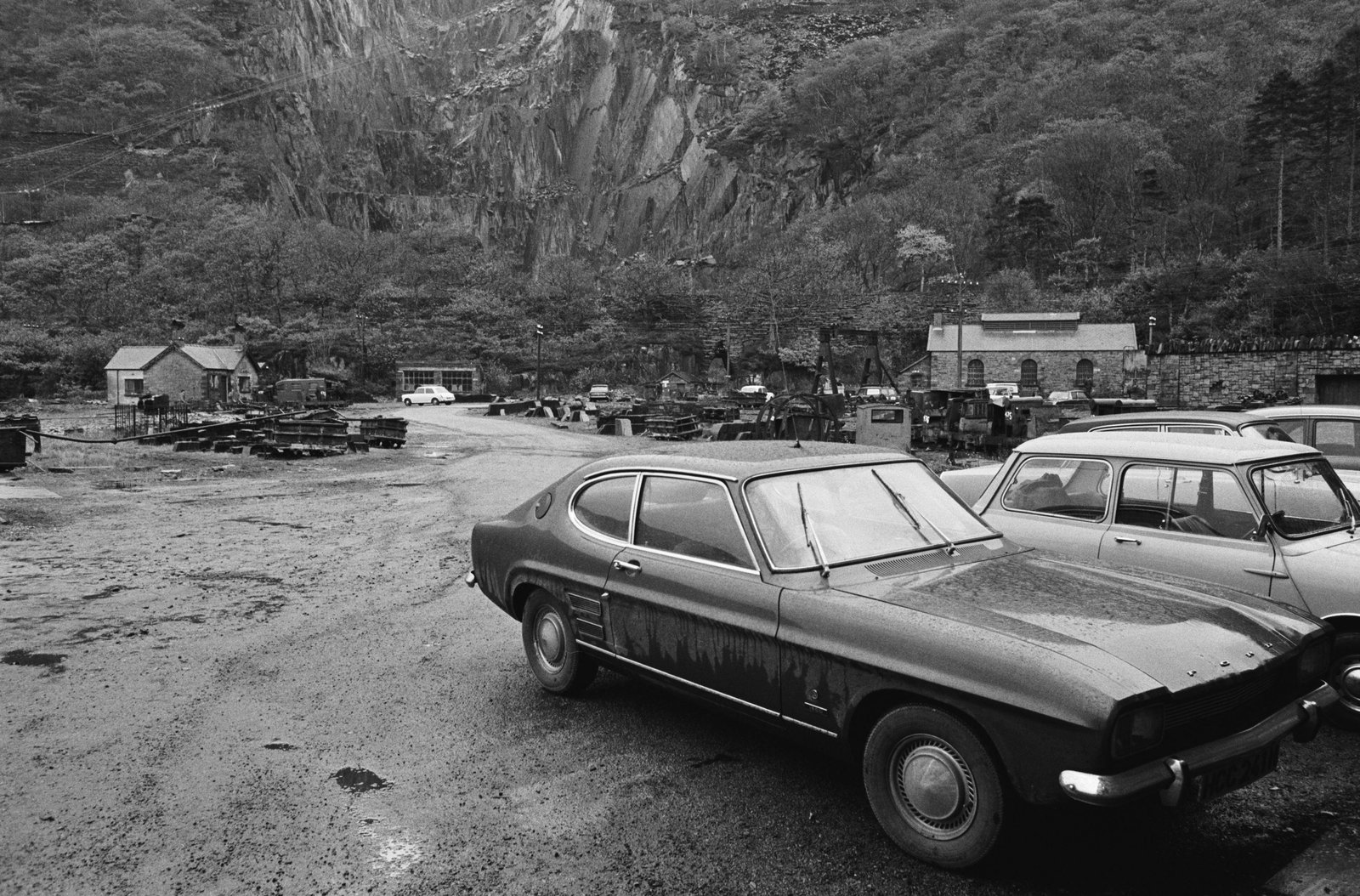
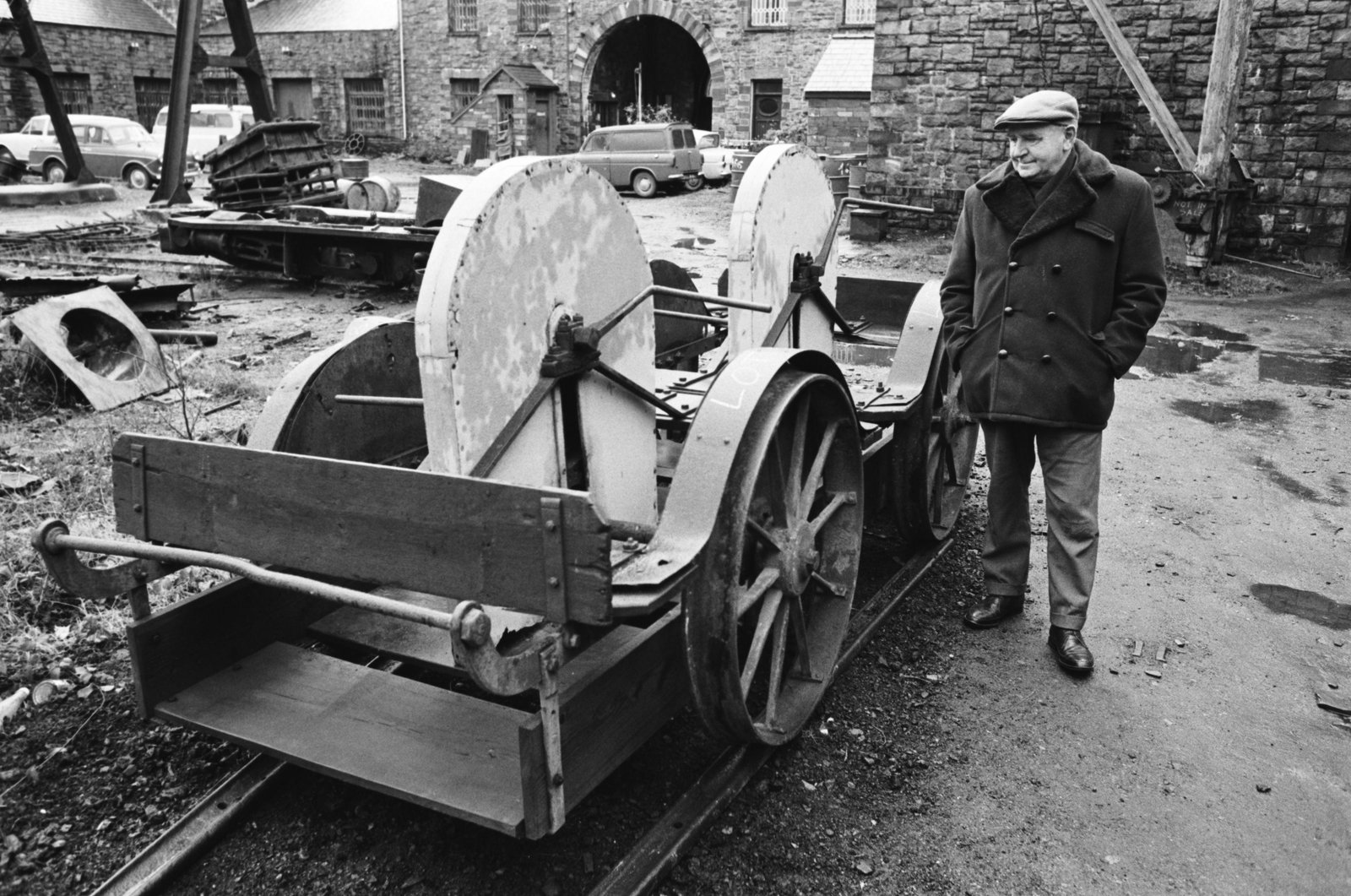
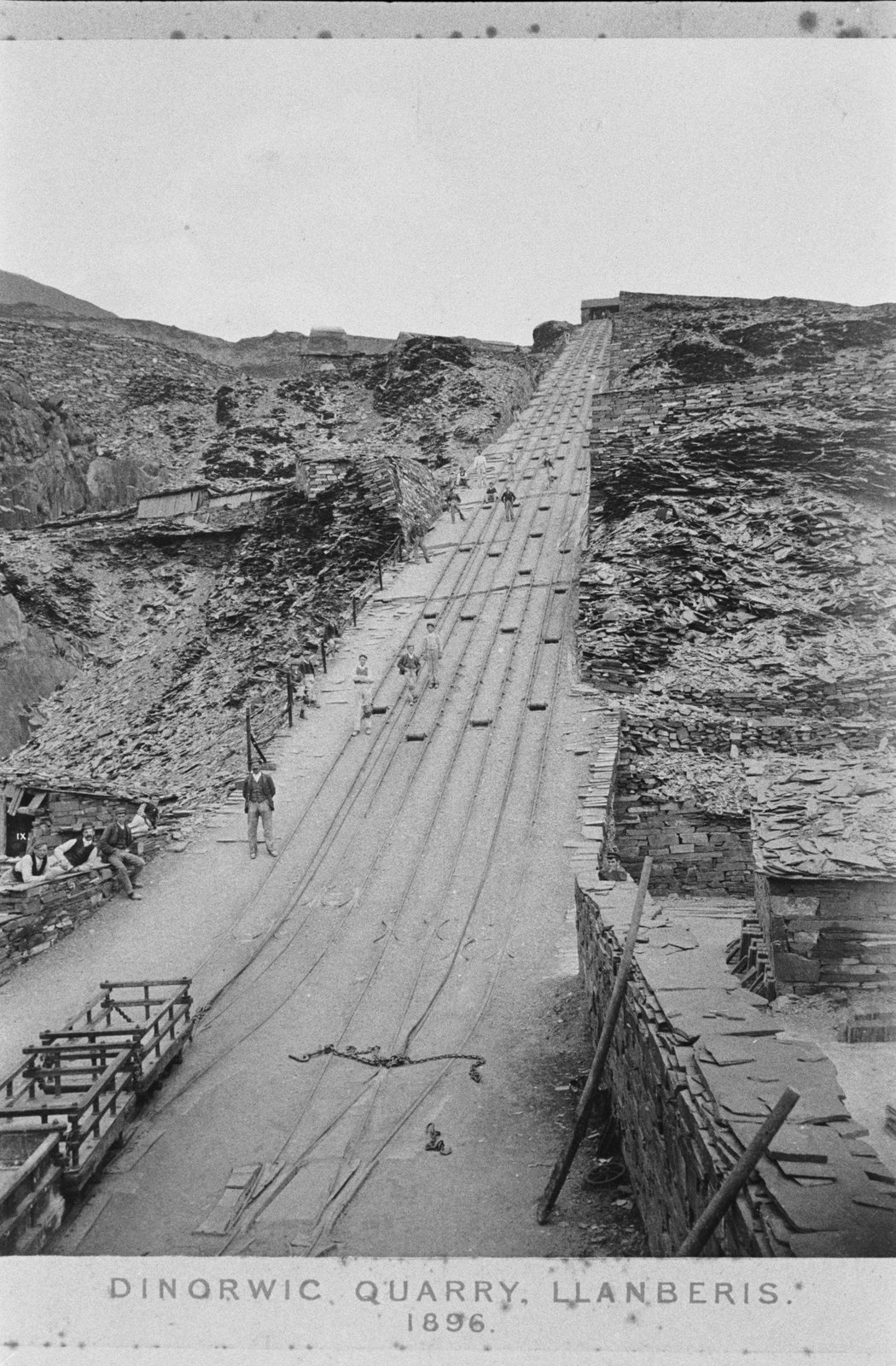
The site is vast, with many features surviving, especially in the western Garret side and the separate Vivian Quarry, which was worked in conjunction with Dinorwig. The incline systems are among the most impressive remains. The A series on the northwest side had 9 pitches, featuring spectacular upper inclines and elaborate drum houses with unique brake designs. The B series comprised discontinuous inclines, some converted to single-acting with counterbalanced rubbish wagons. The C series on the southeast Braich side had 10 pitches, including table inclines with under-floor drums and cabins controlling brakes via ship’s wheel mechanisms, though some pitches are degraded or incomplete.
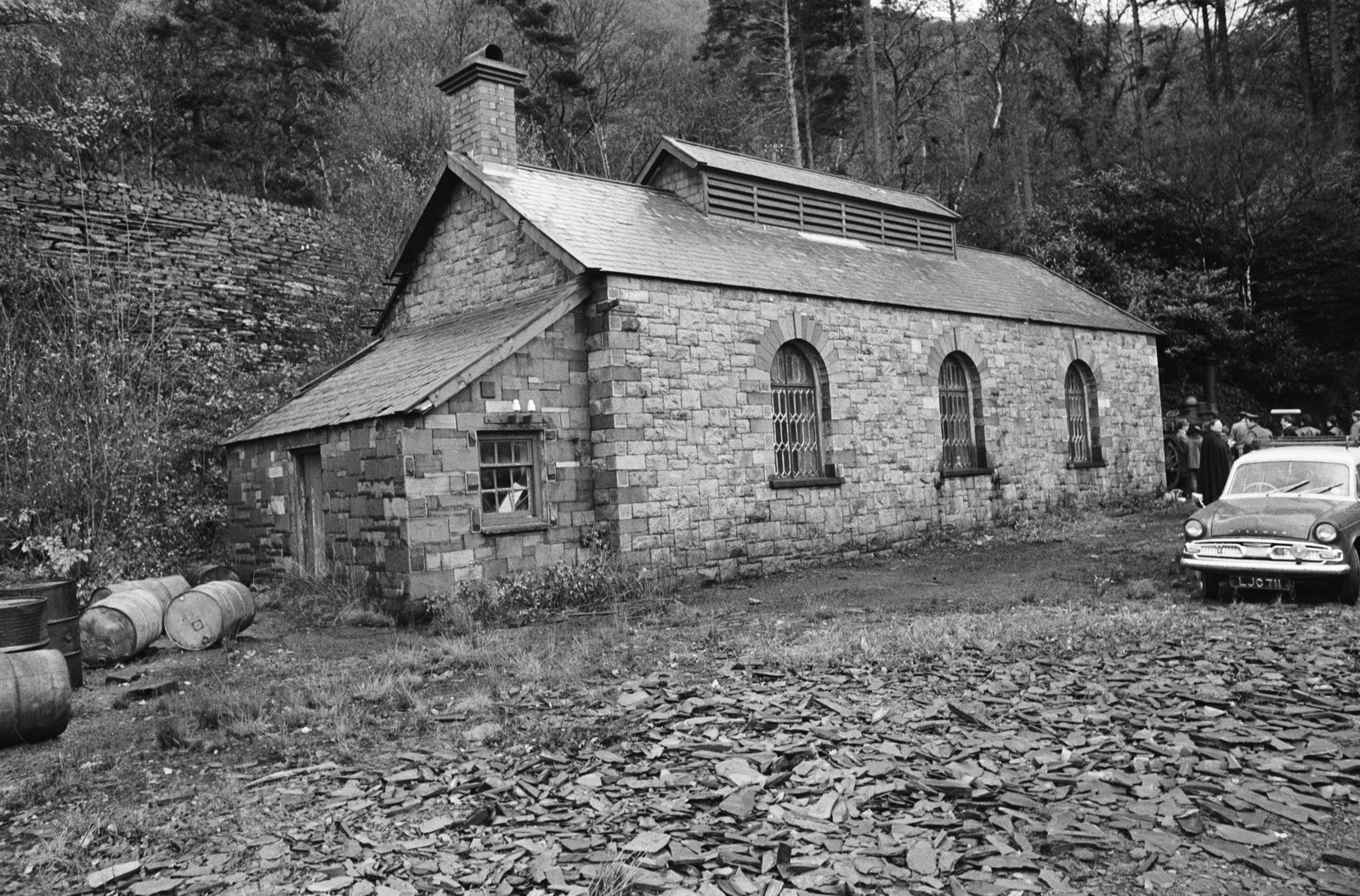
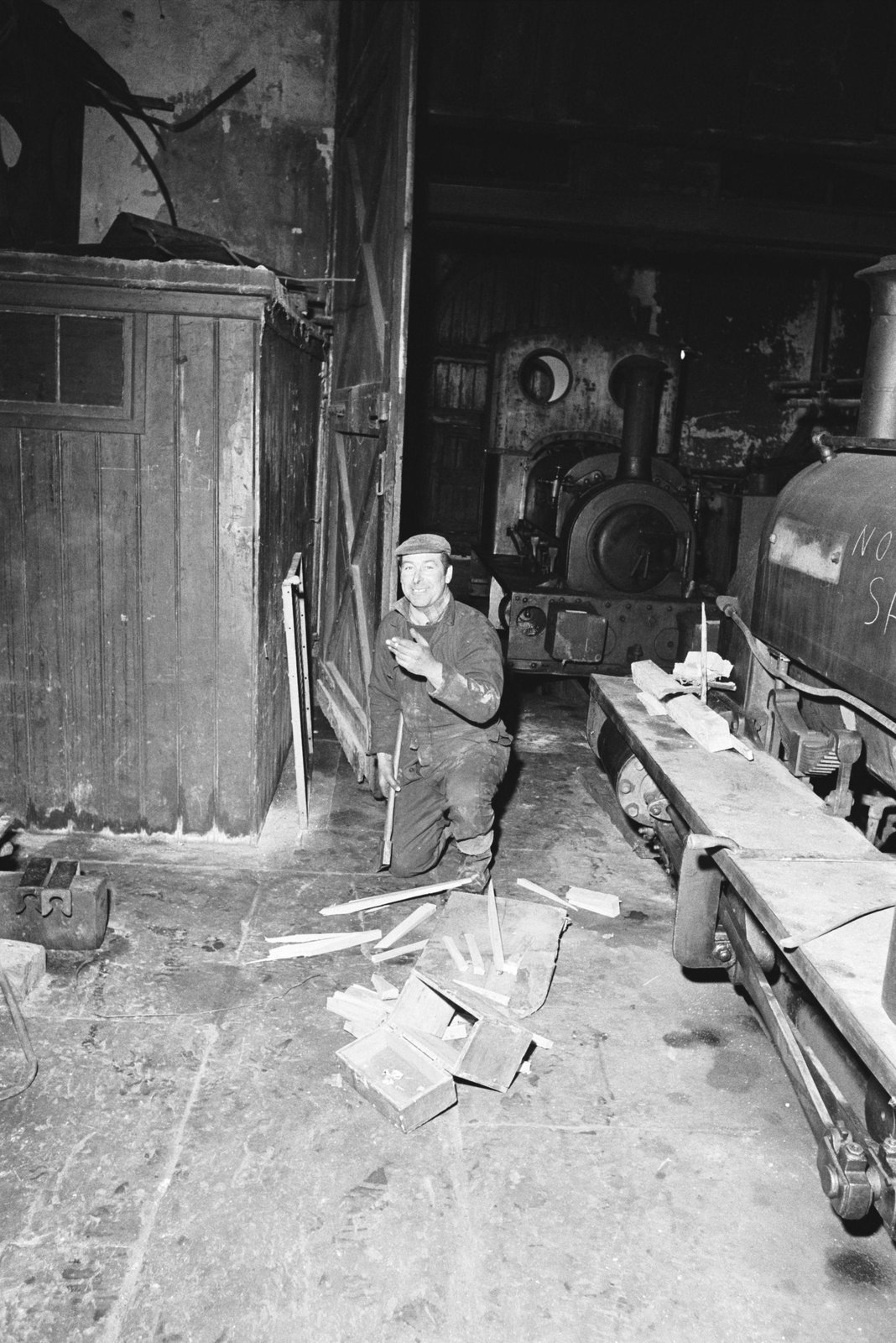
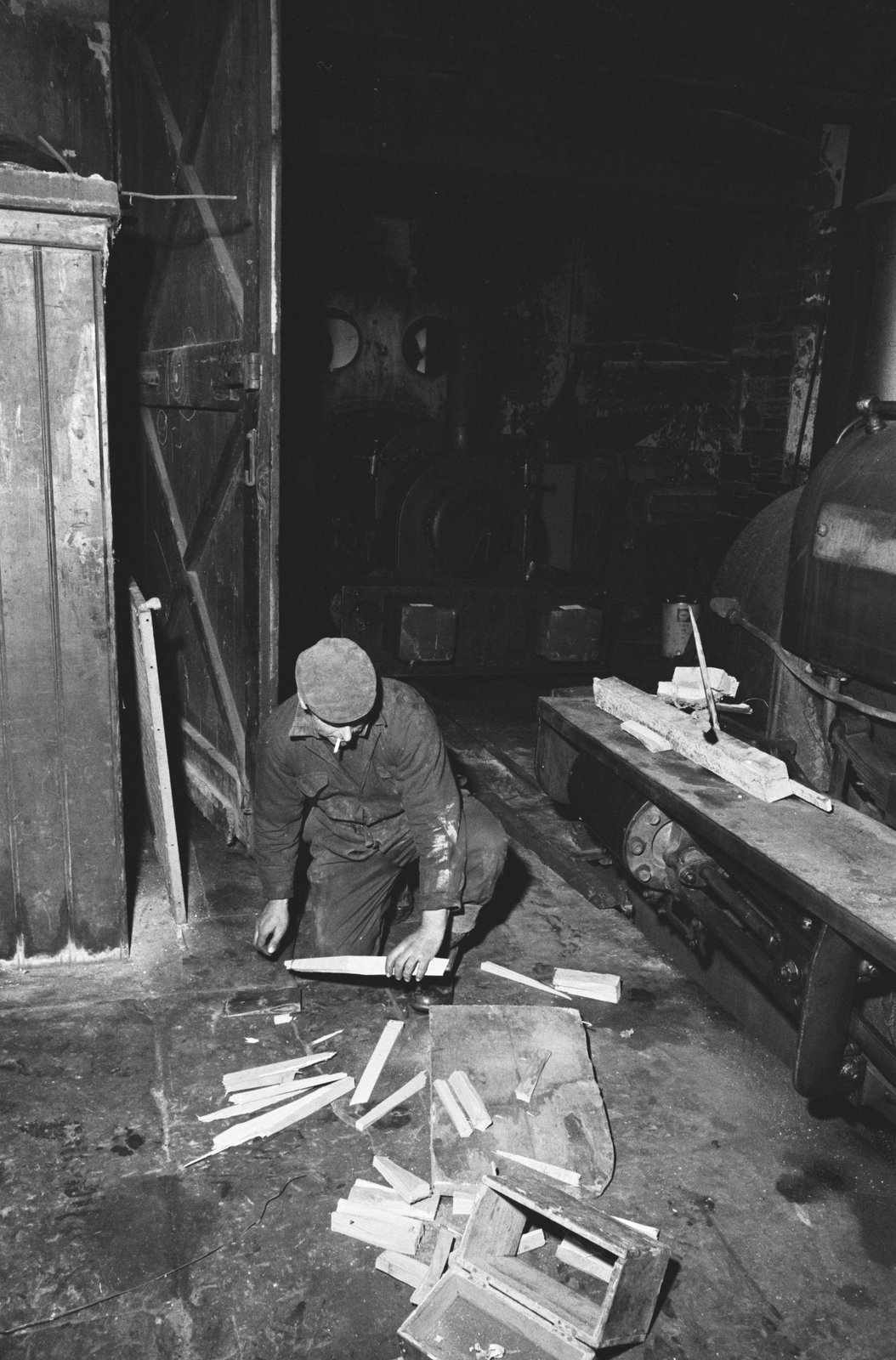
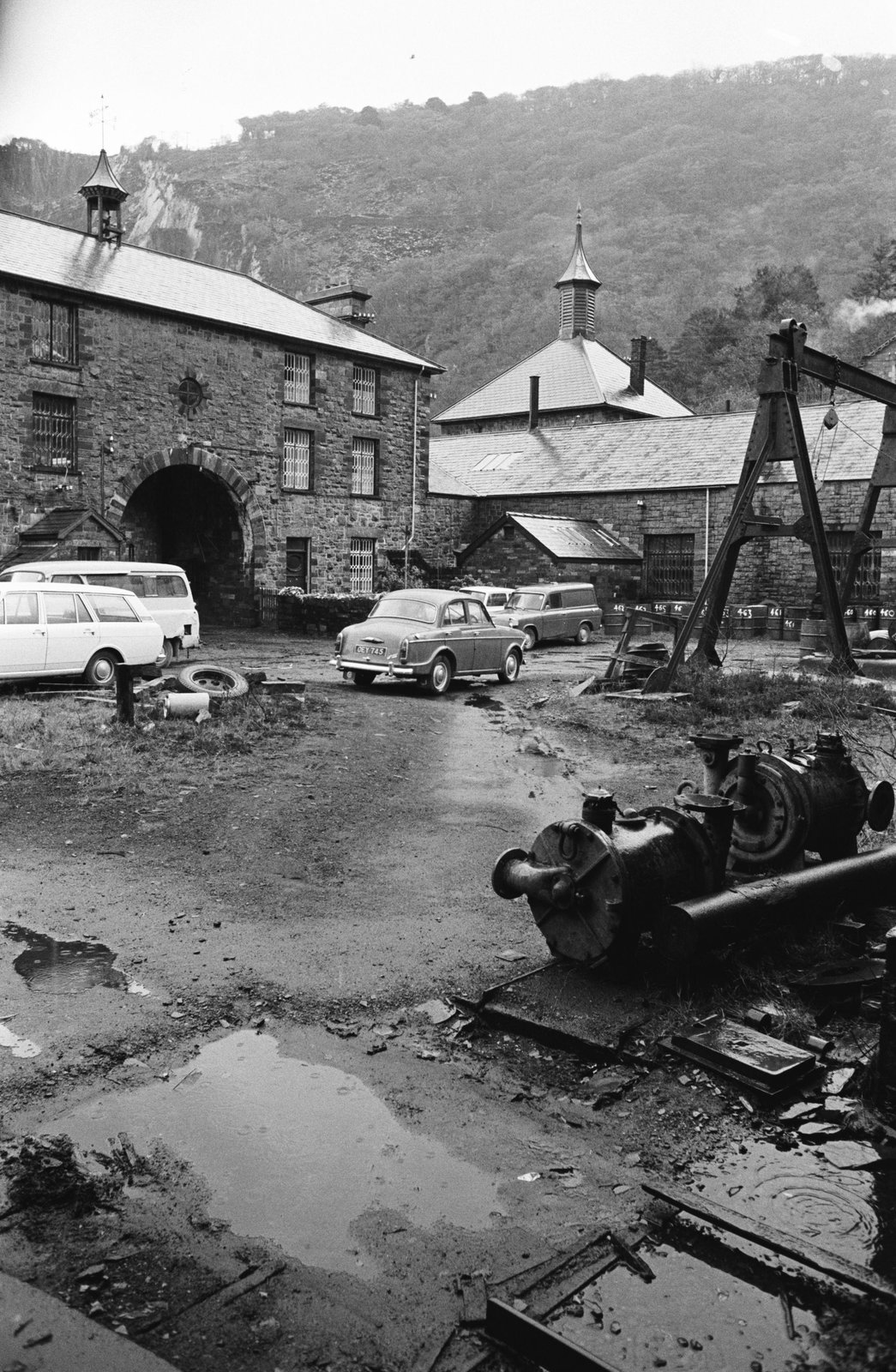
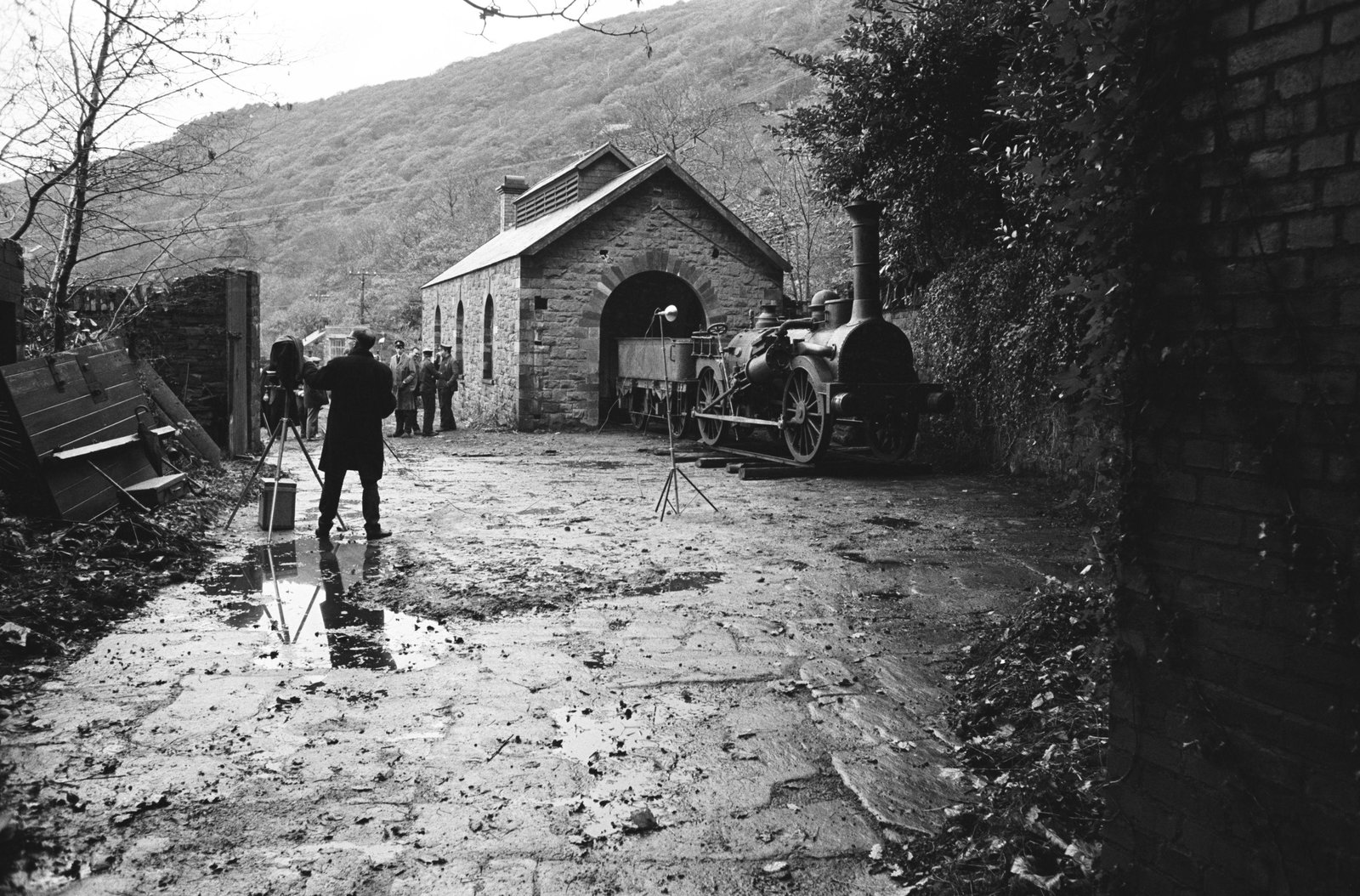
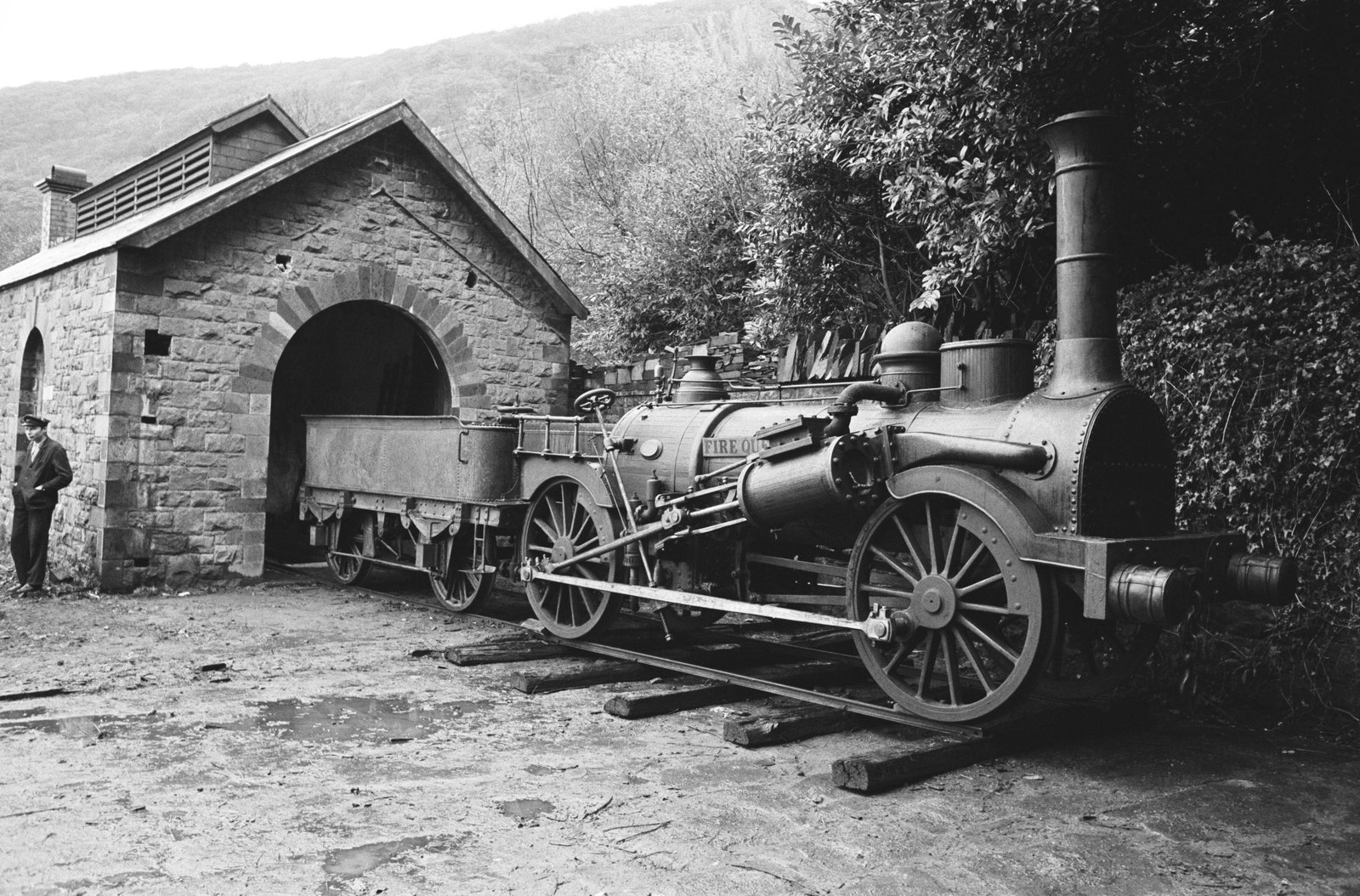
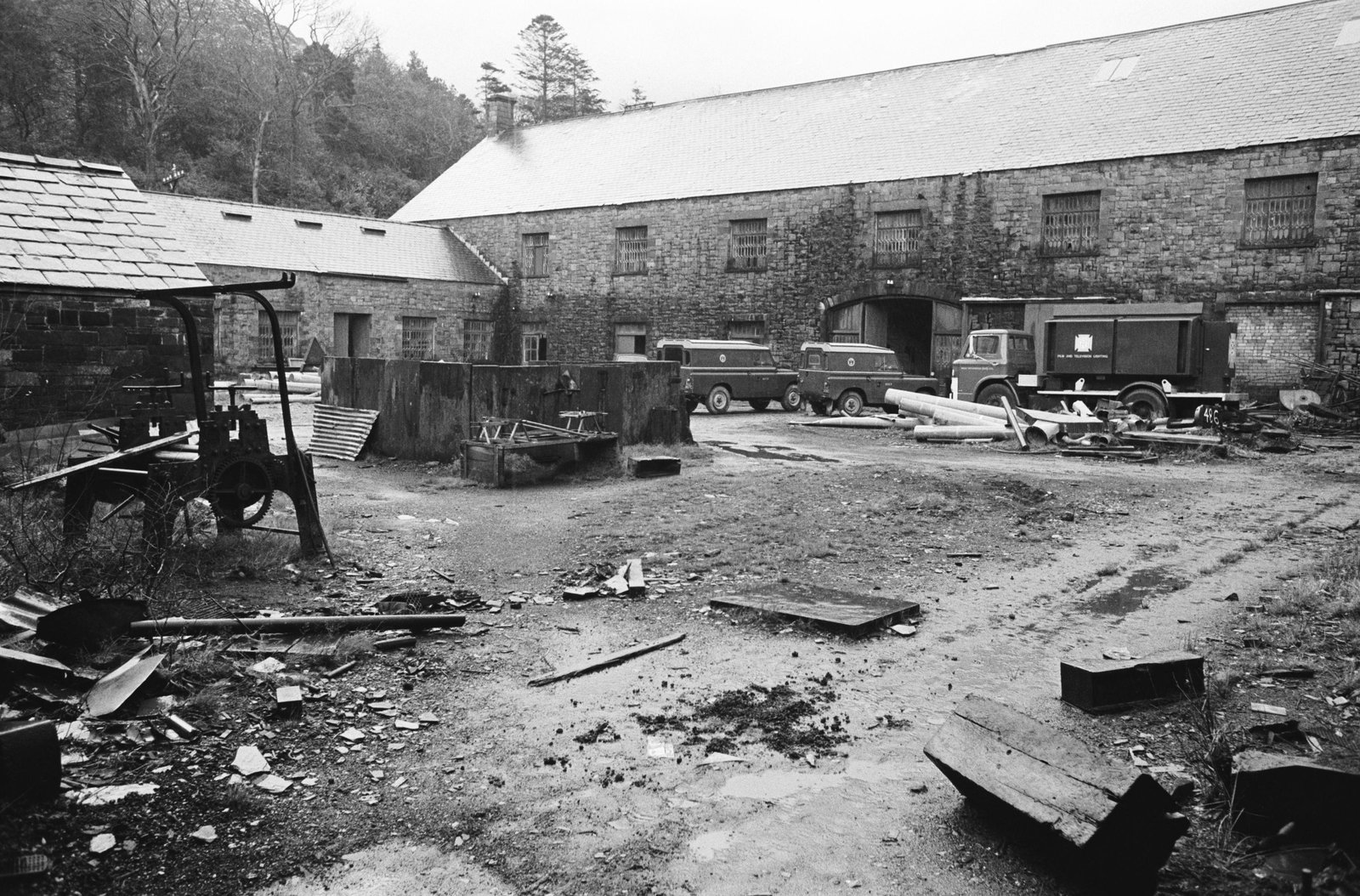
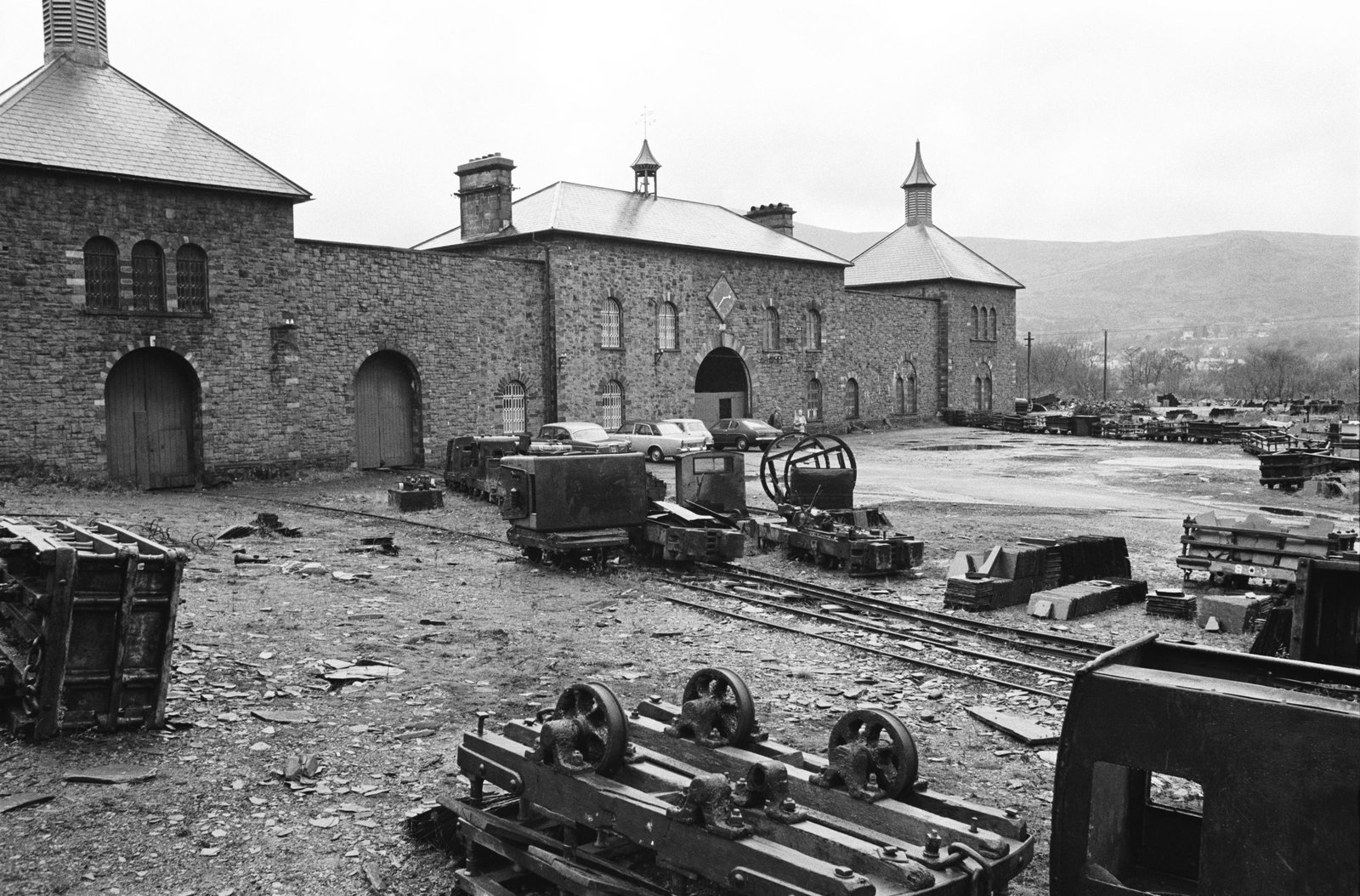
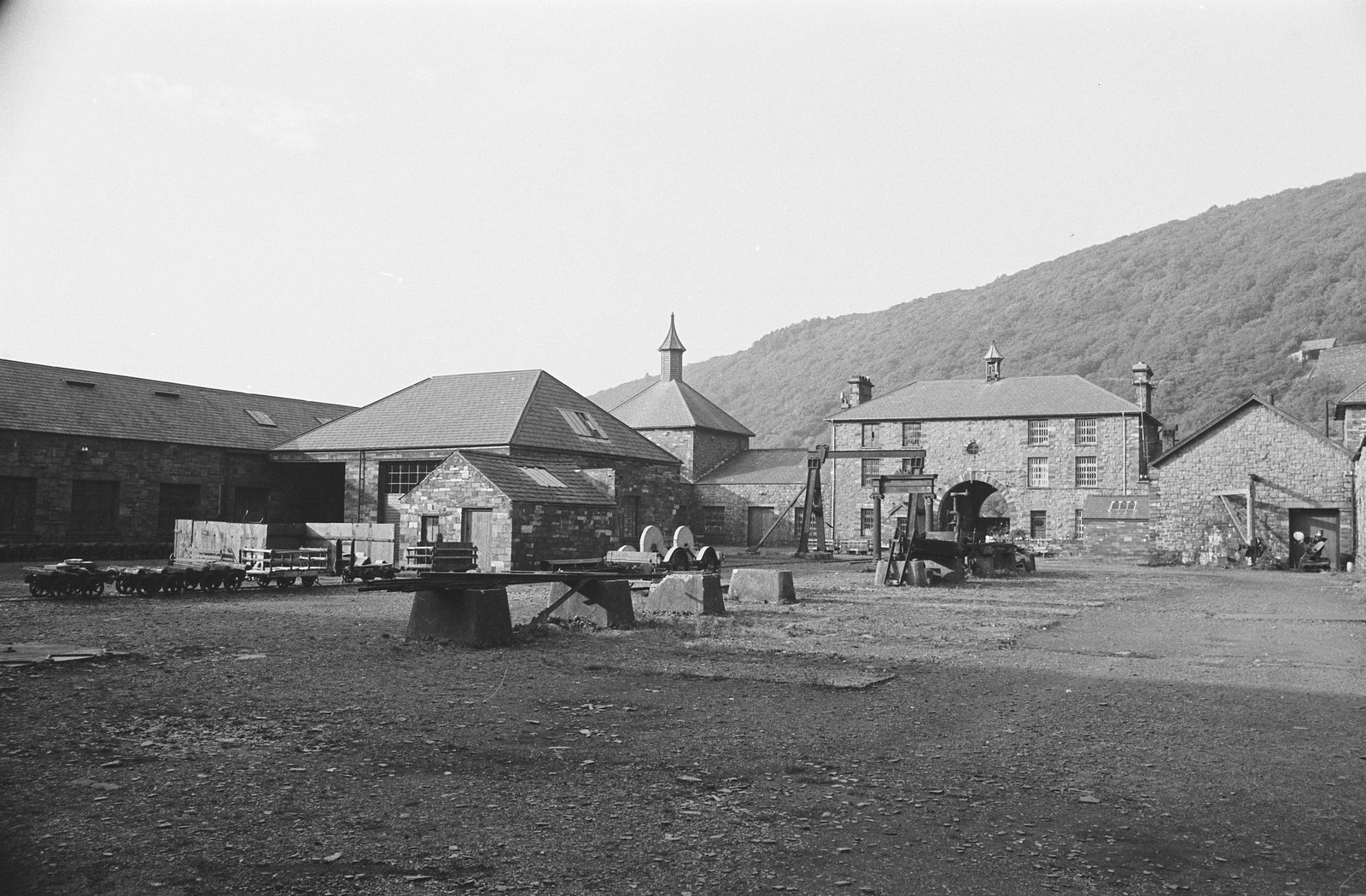
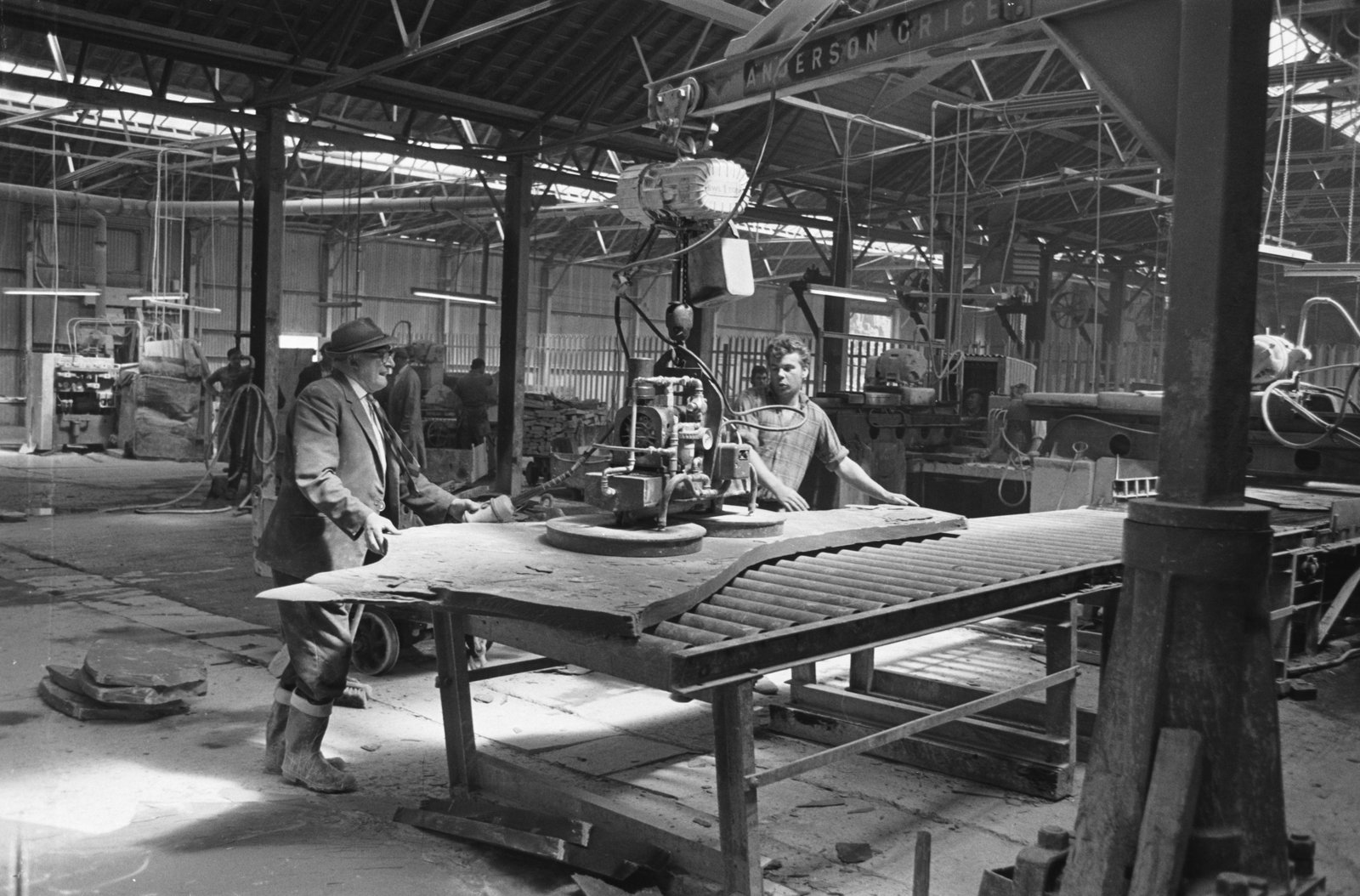
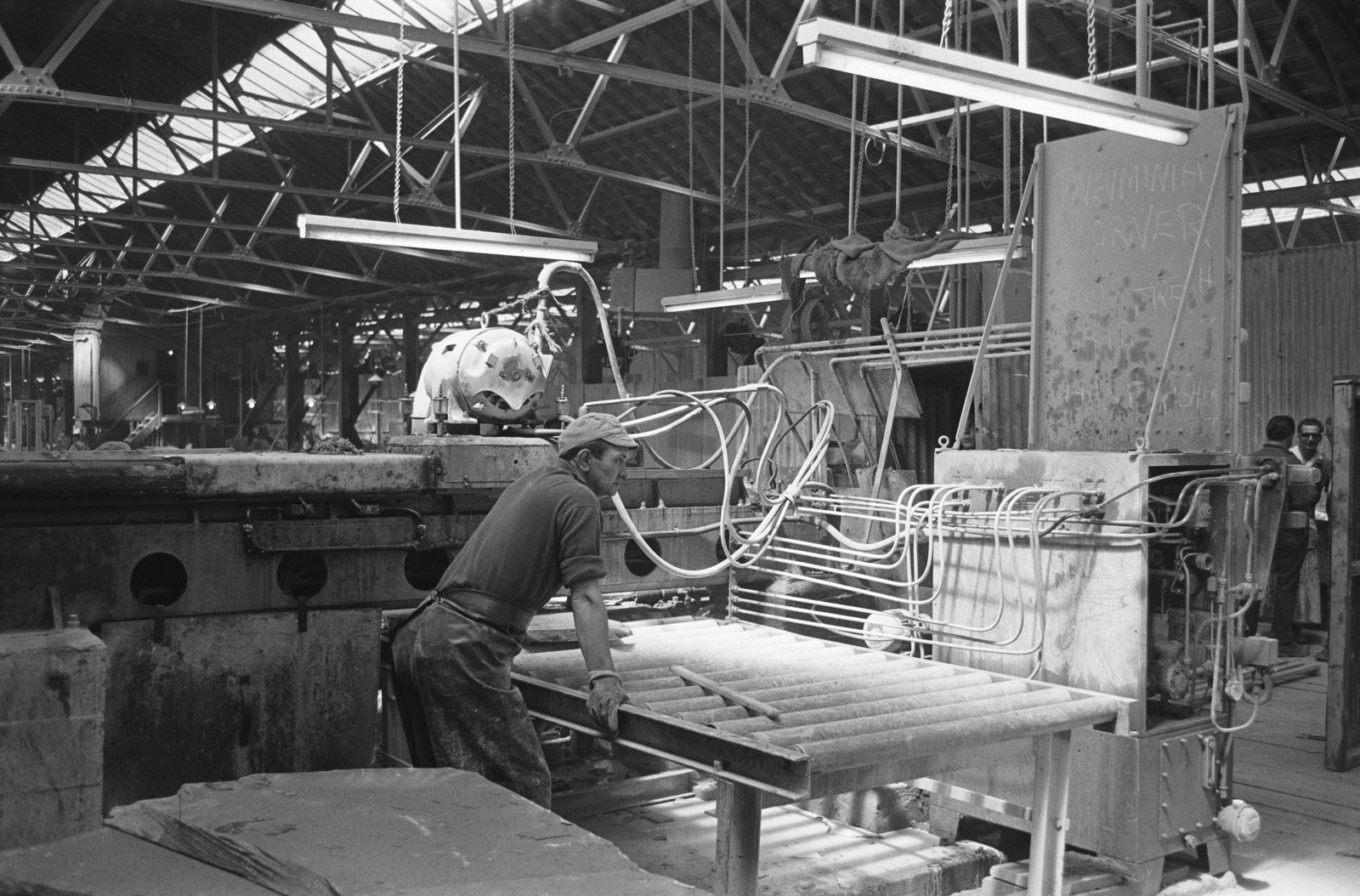
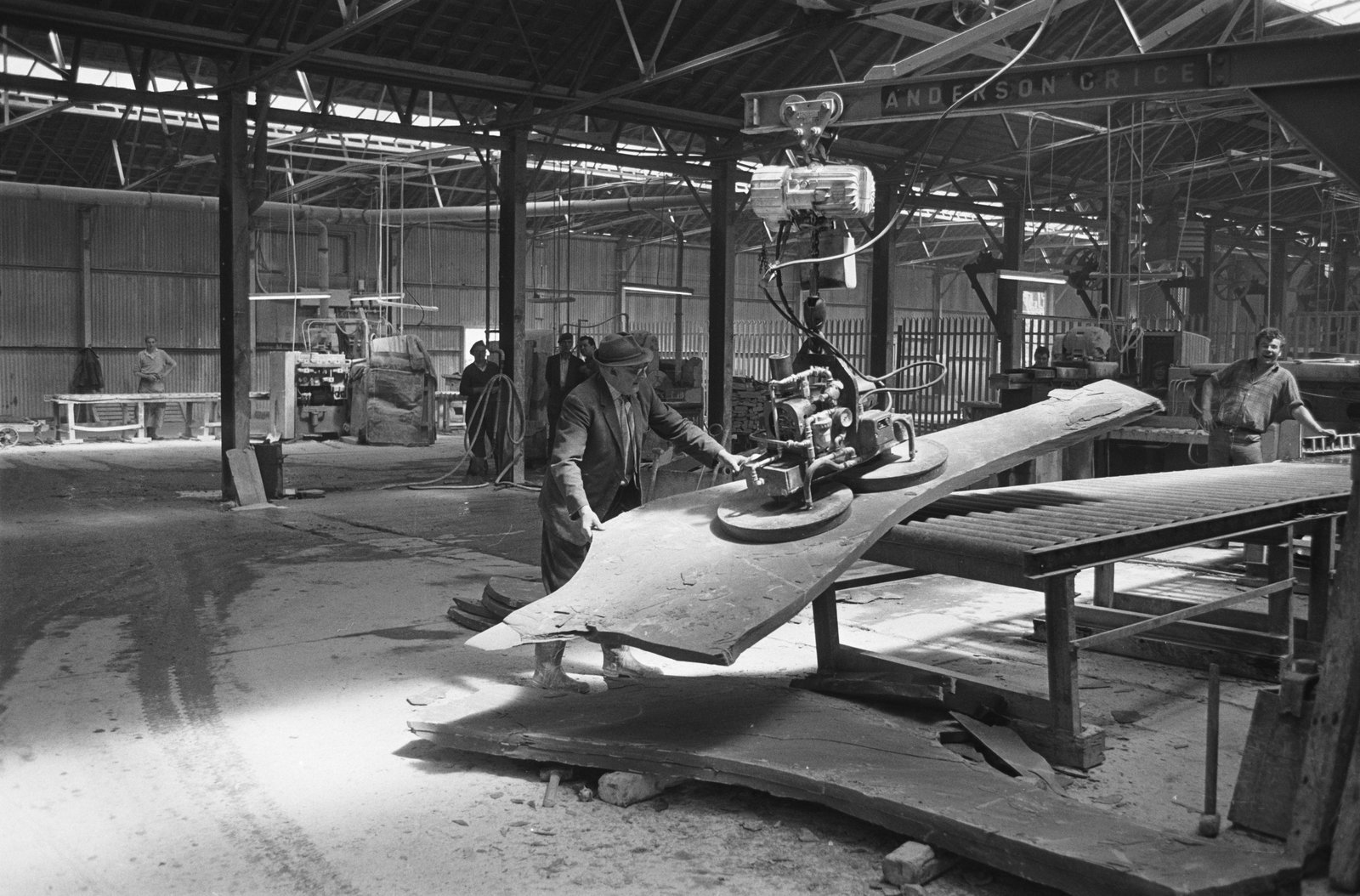
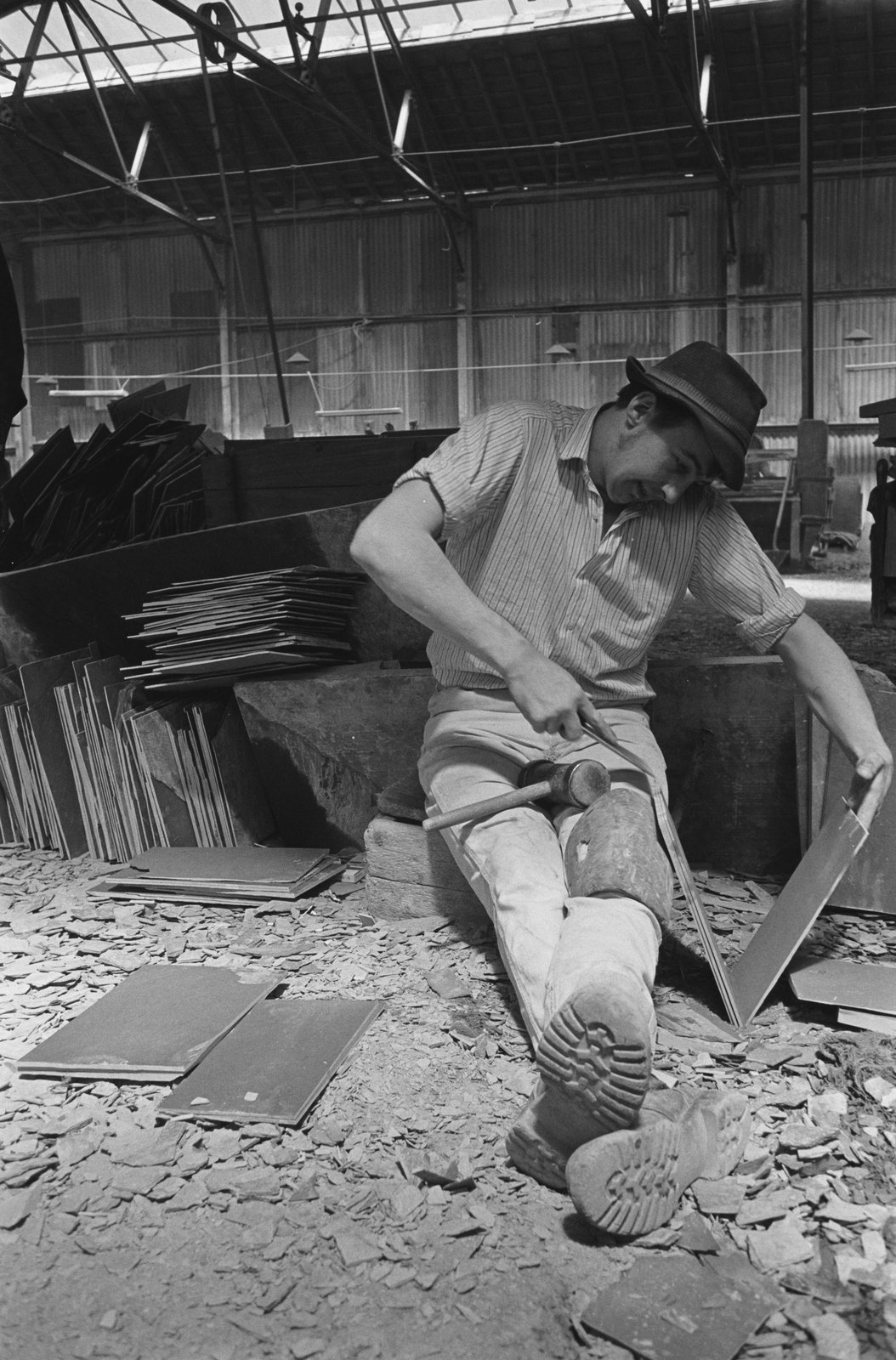
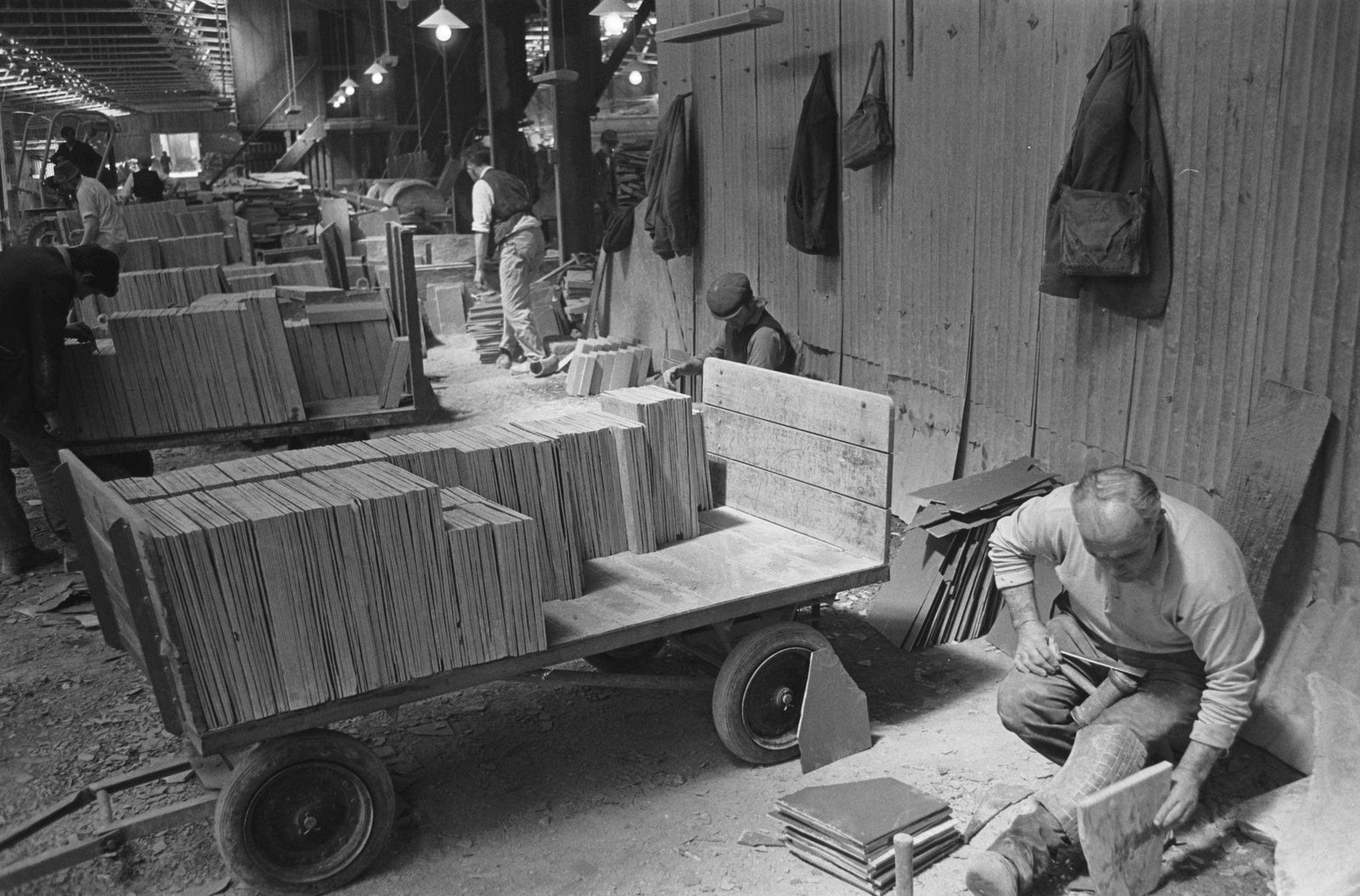
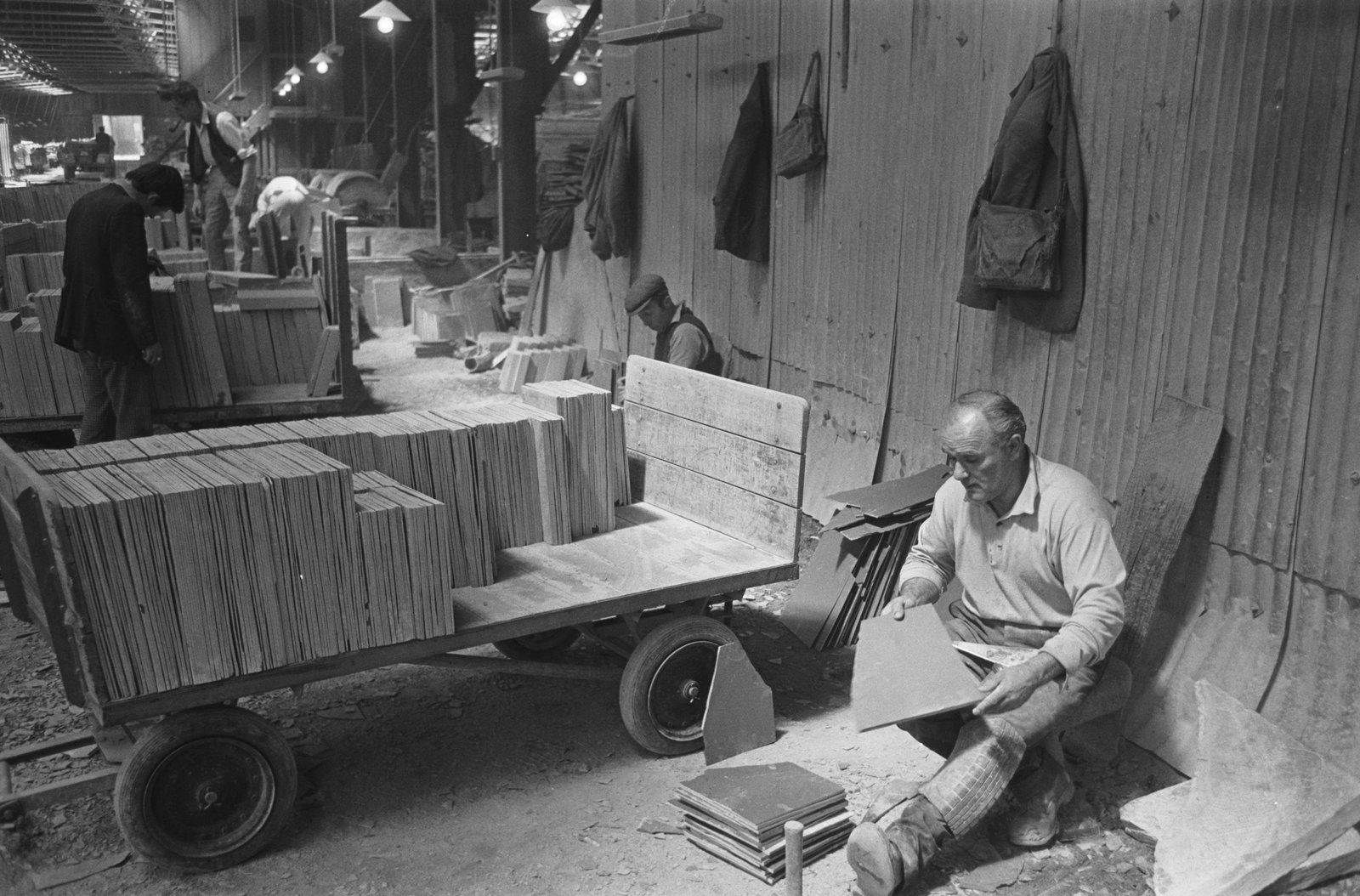
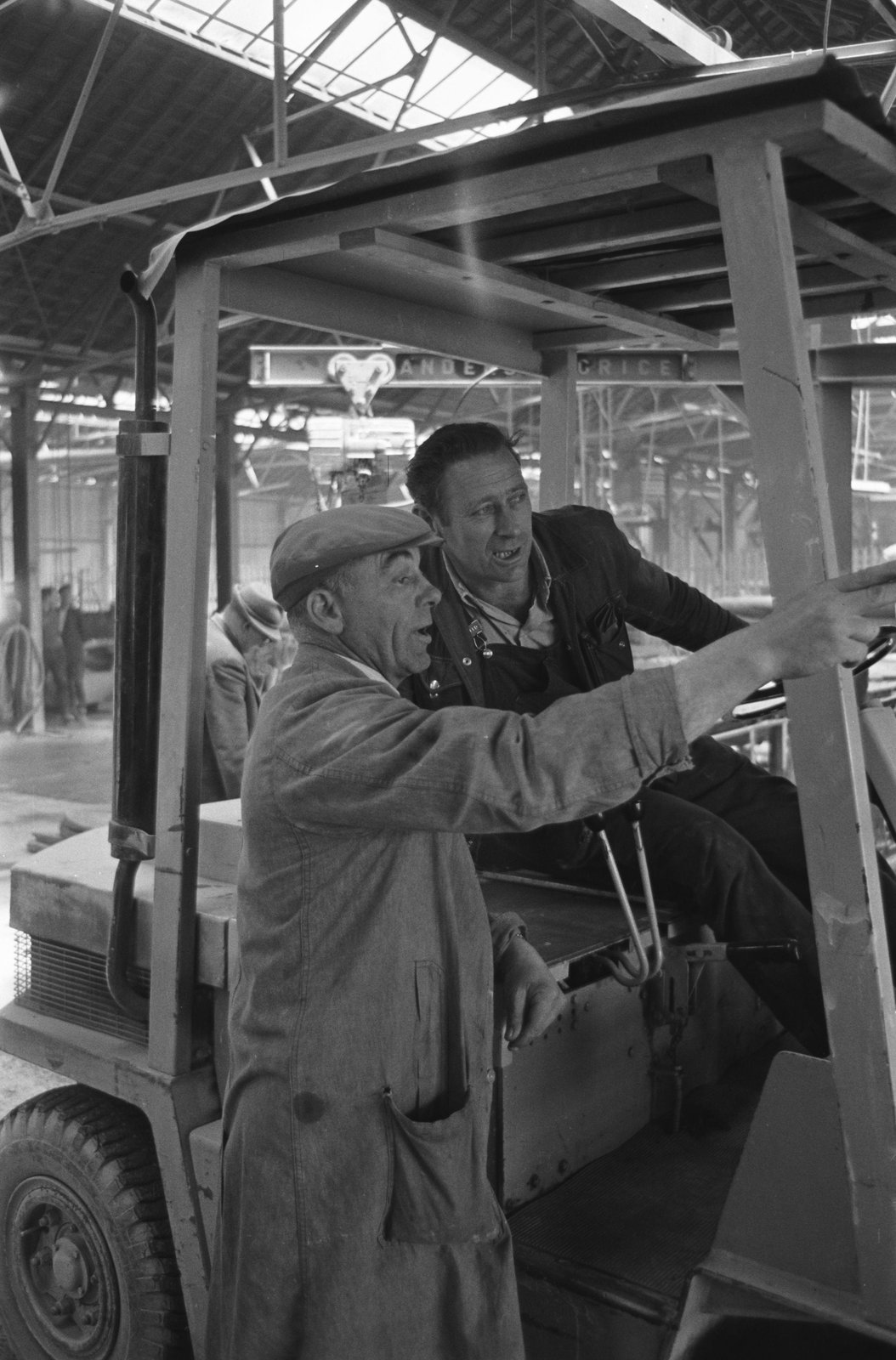
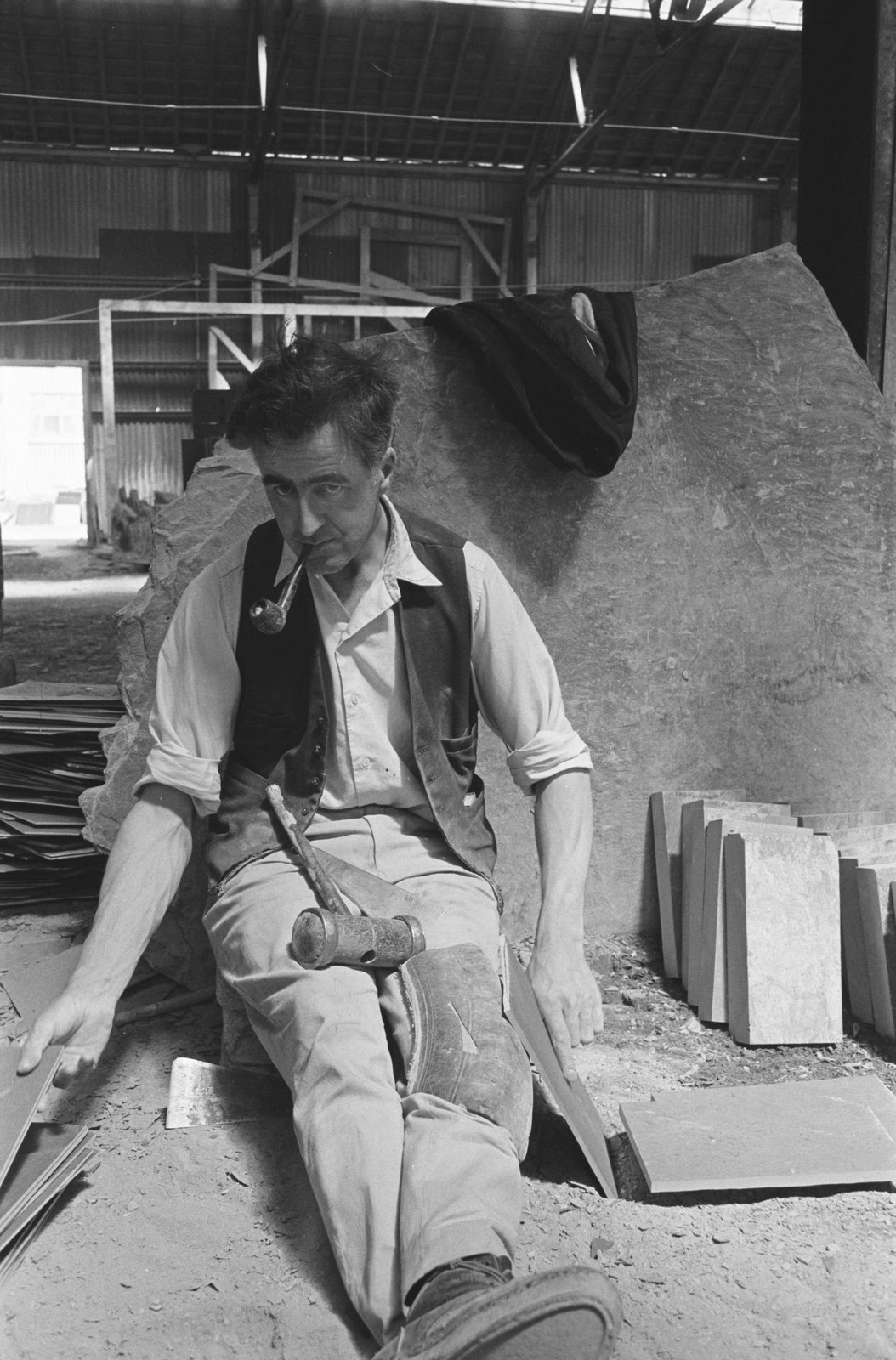
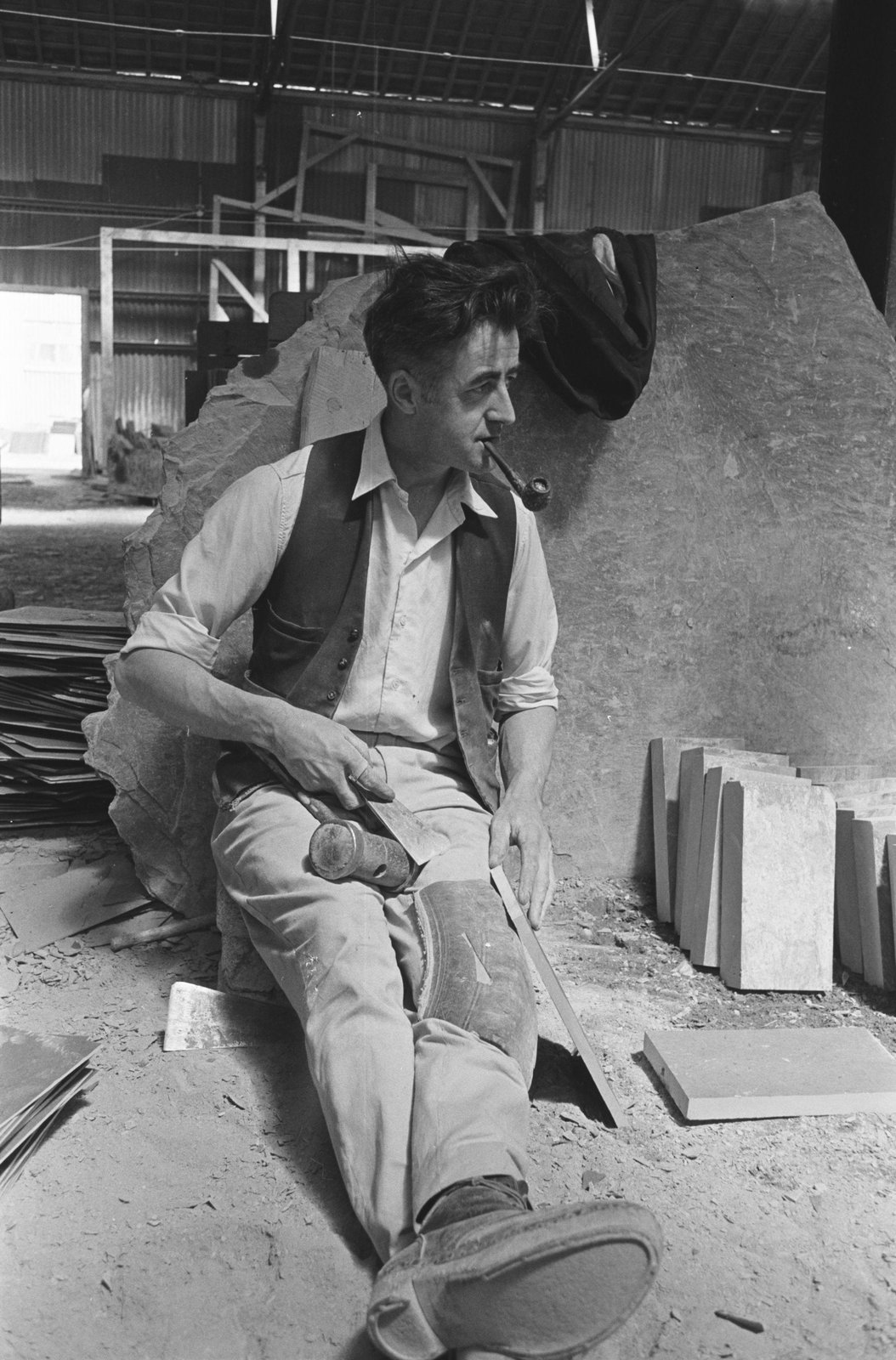
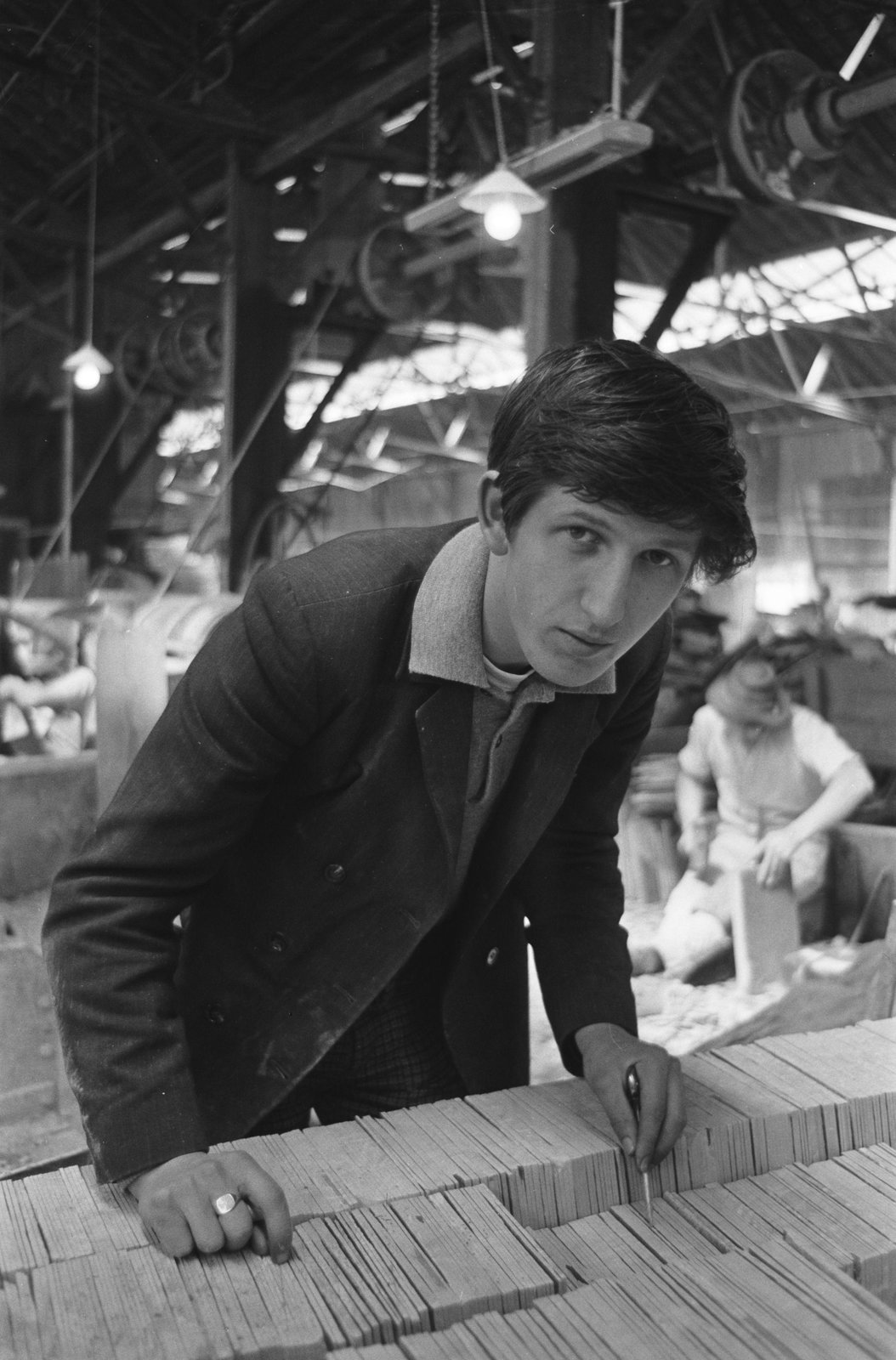
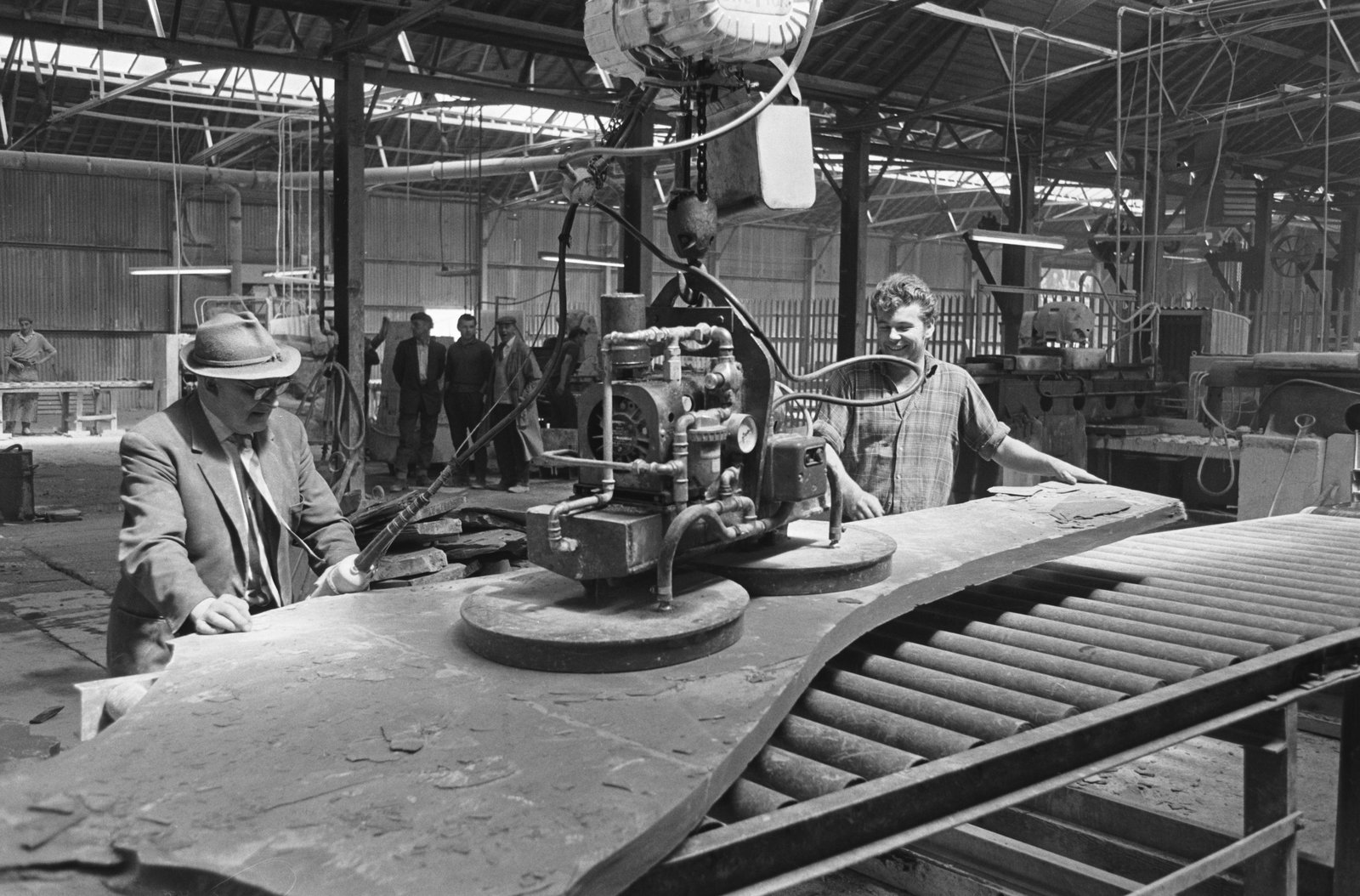
On the Garret side, mills and auxiliary buildings mostly survive, including the Australia mill with its 36 saw tables of the Turner pattern, where all trimming was done by hand. Nearby are a compressor house, loco shed, and weighbridge with original mechanism. Other mills and buildings across the site—compressor houses, weighbridges, and loco sheds—remain though stripped out in places.
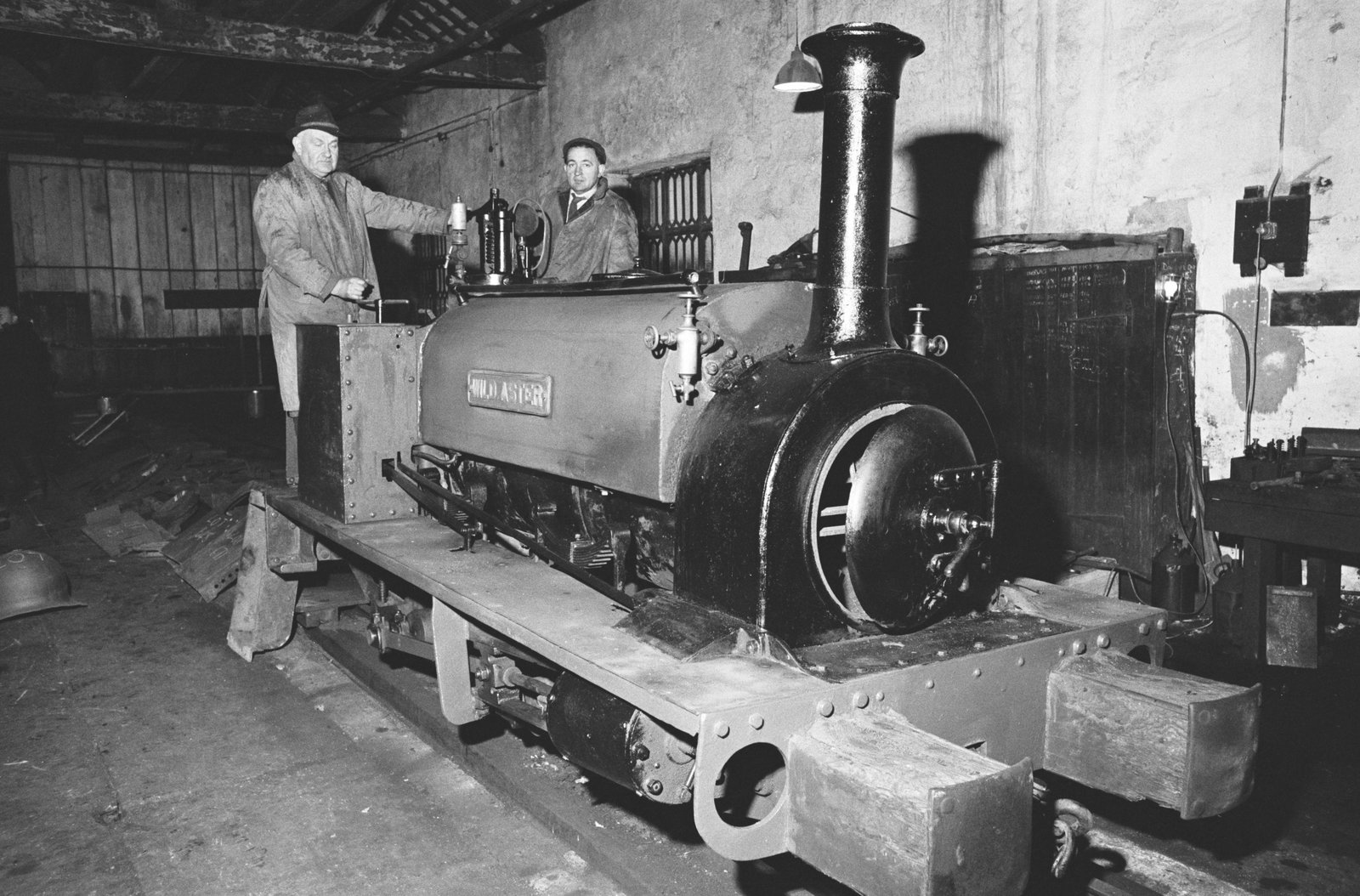
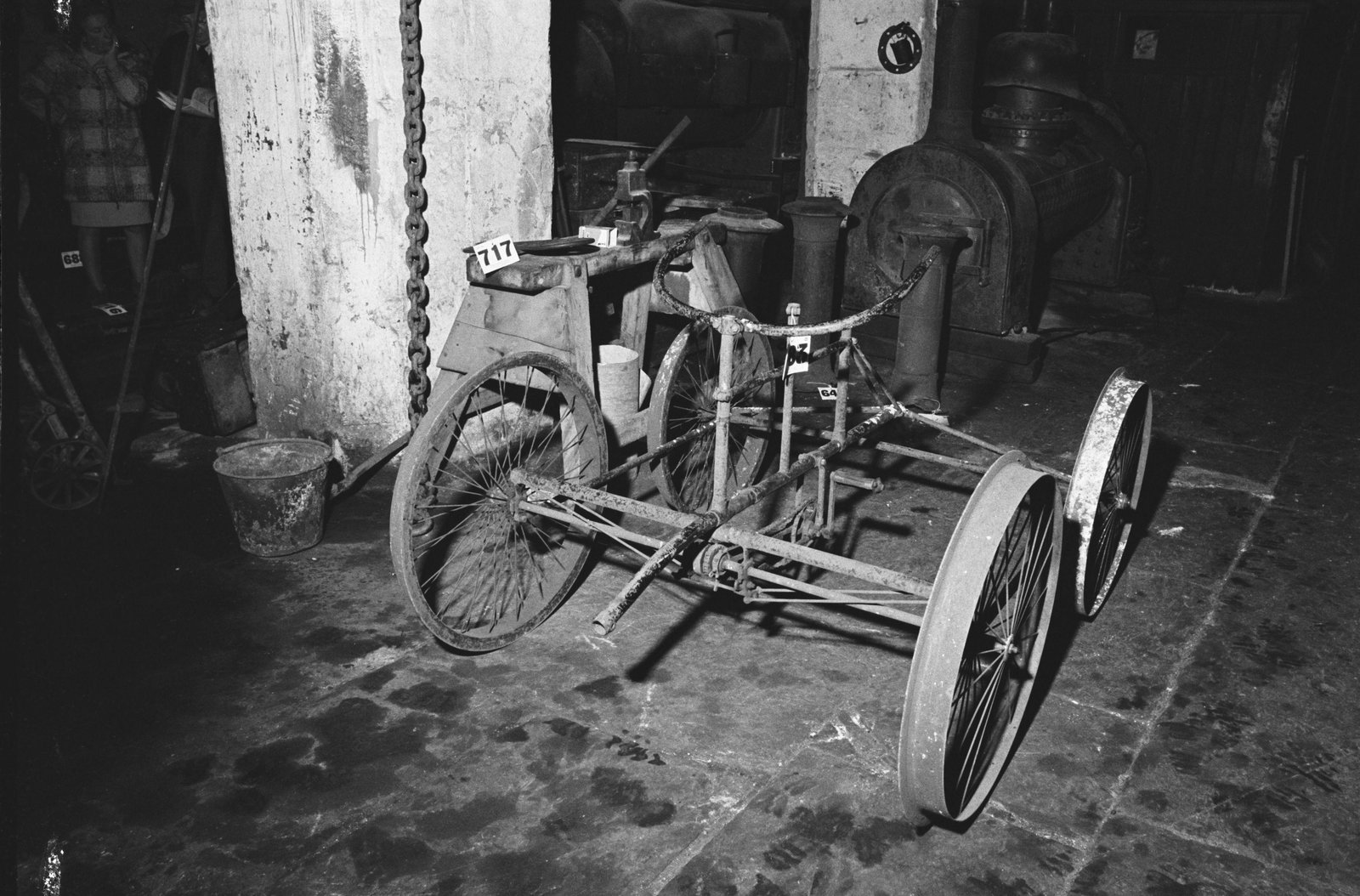
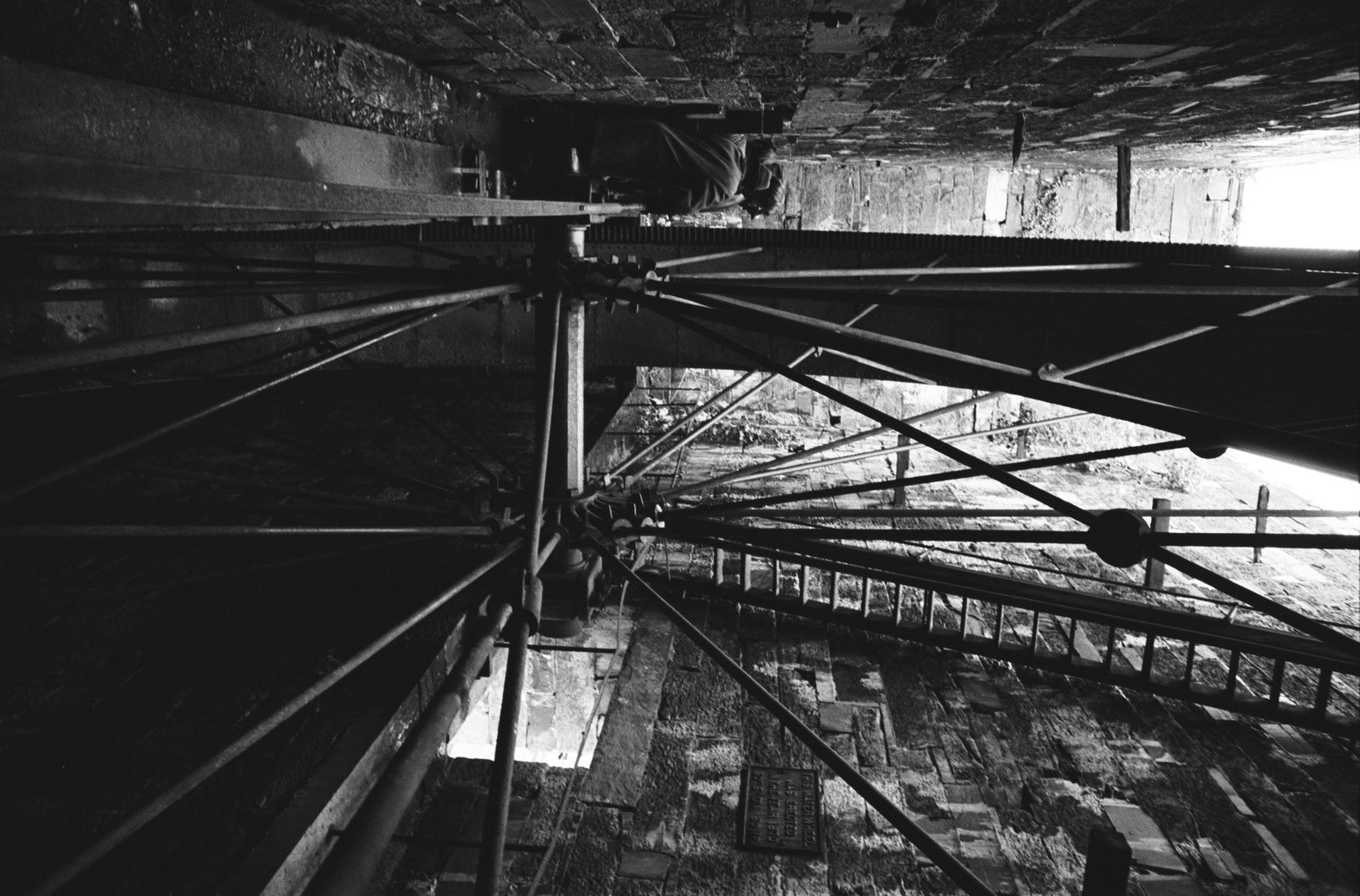
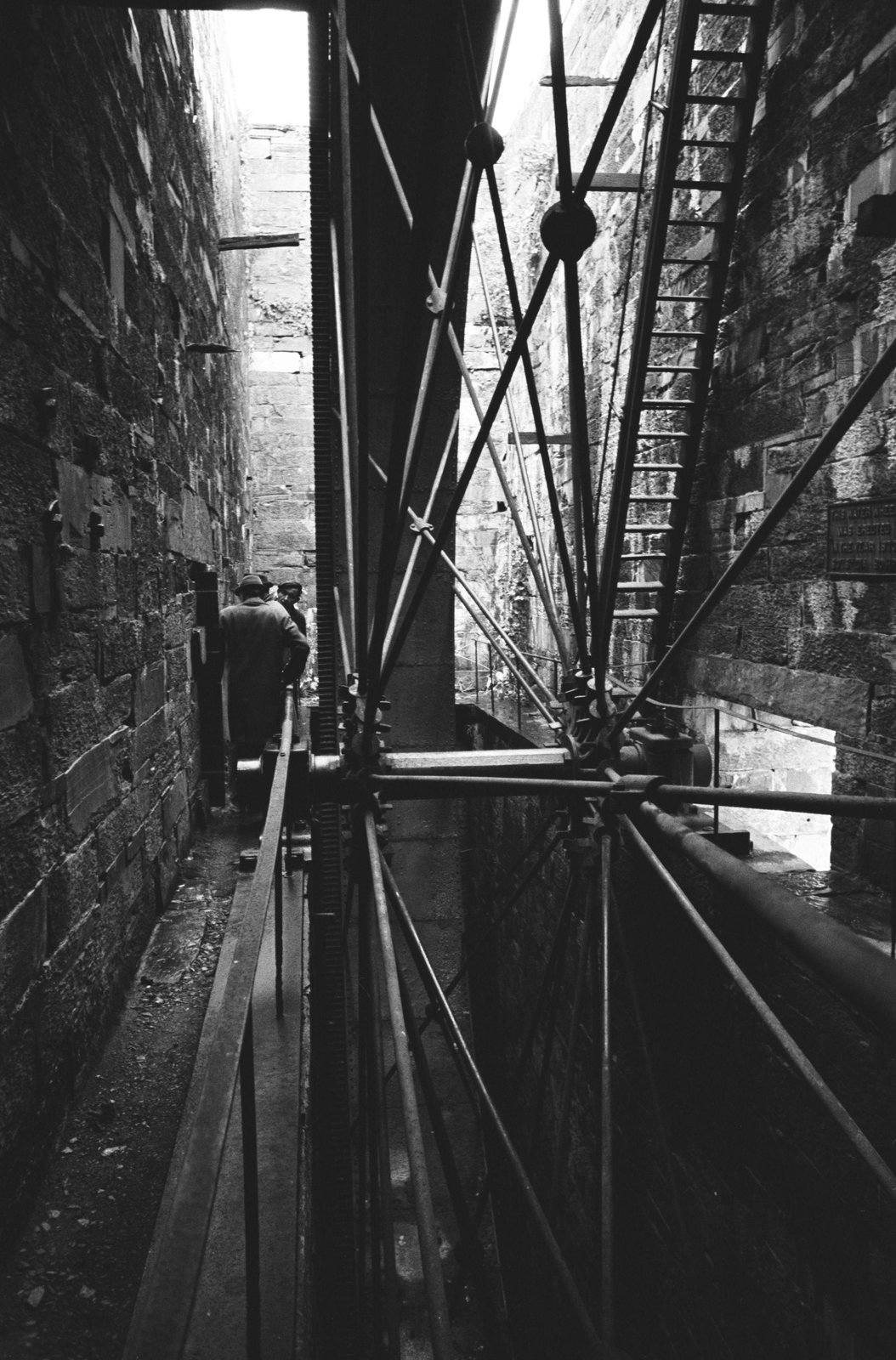
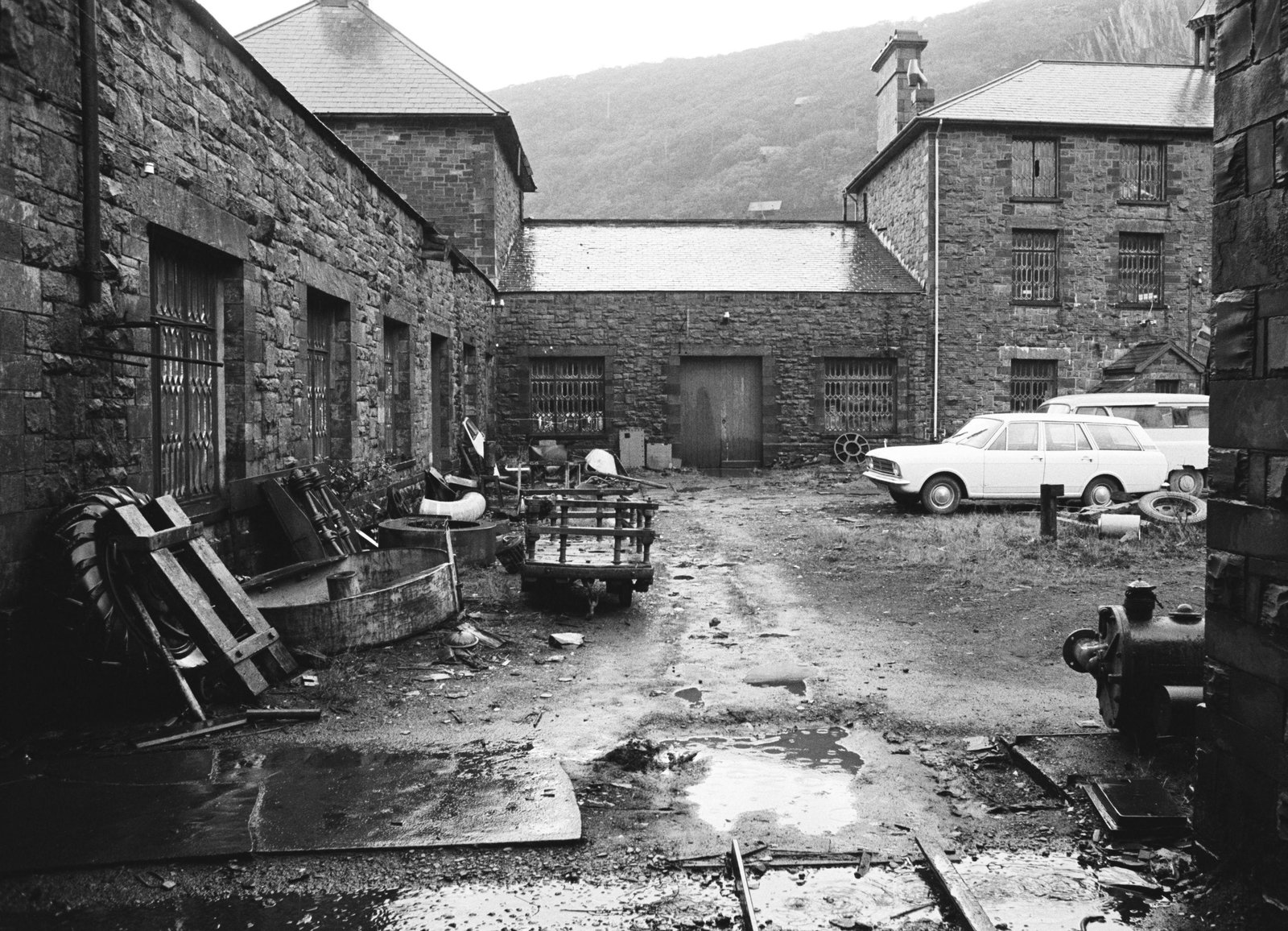
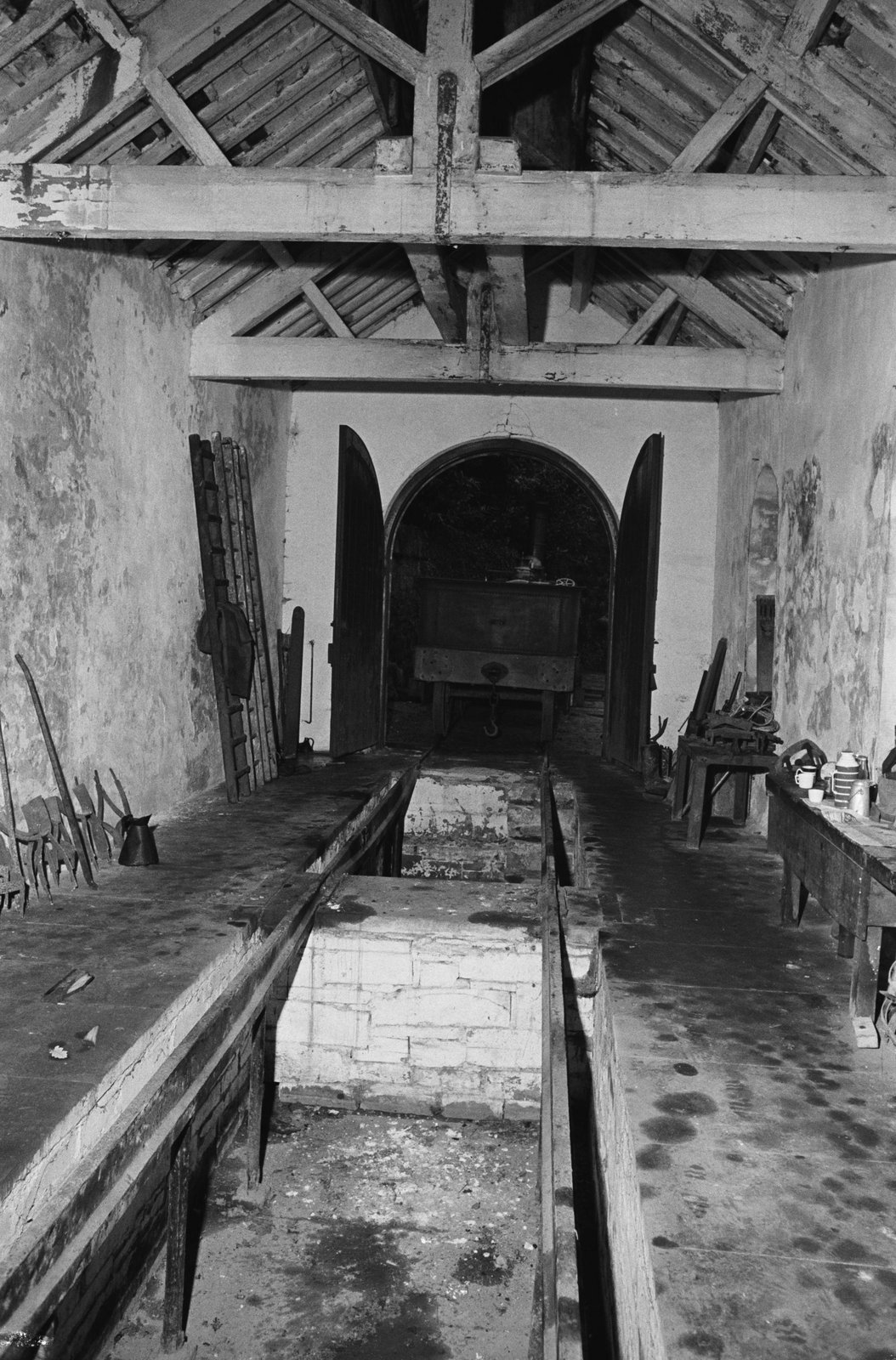
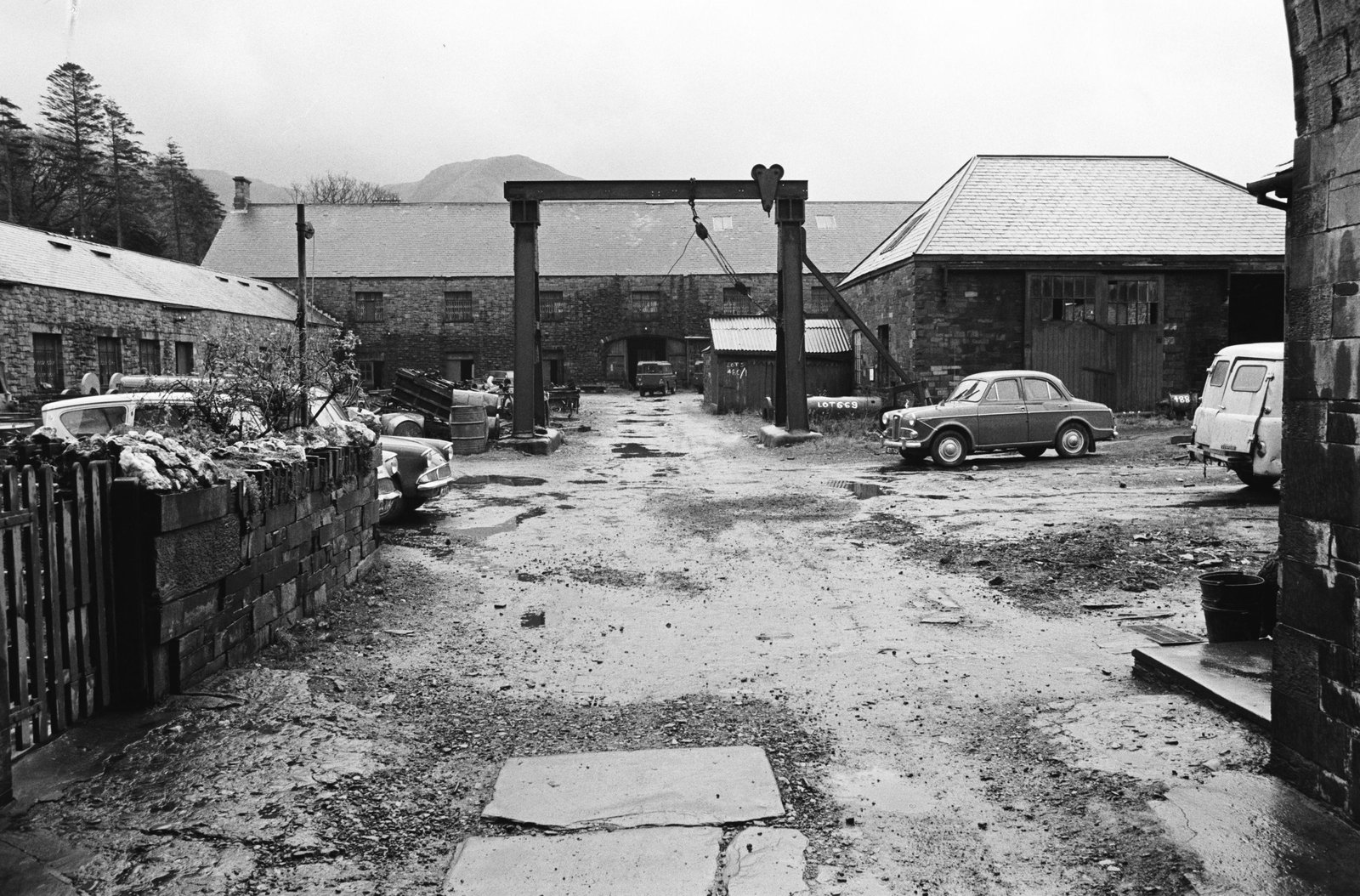
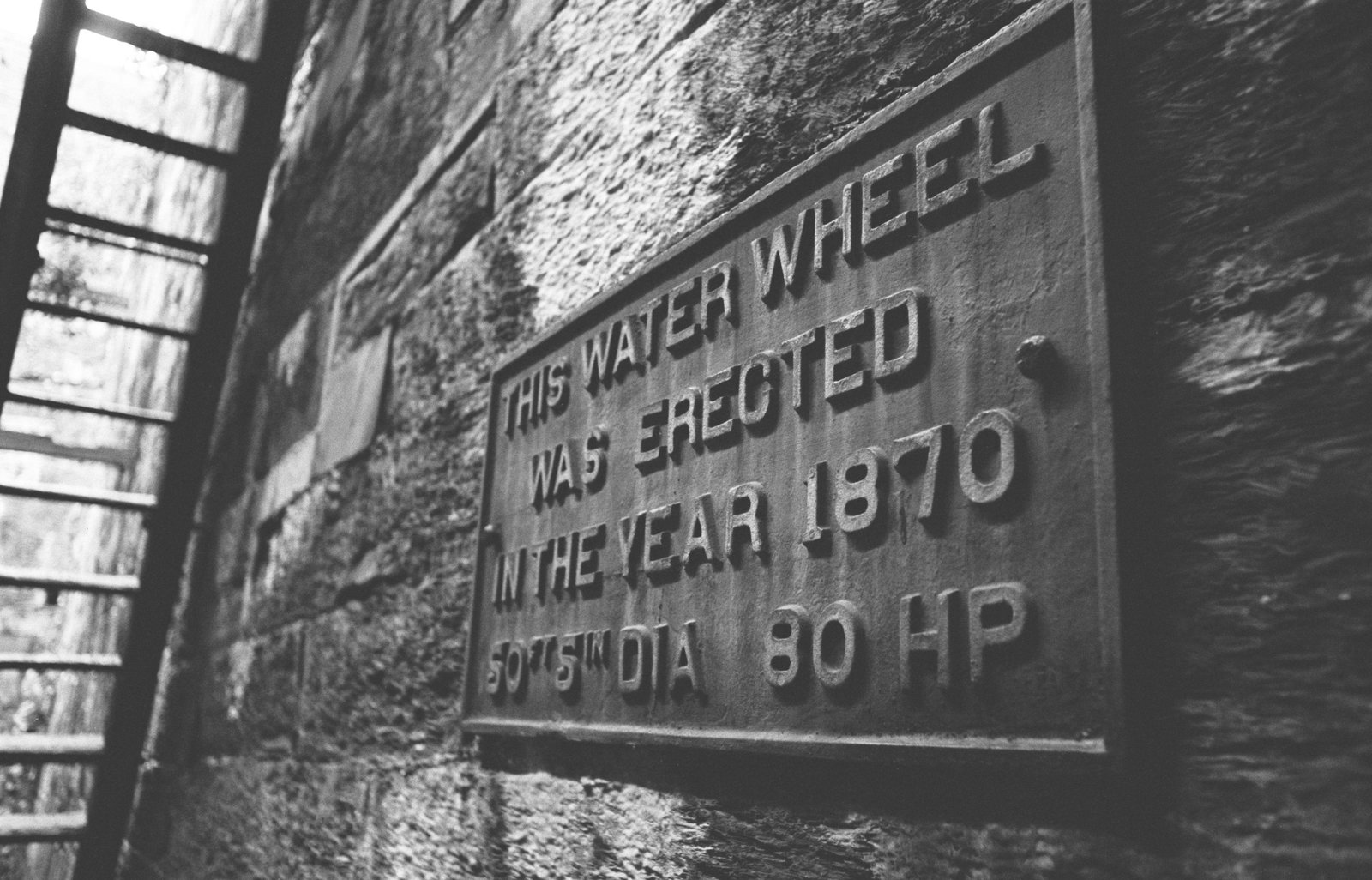
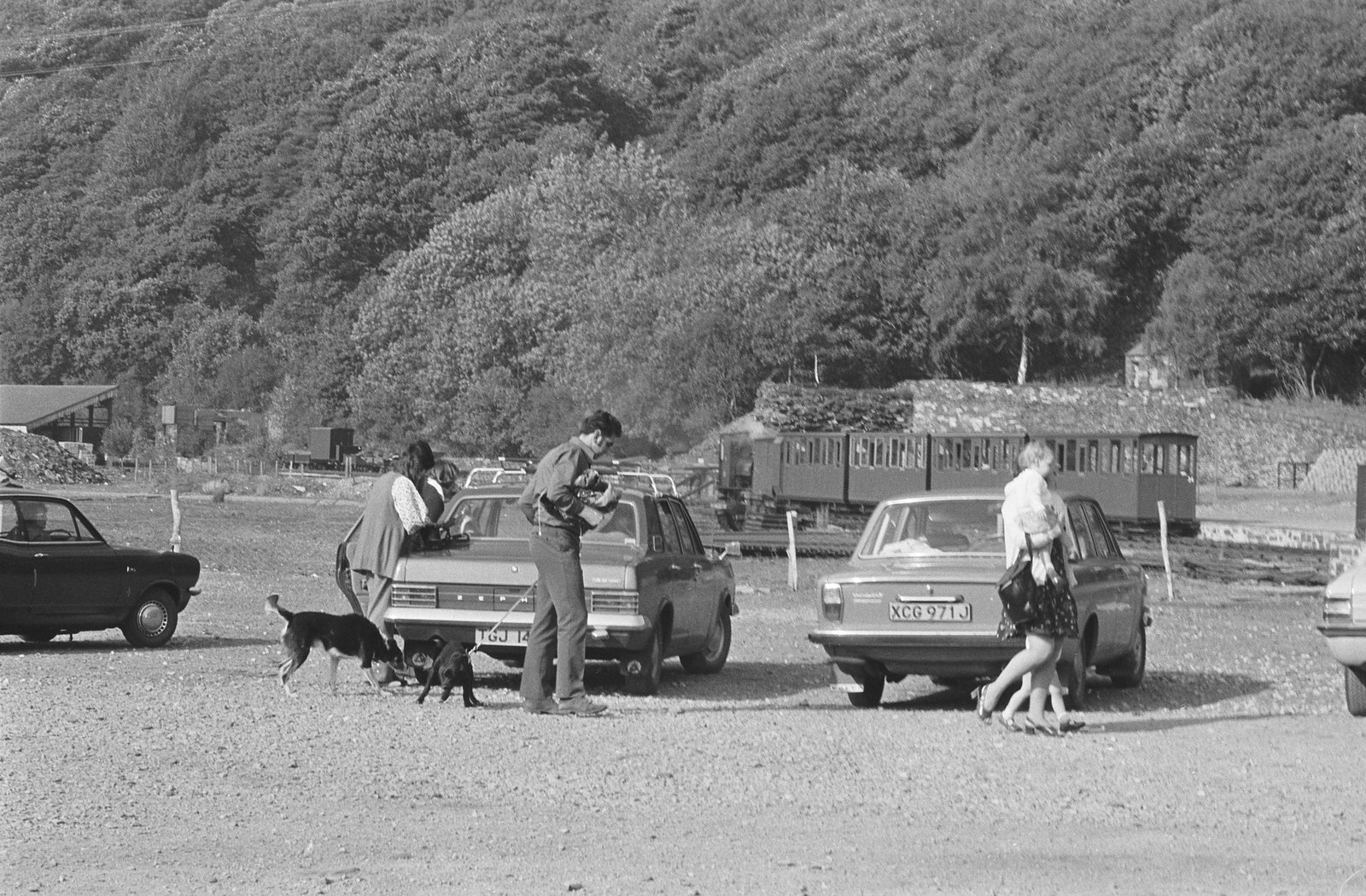
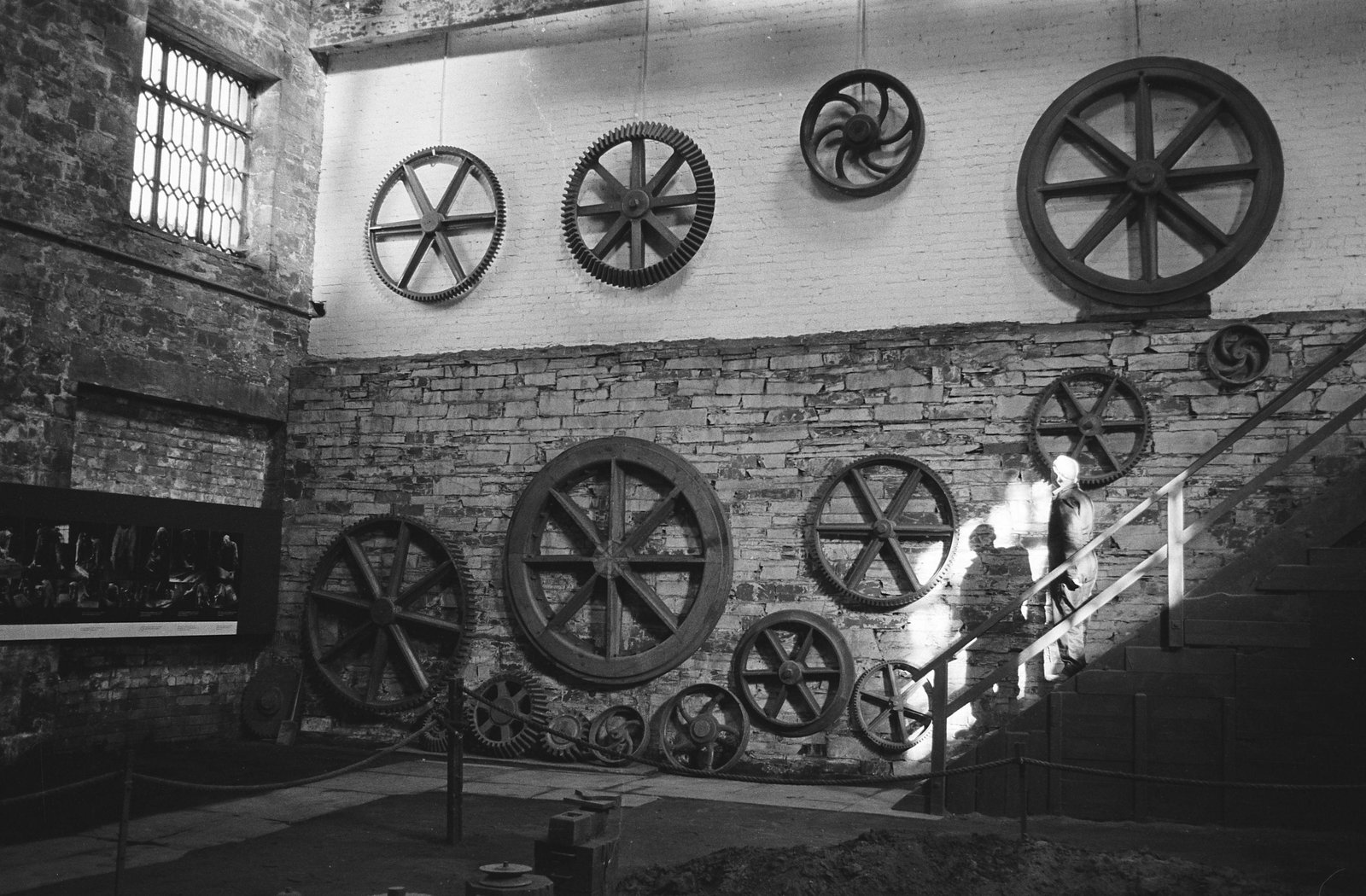
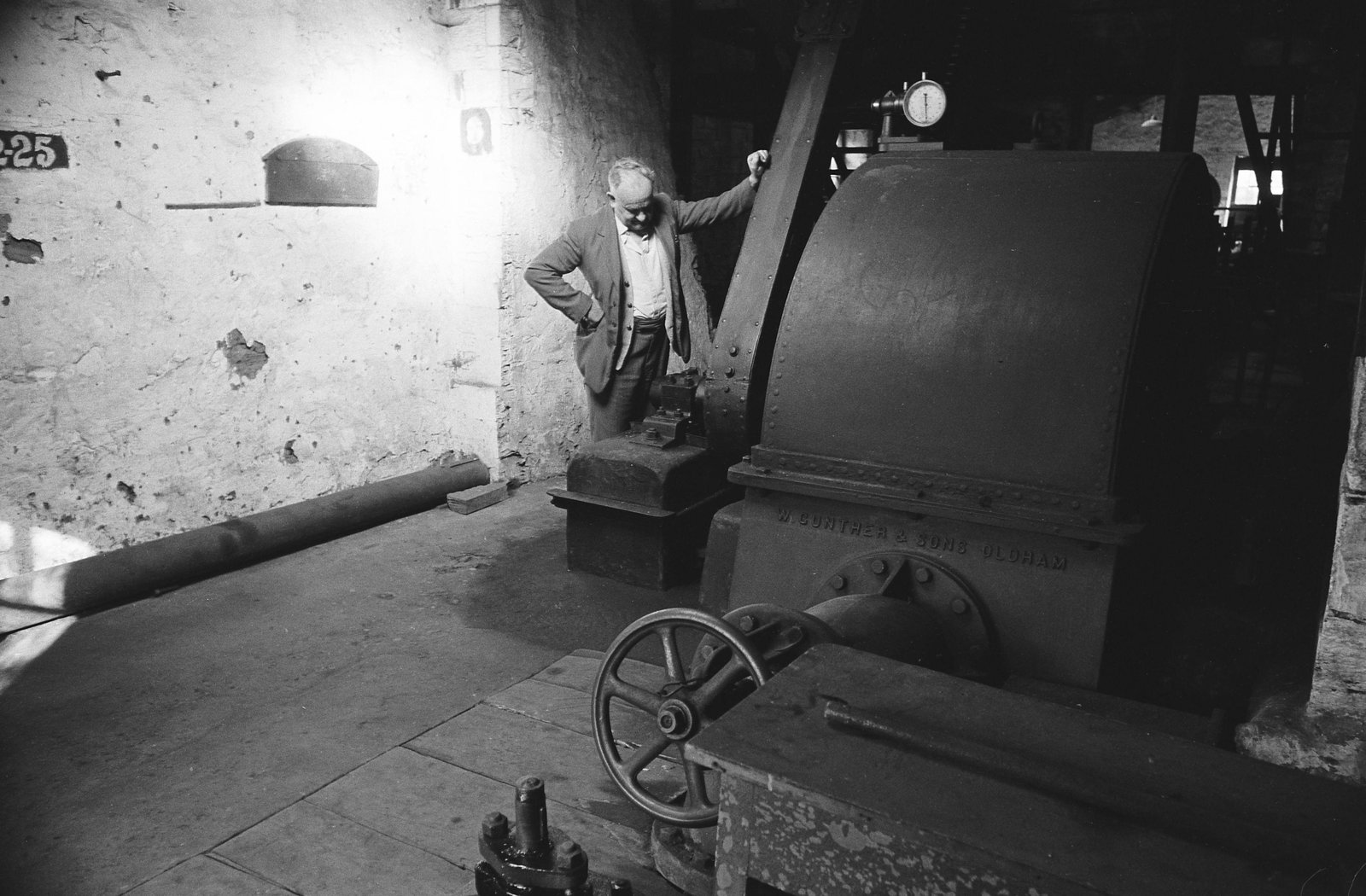
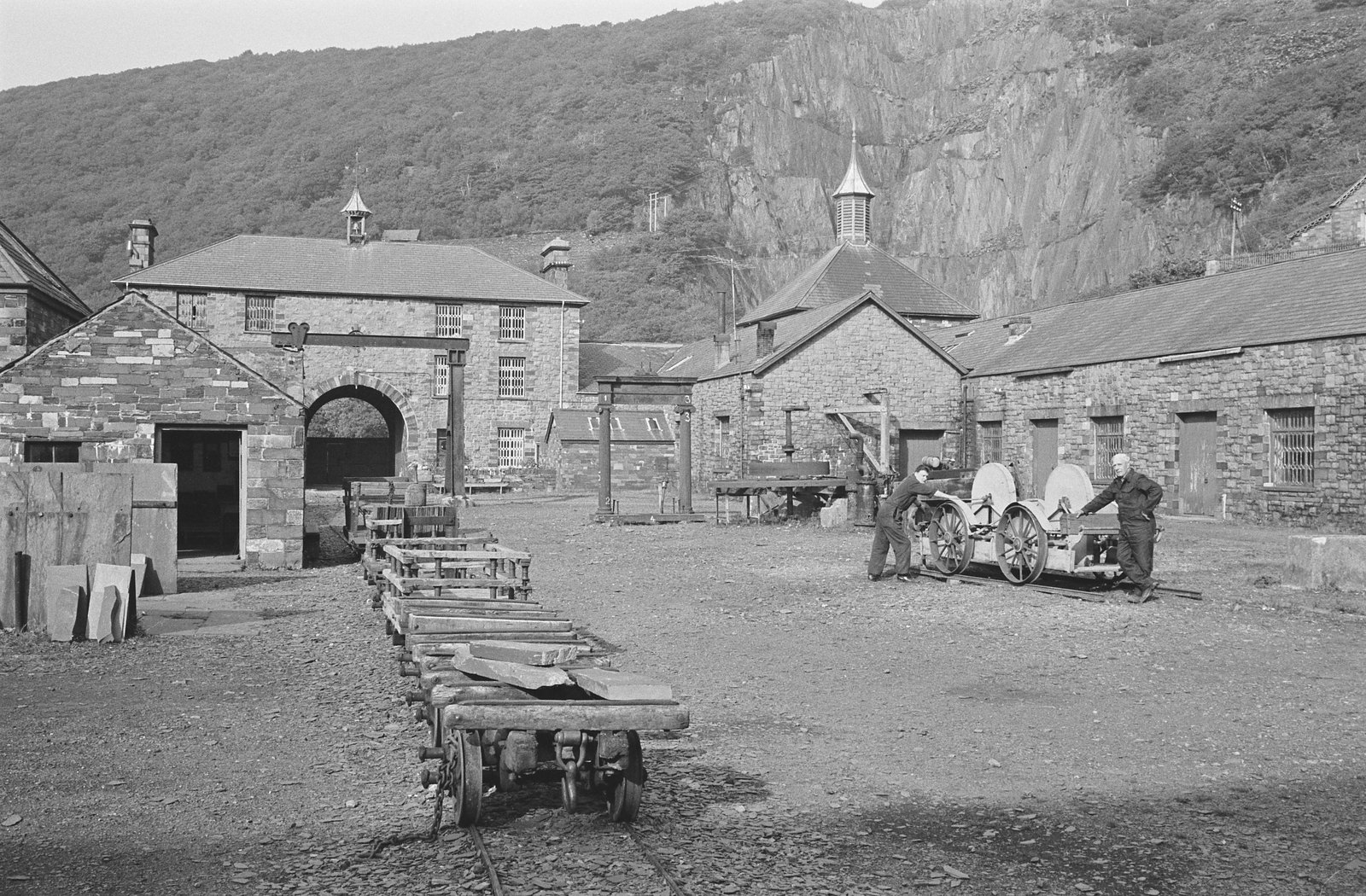
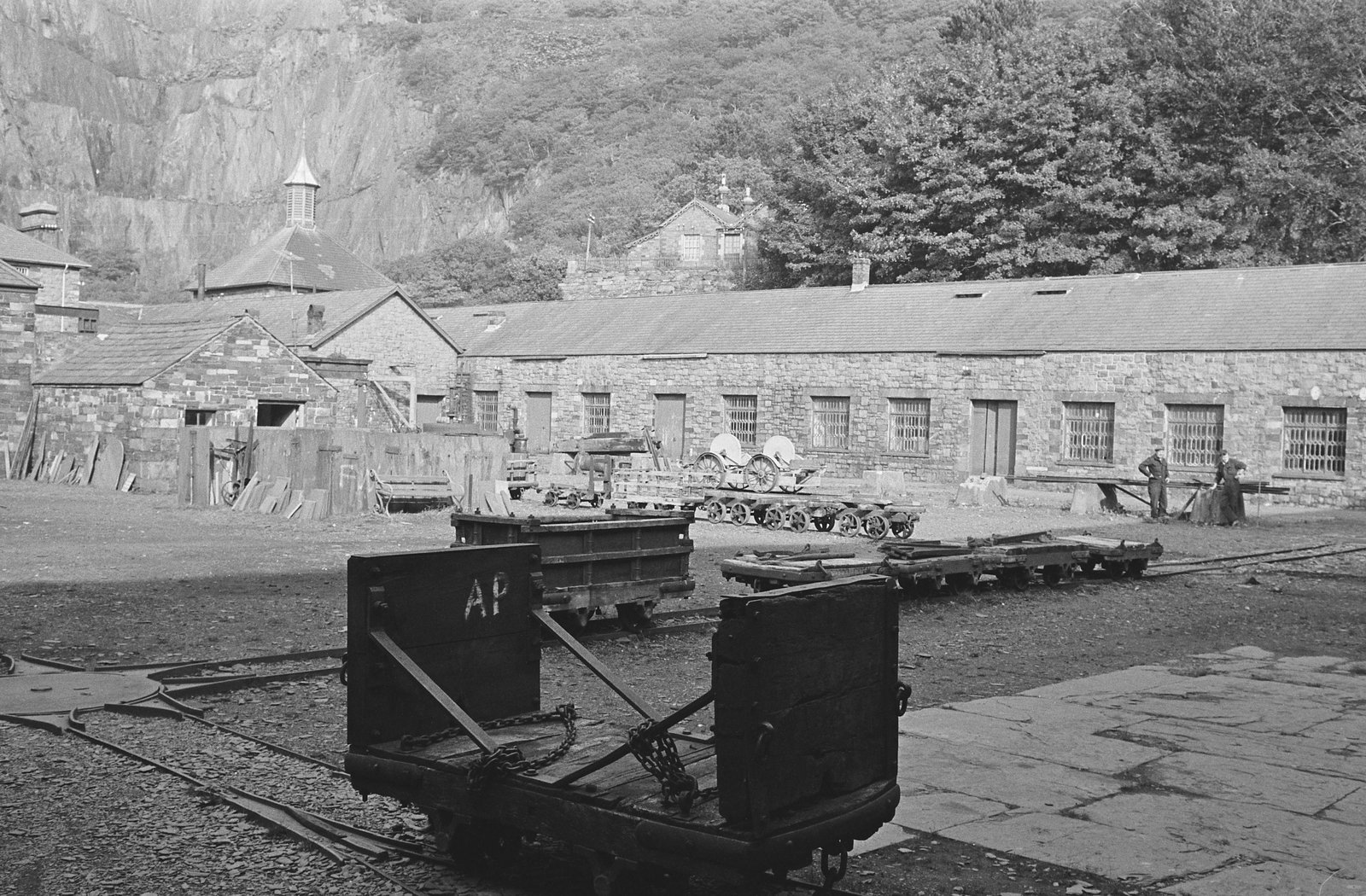
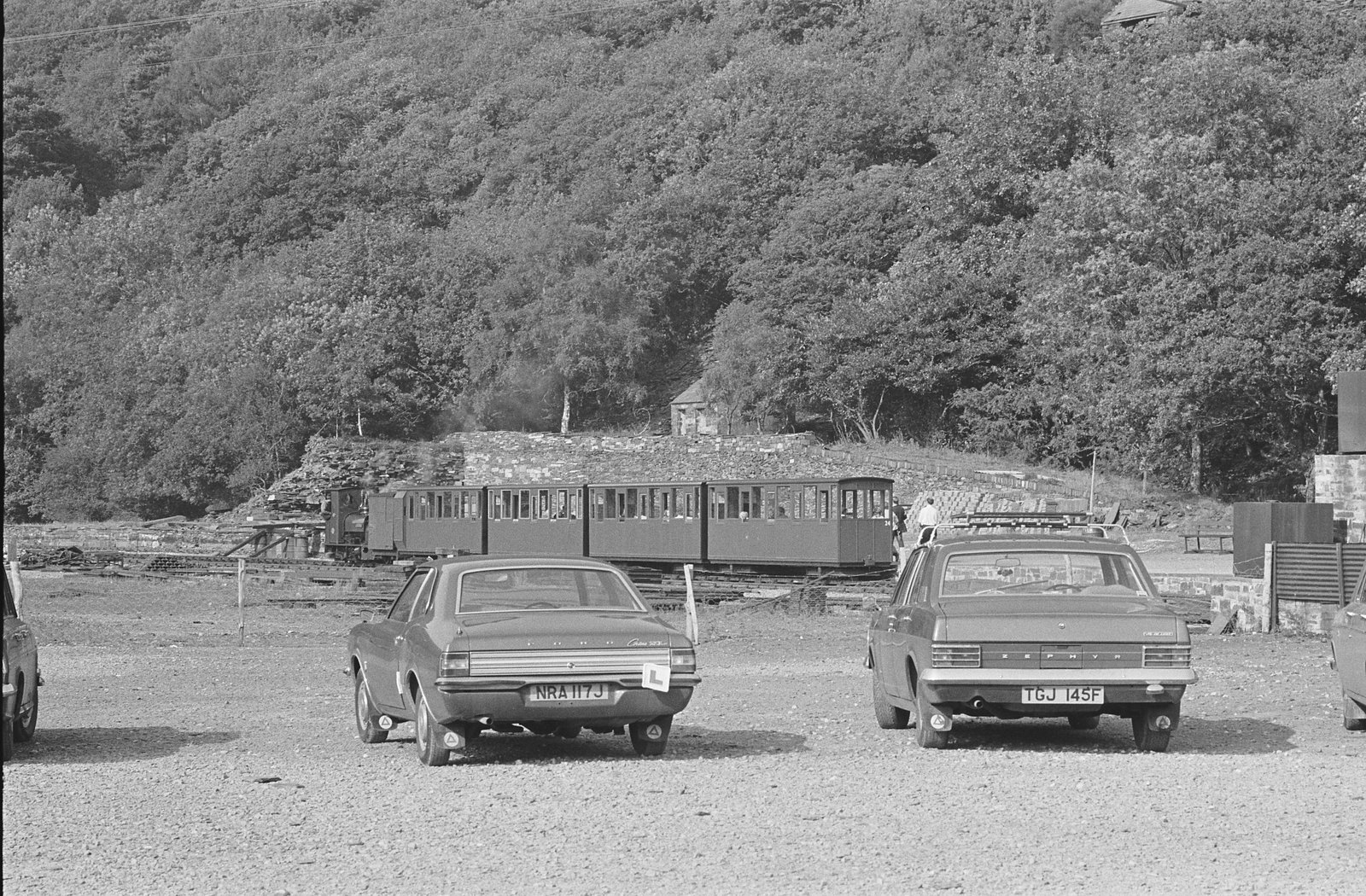
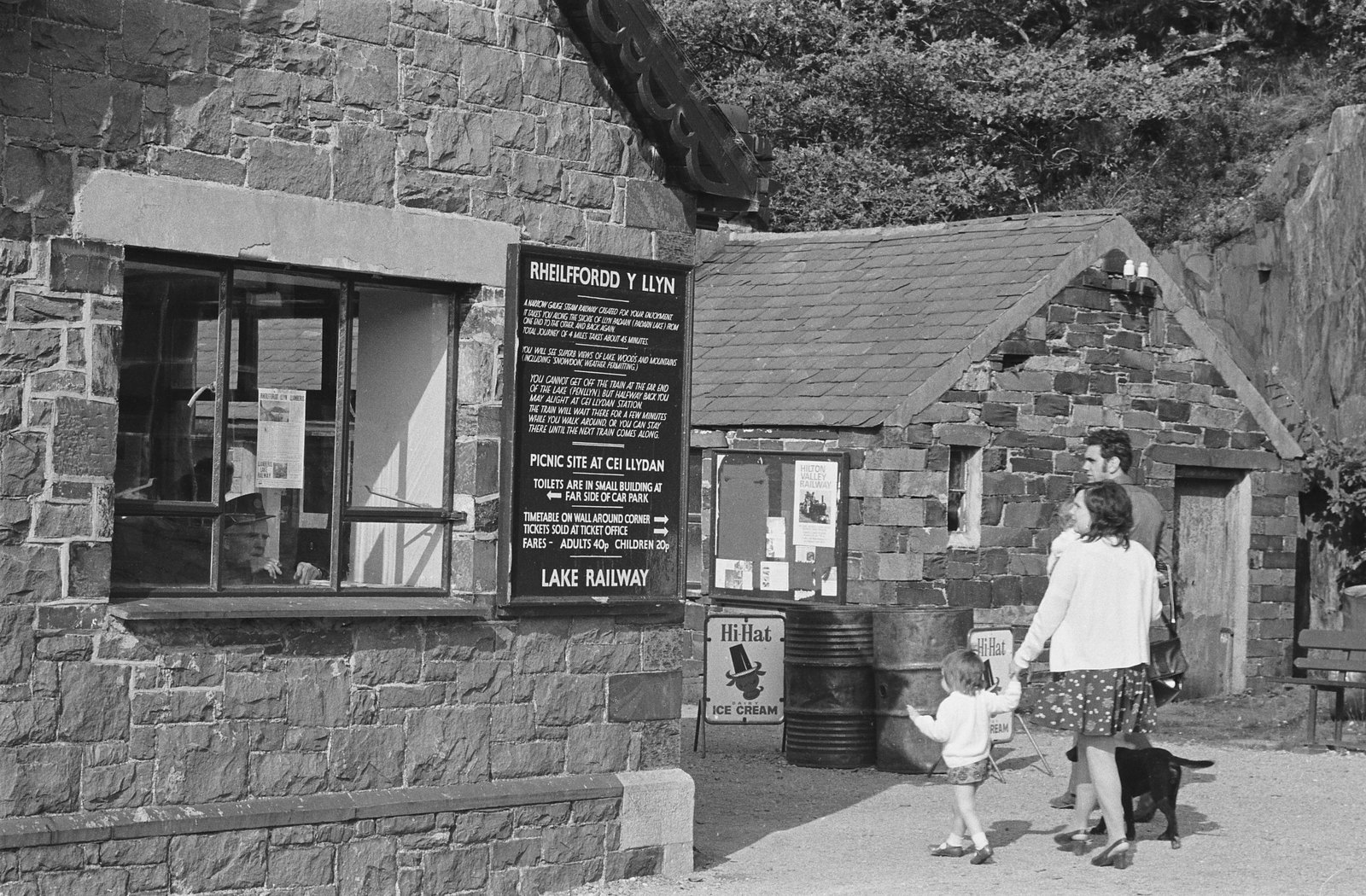
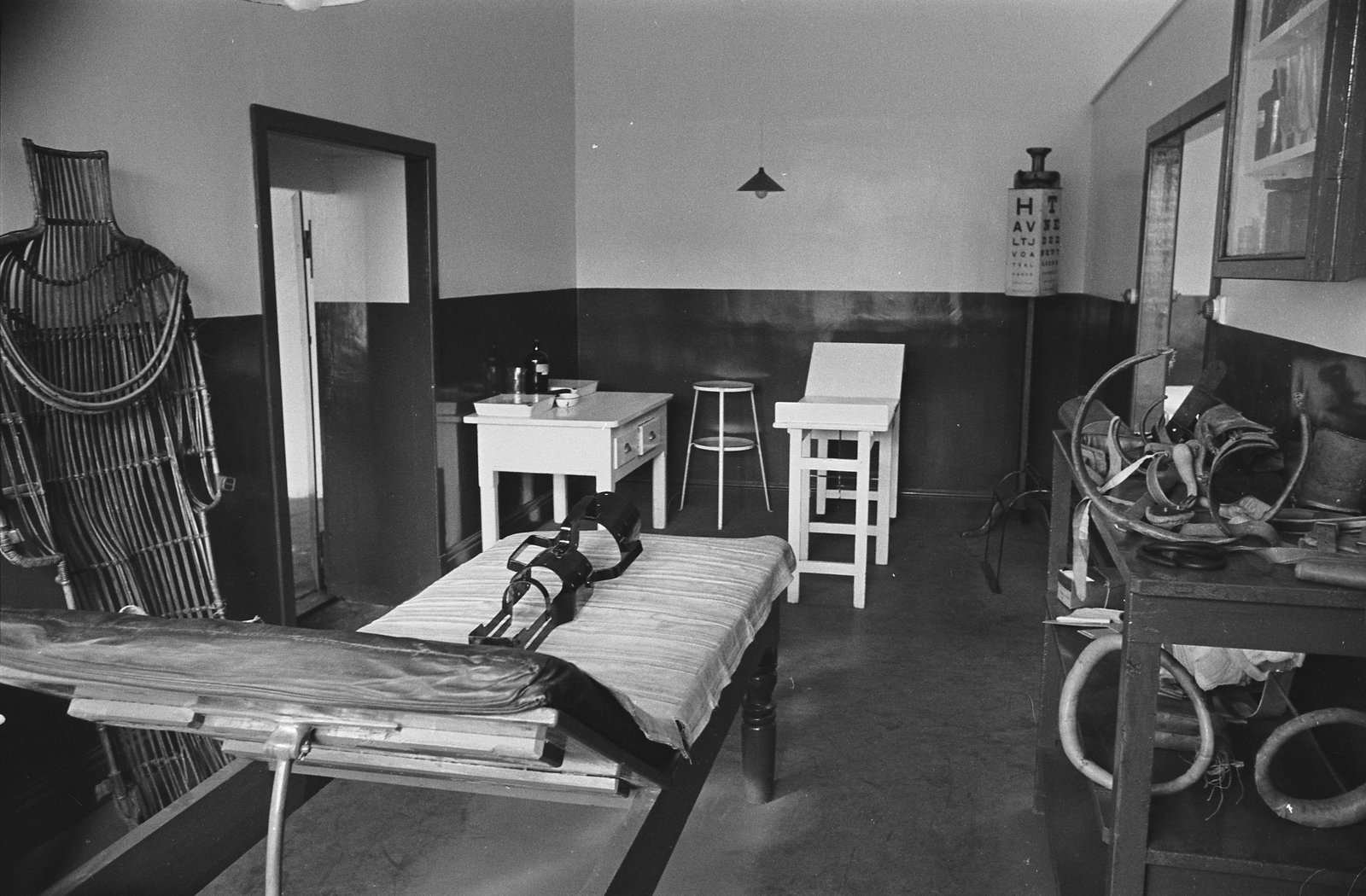
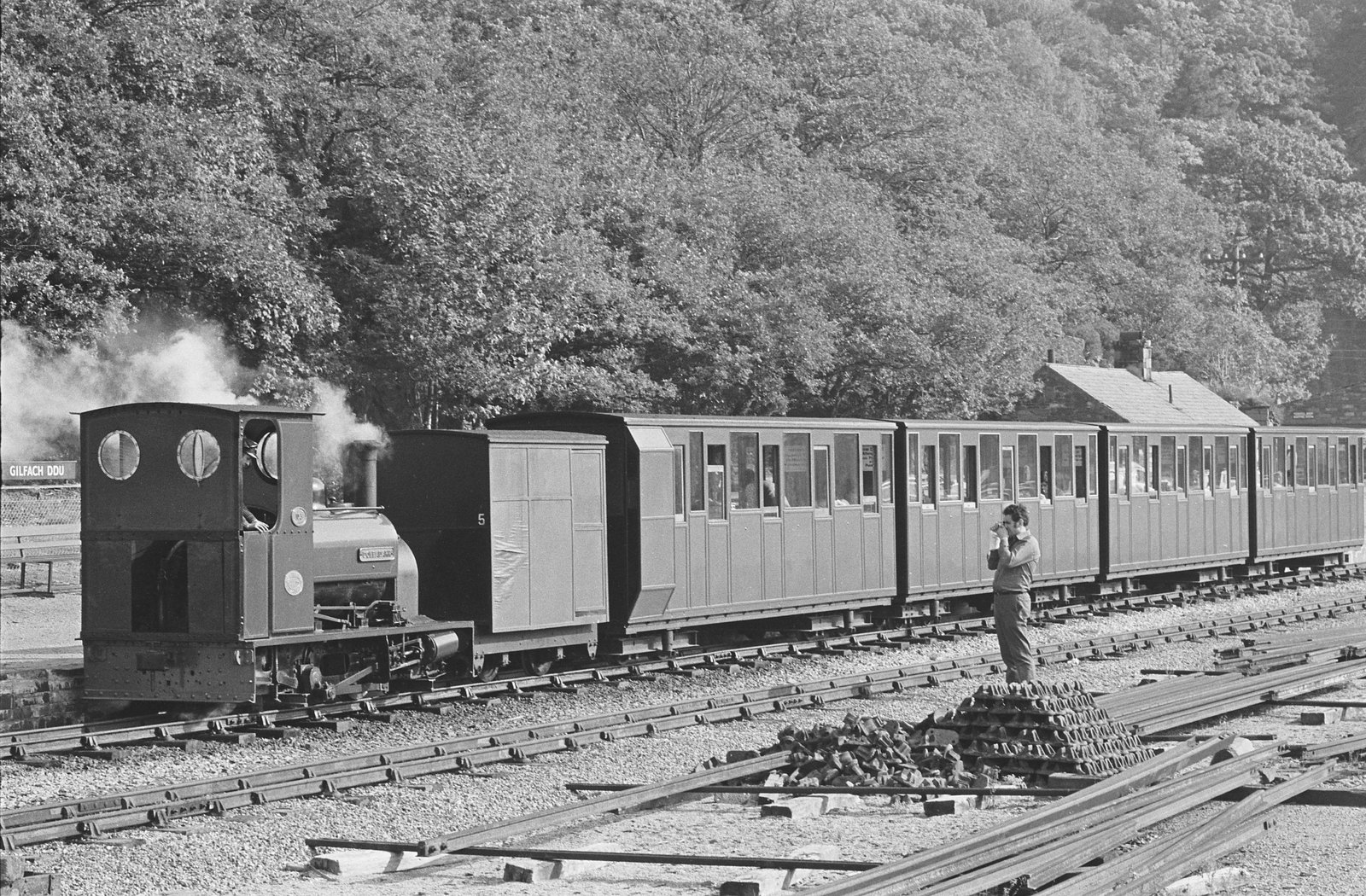
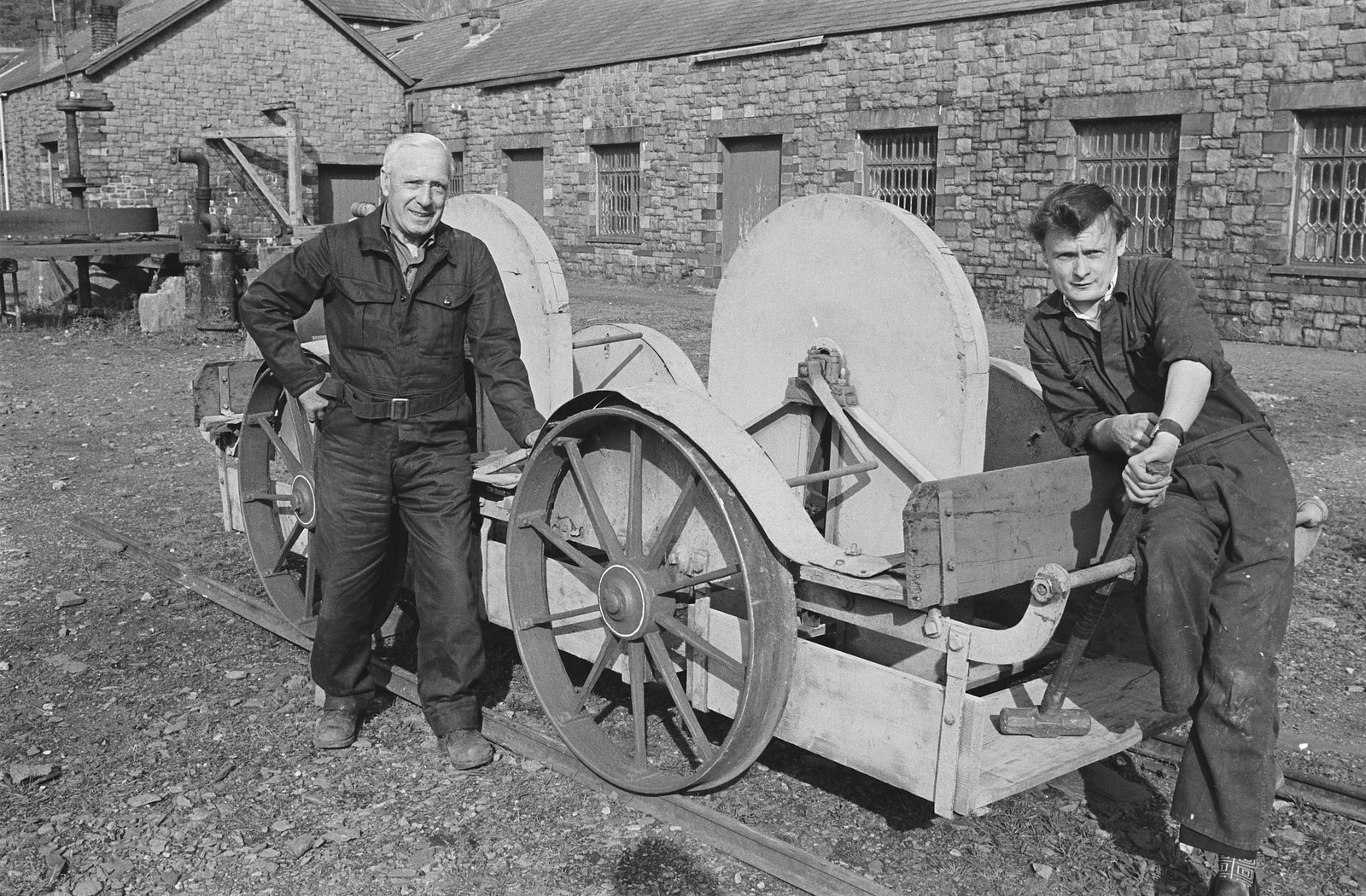
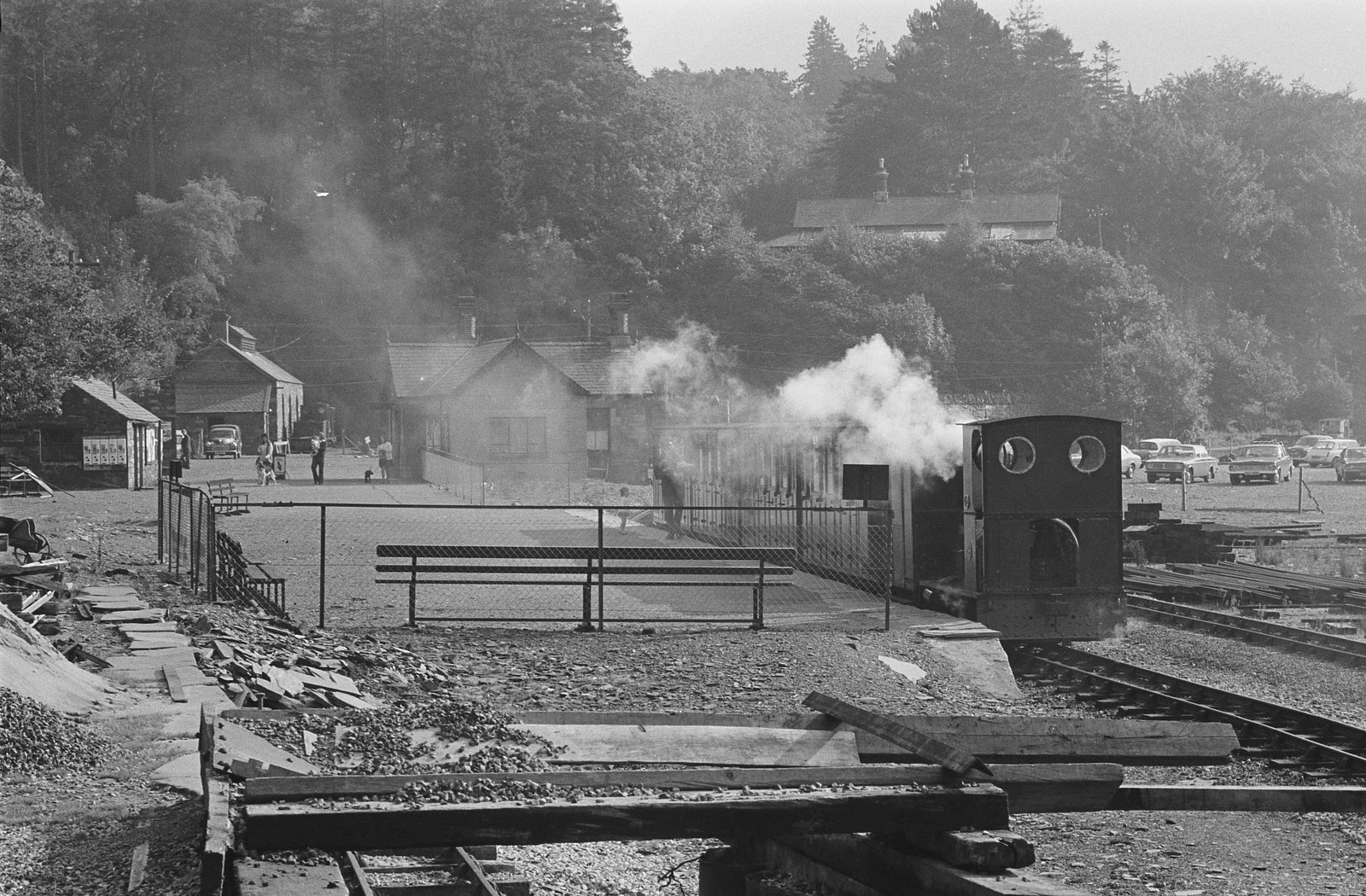
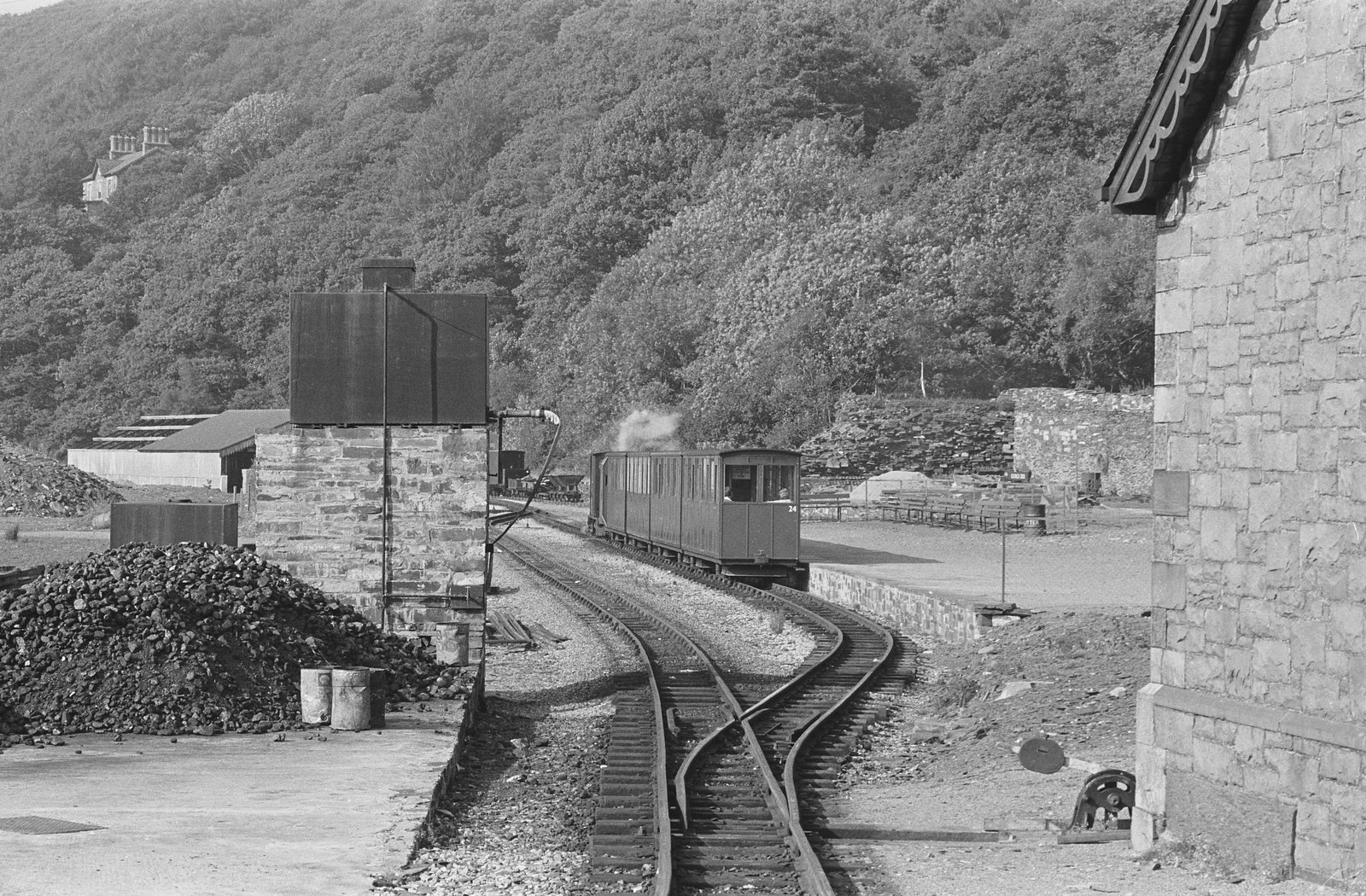
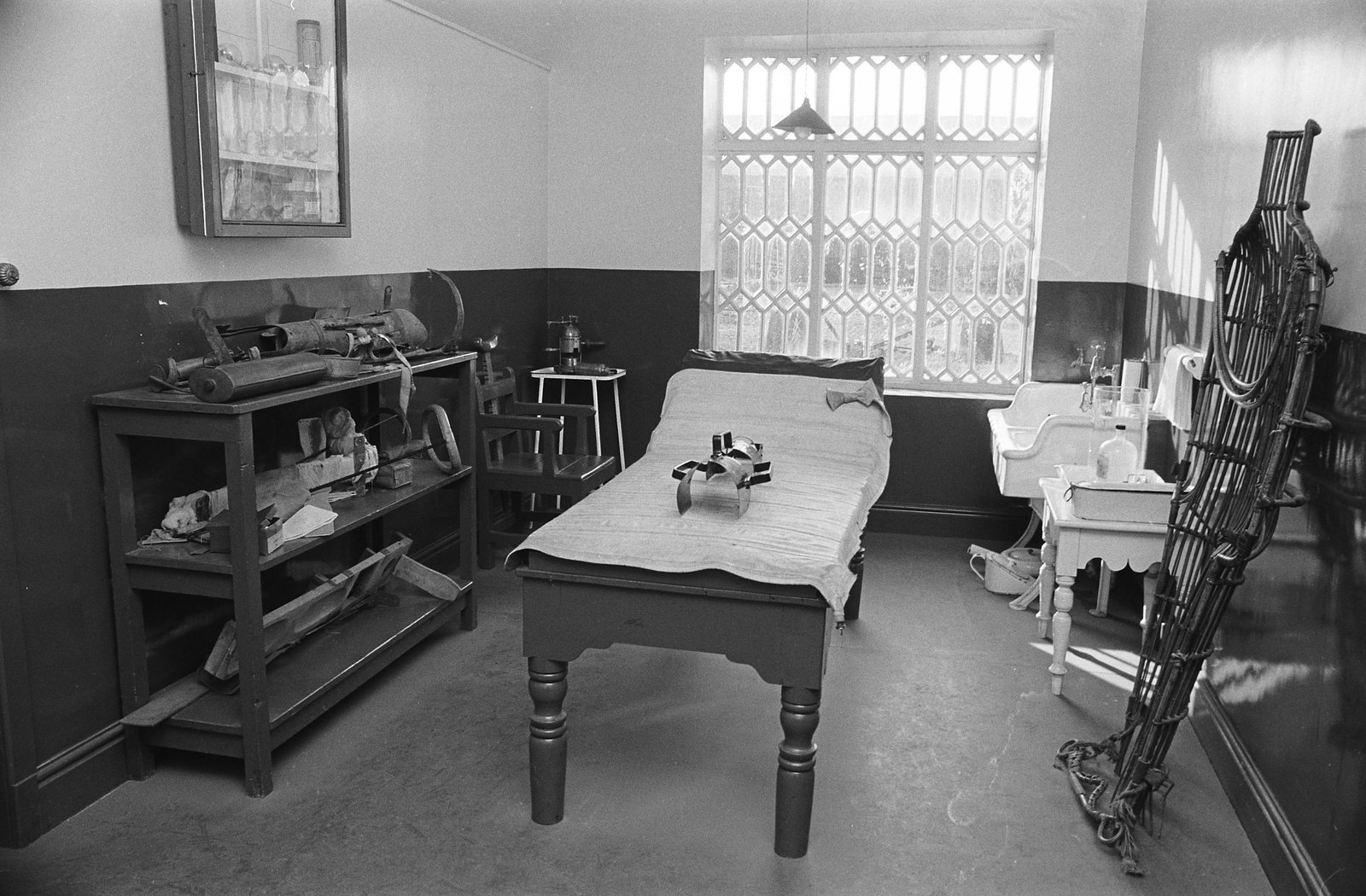
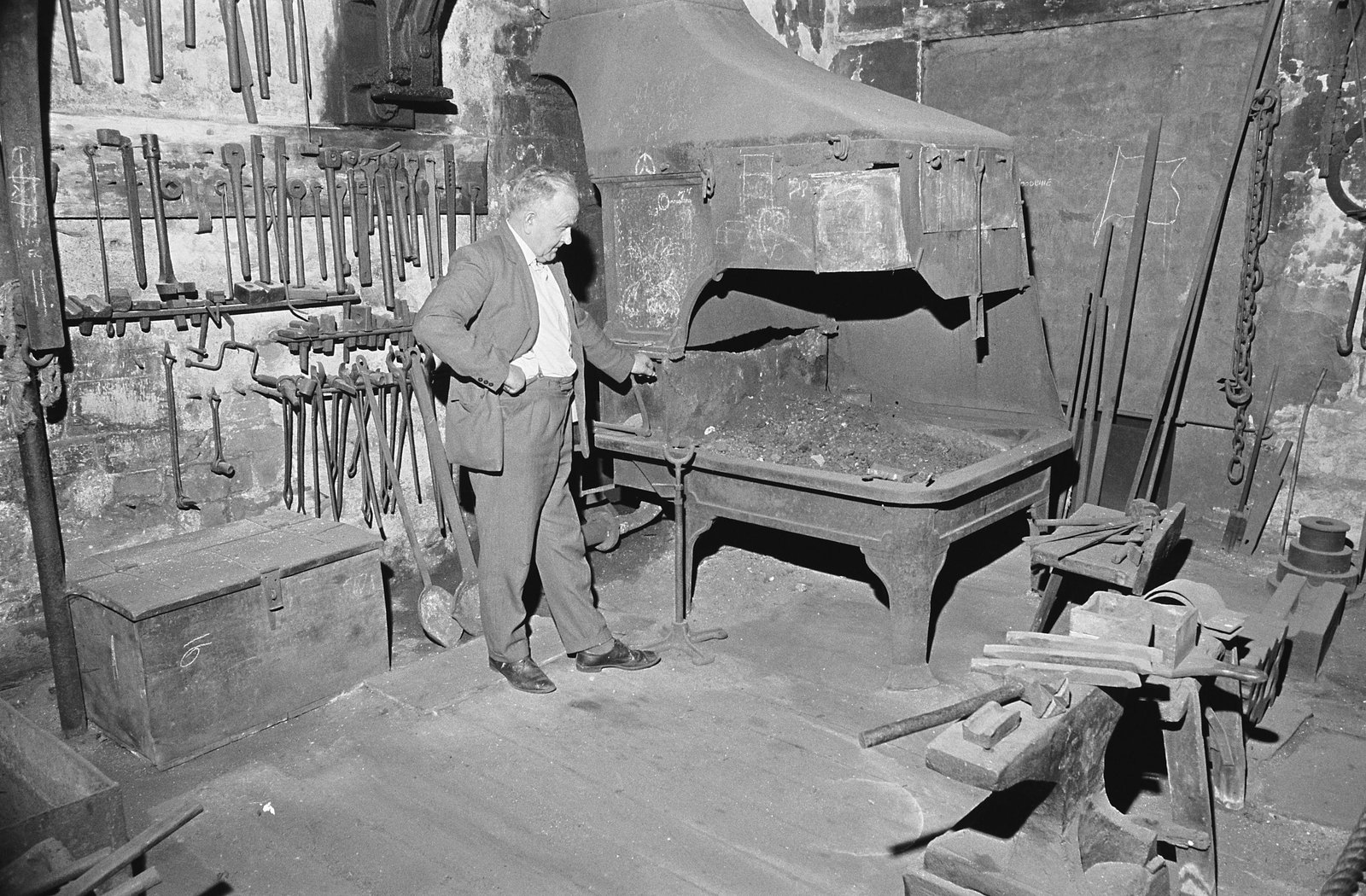
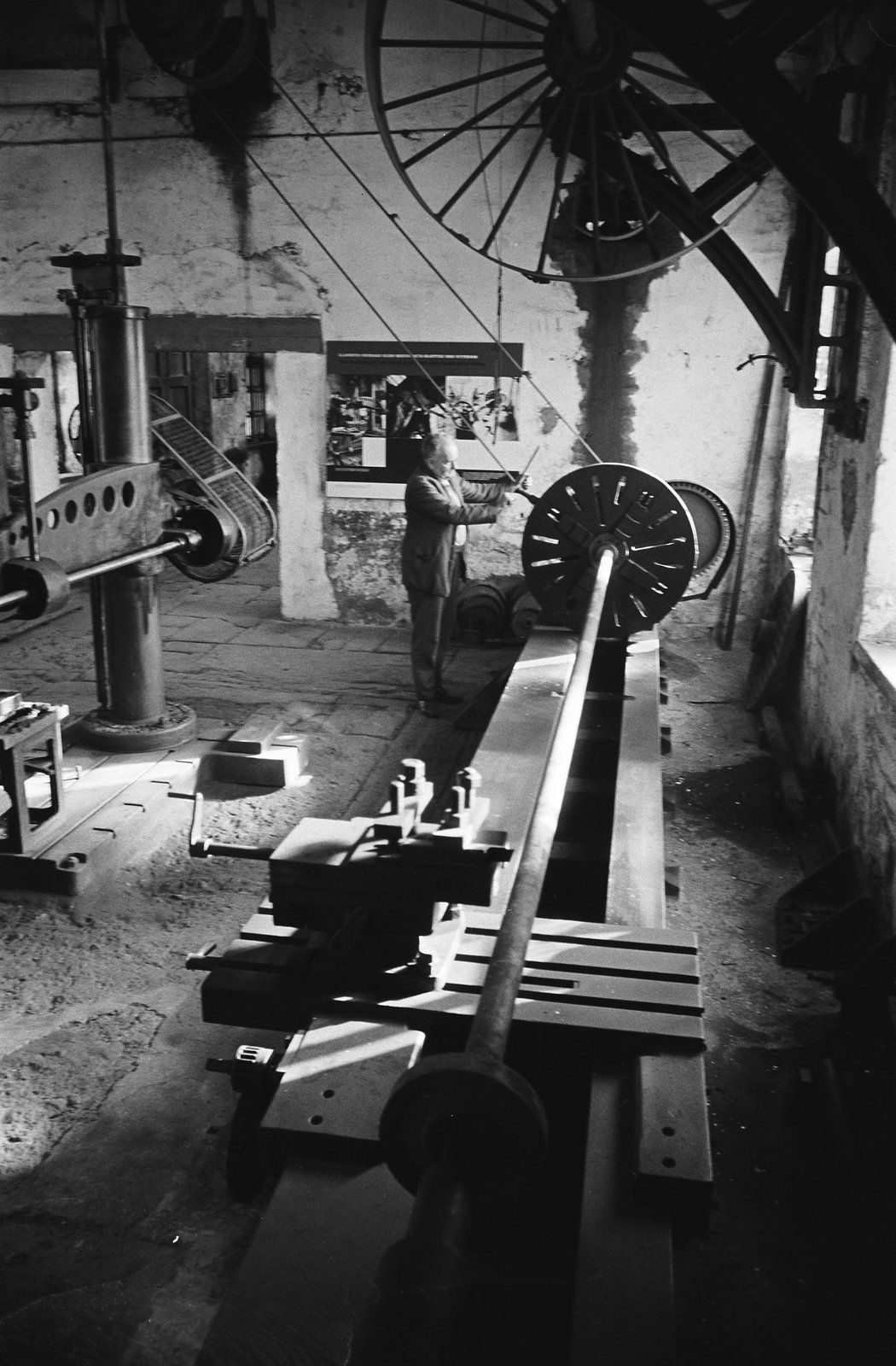
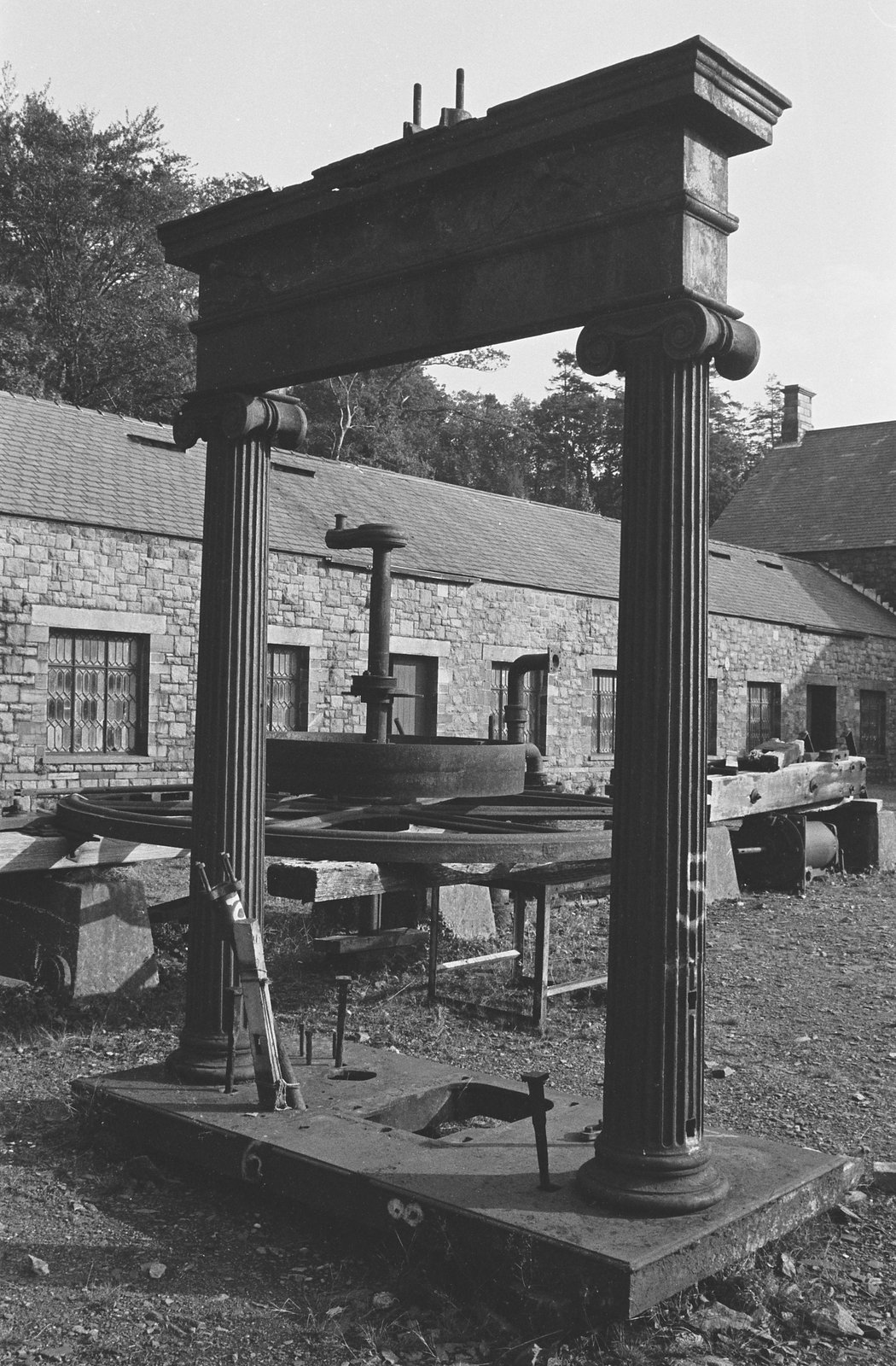
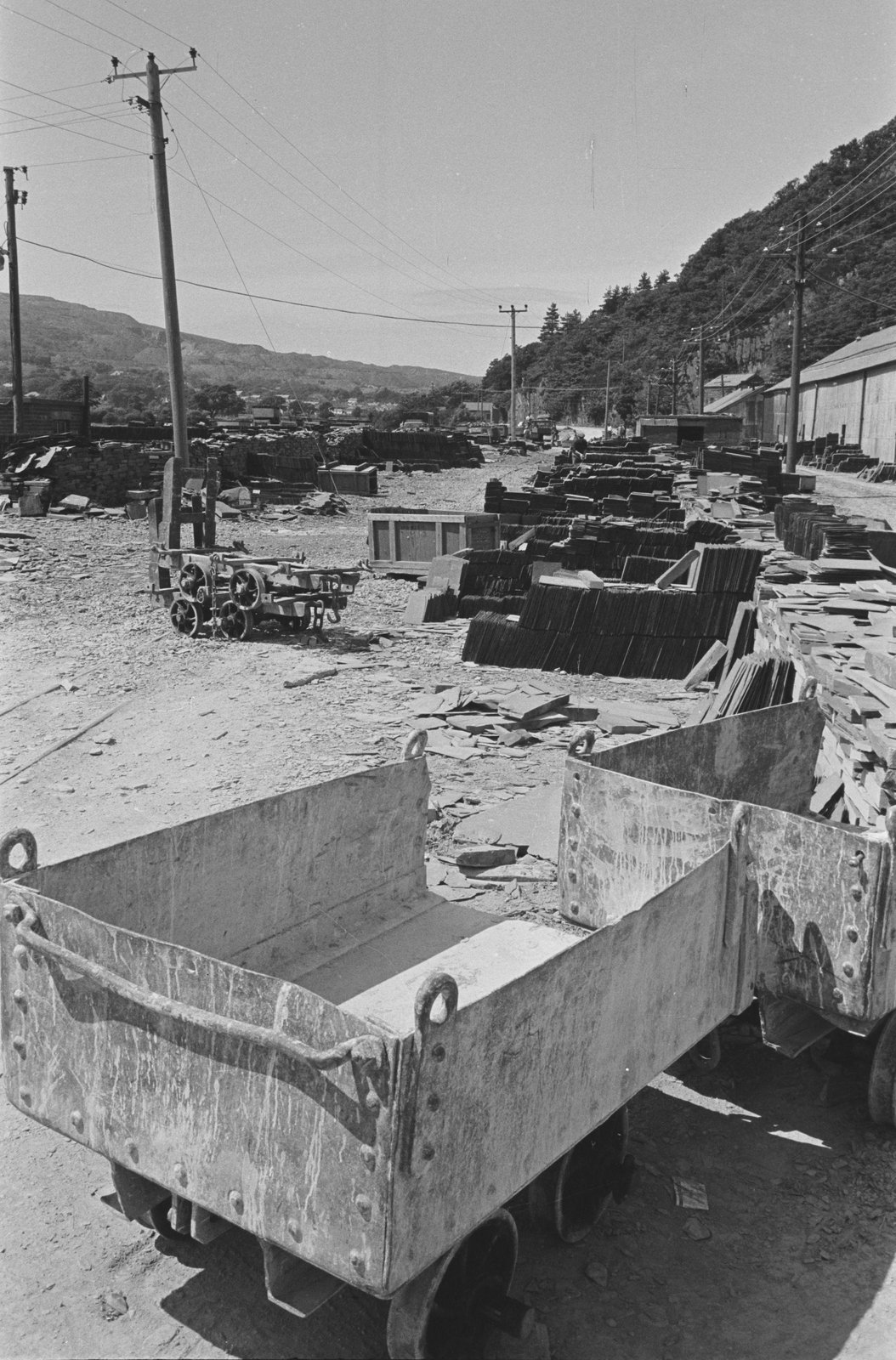
Gilfach Ddu workshops house the North Wales Quarrying Museum, including a water wheel and turbine. The Glan y Bala tunnel provided a connection to the southwestern area and now serves as a cable route. A hospital building on the hillside is open as a museum, and a large powder house exists in the woods above Vivian Quarry. Tramway and incline remnants, cast check plates, drum houses, and bridges remain throughout the site, with paths partly incorporating slate sleepers connecting levels. Much of the site forms part of a country park, allowing public access to key areas, while some sections have been disturbed by re-use or development, including a pumped storage scheme.
For comprehensive contemporary photos and location map see Flickr fluffy5518 user’s collections link in Publications section or click here
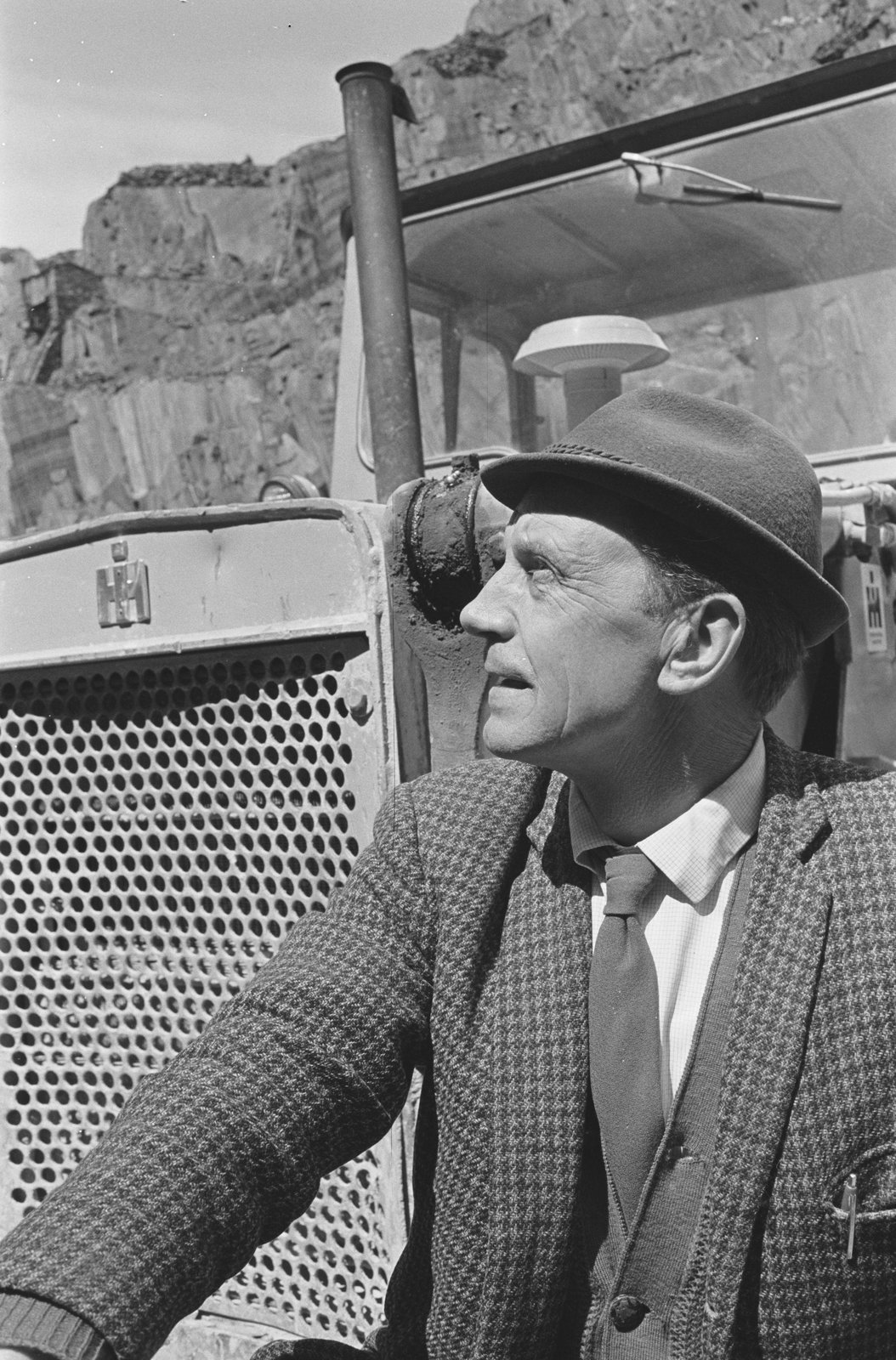
Dinorwig Quarry began in 1787 when a group led by landowner Assheton-Smith acquired the earlier Take Note workings. Throughout the eighteenth and nineteenth centuries, the site expanded to include terraces on multiple hillsides, eventually forming 13 terraces, each 60–75 feet high. Early material movement relied on sledges until 1816, after which self-acting inclines became standard. Two main incline systems eventually served the quarry, some connecting three terraces with intermediate wagons hitched and unhitched on the run.
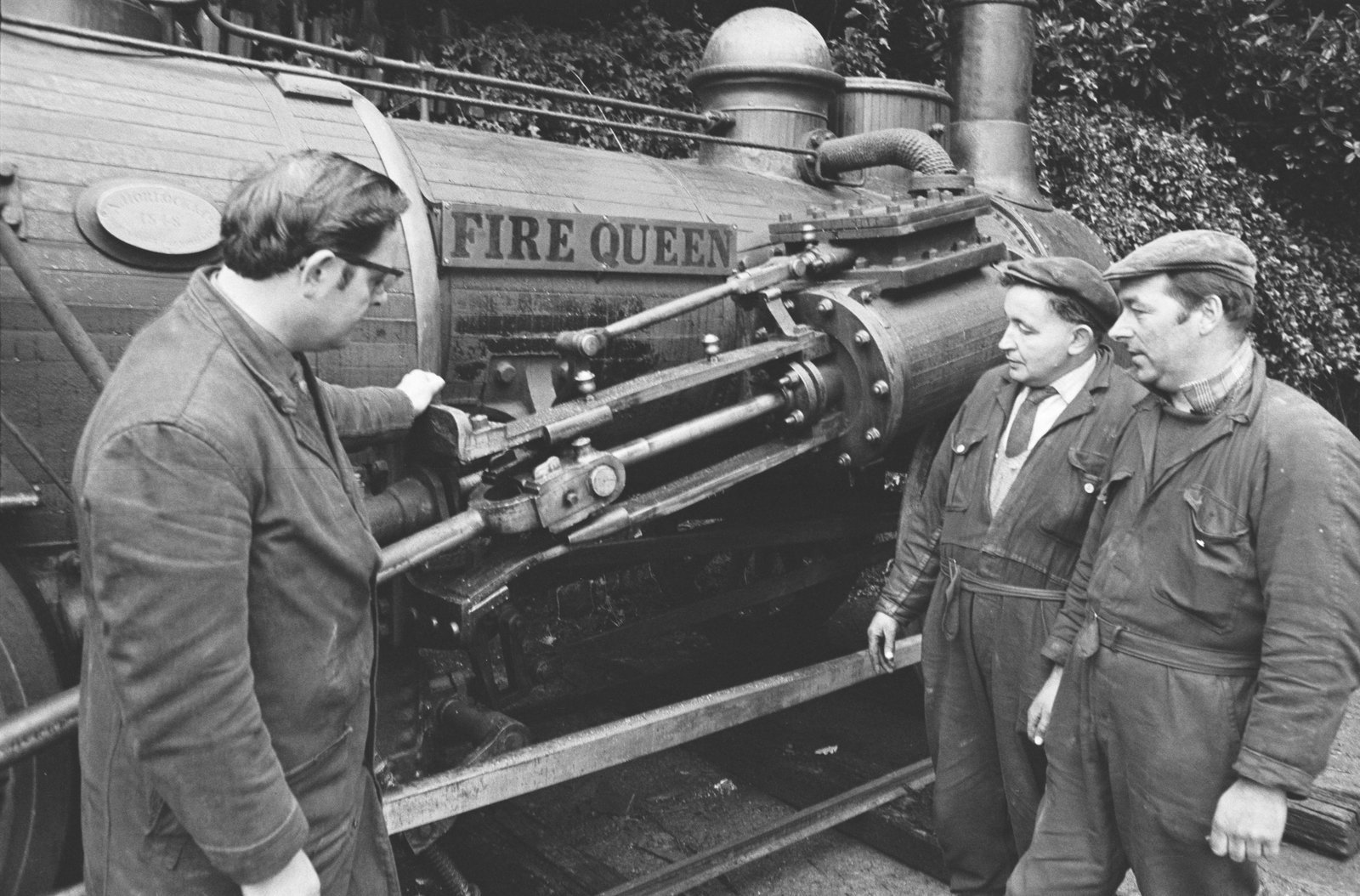
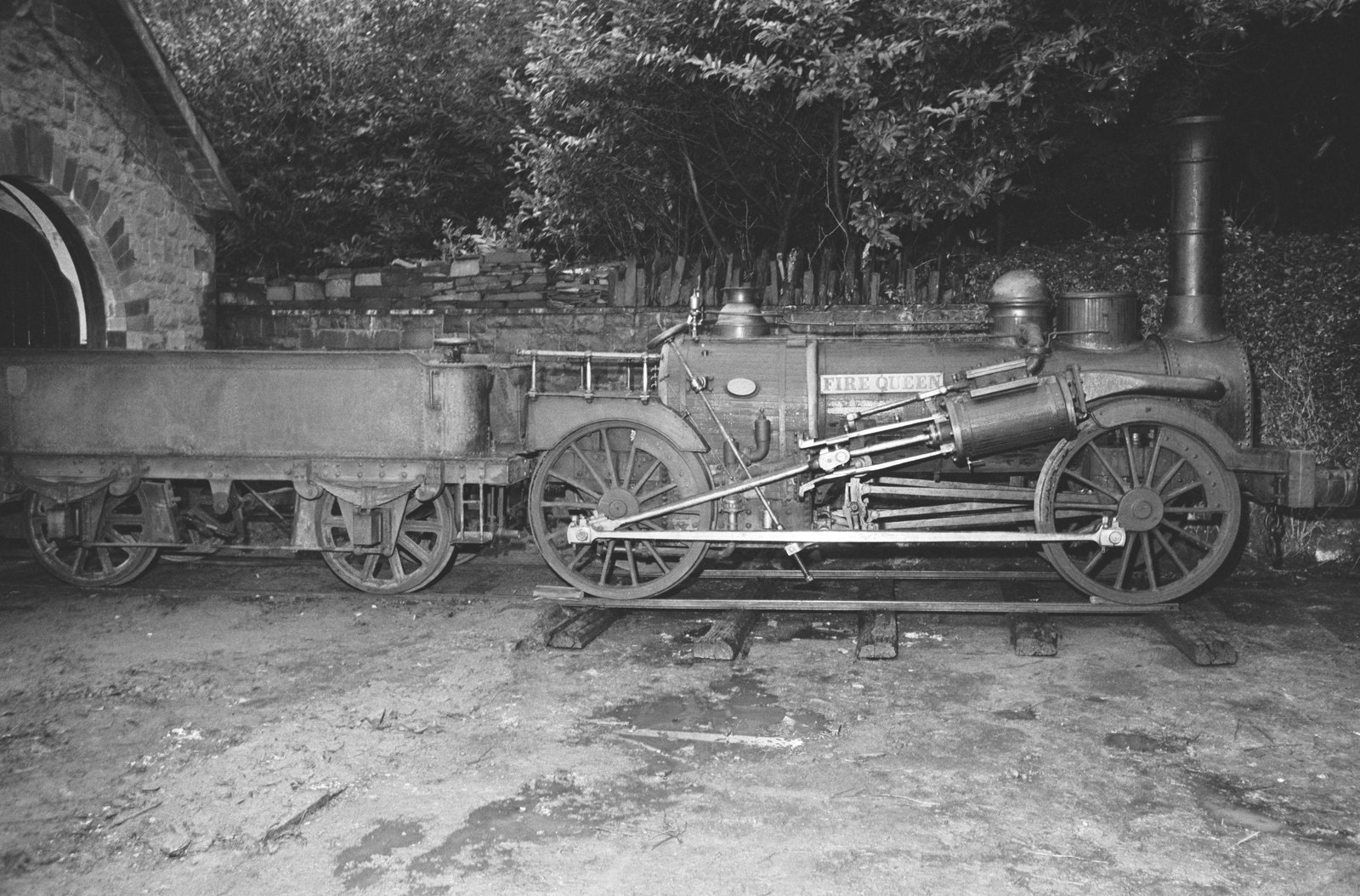
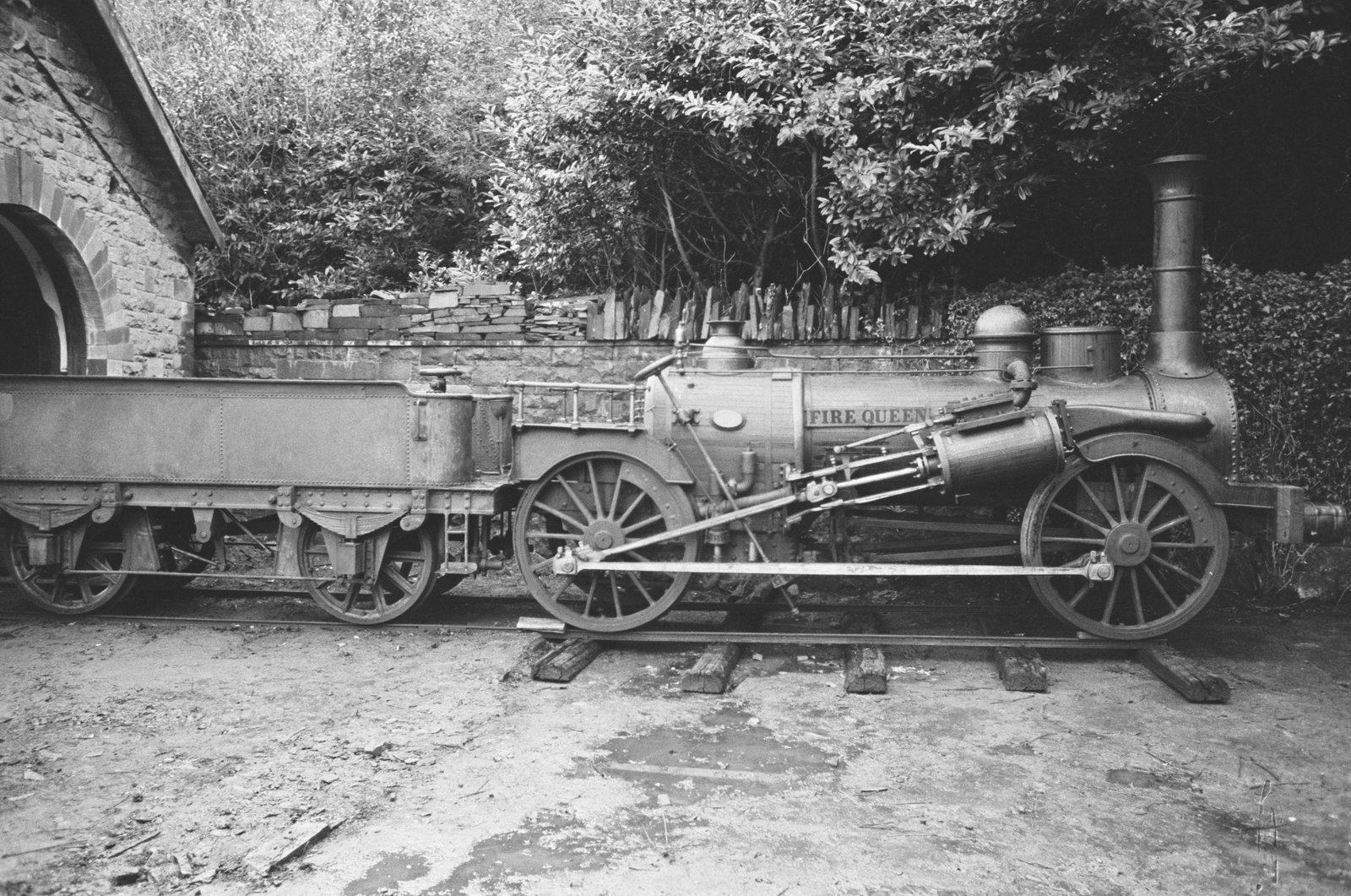
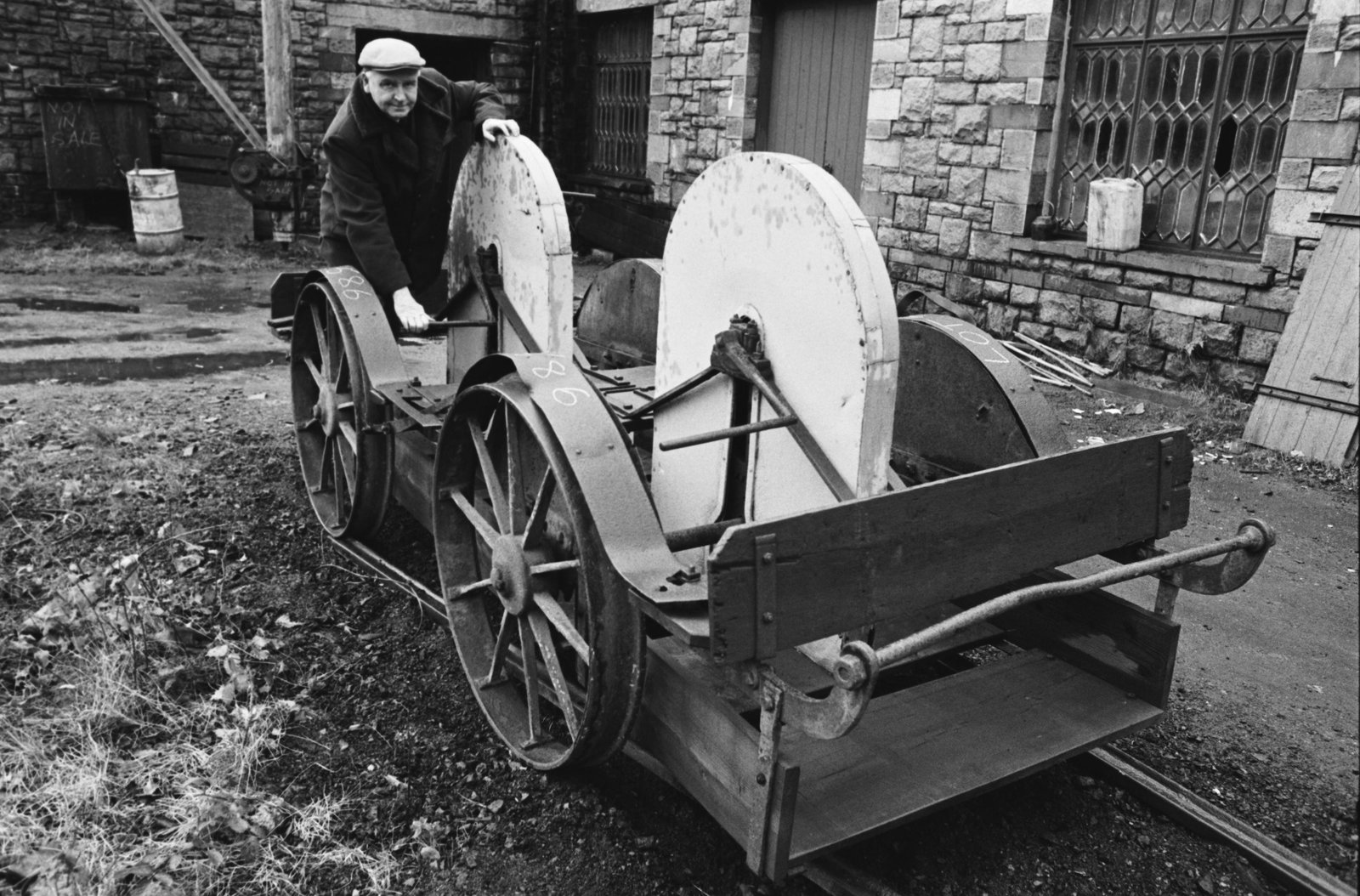
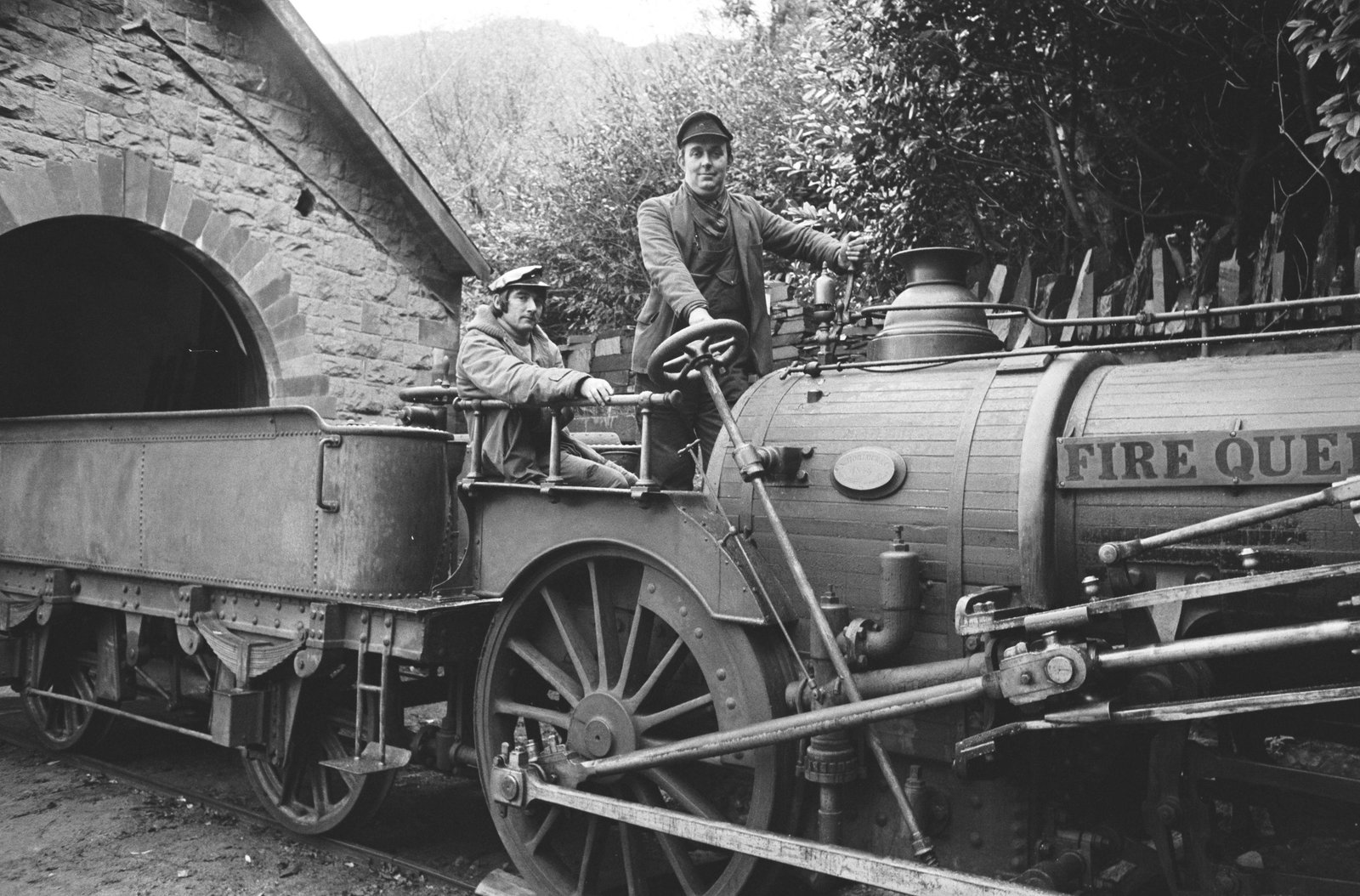
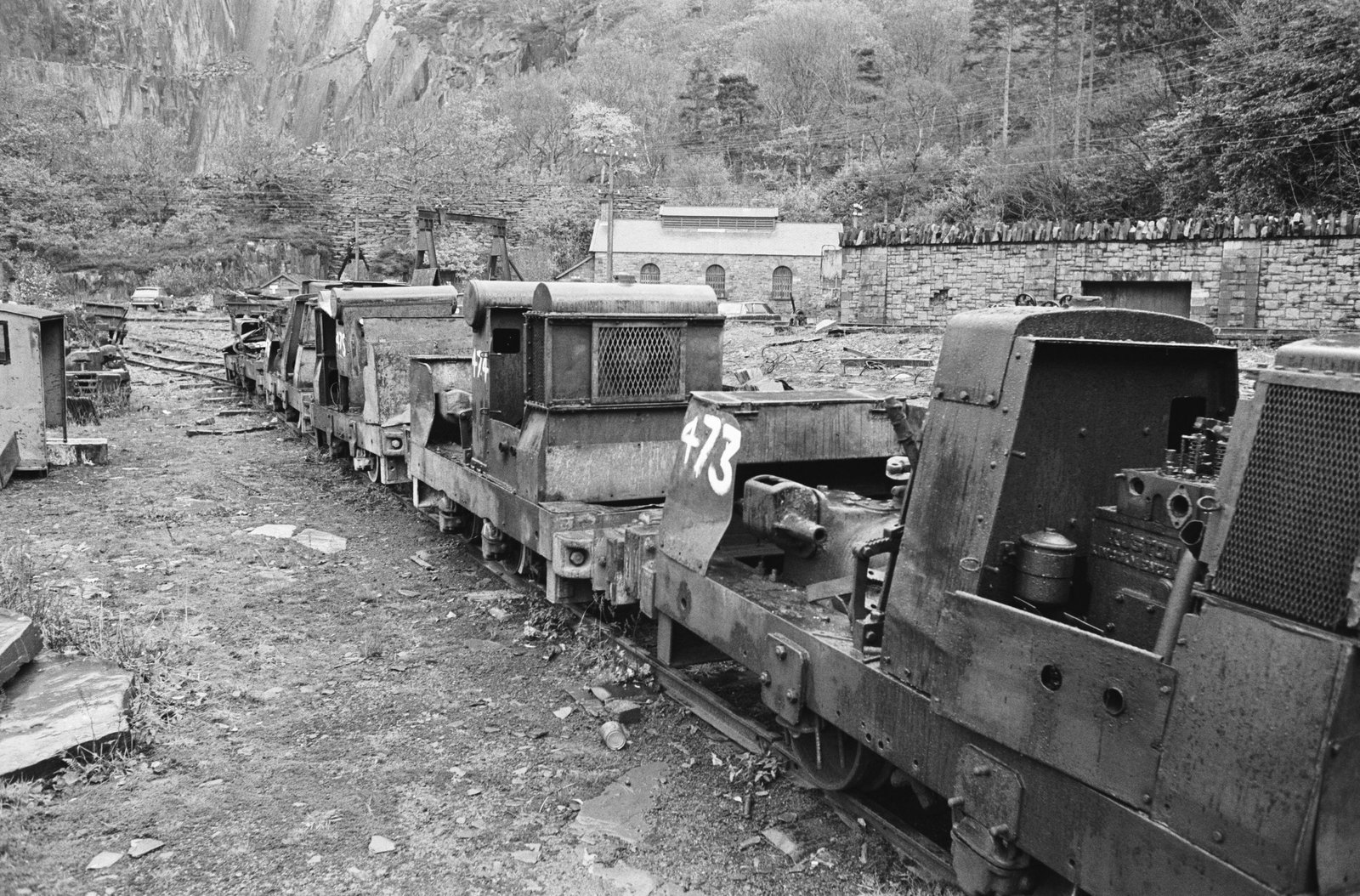
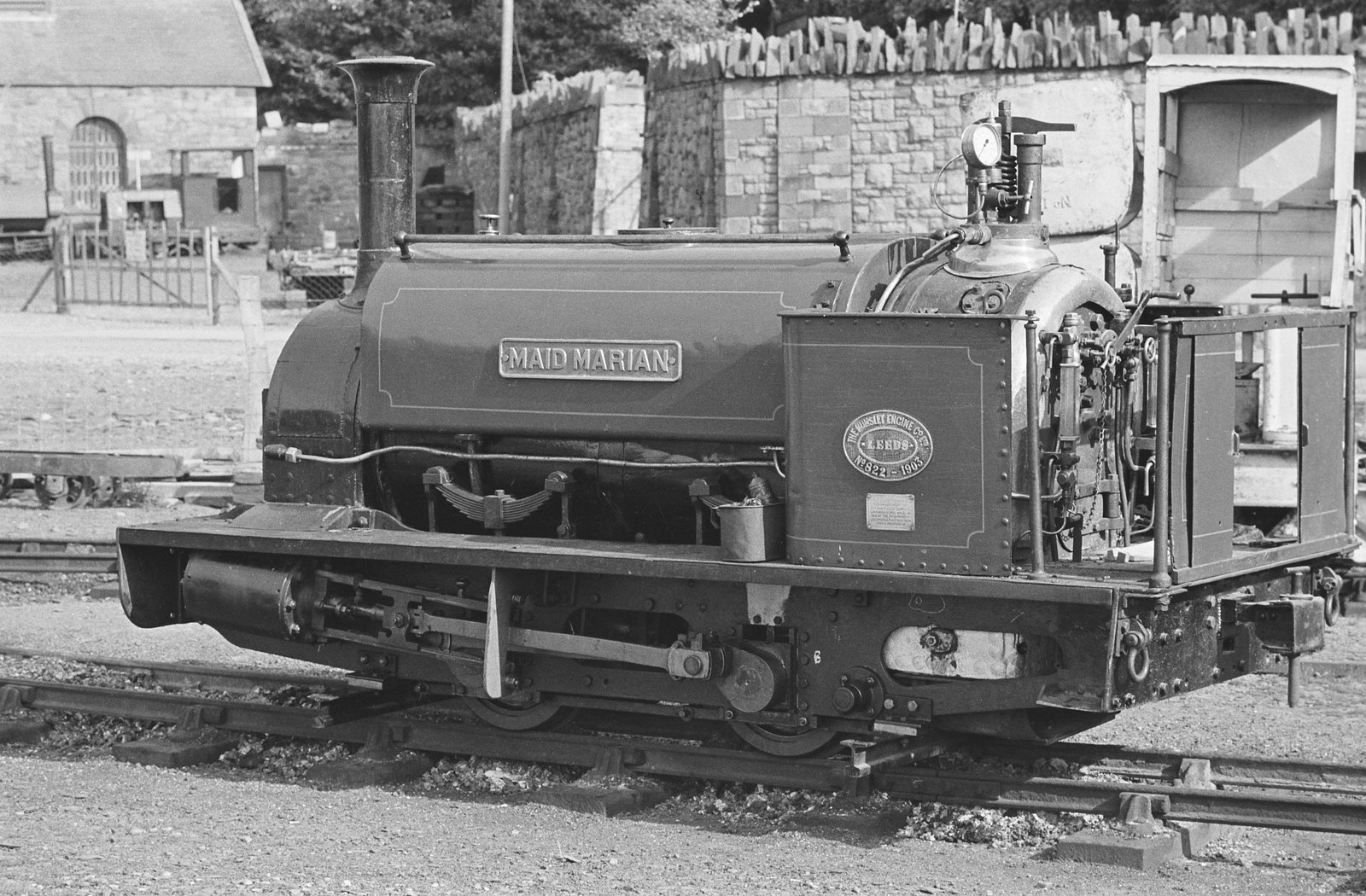
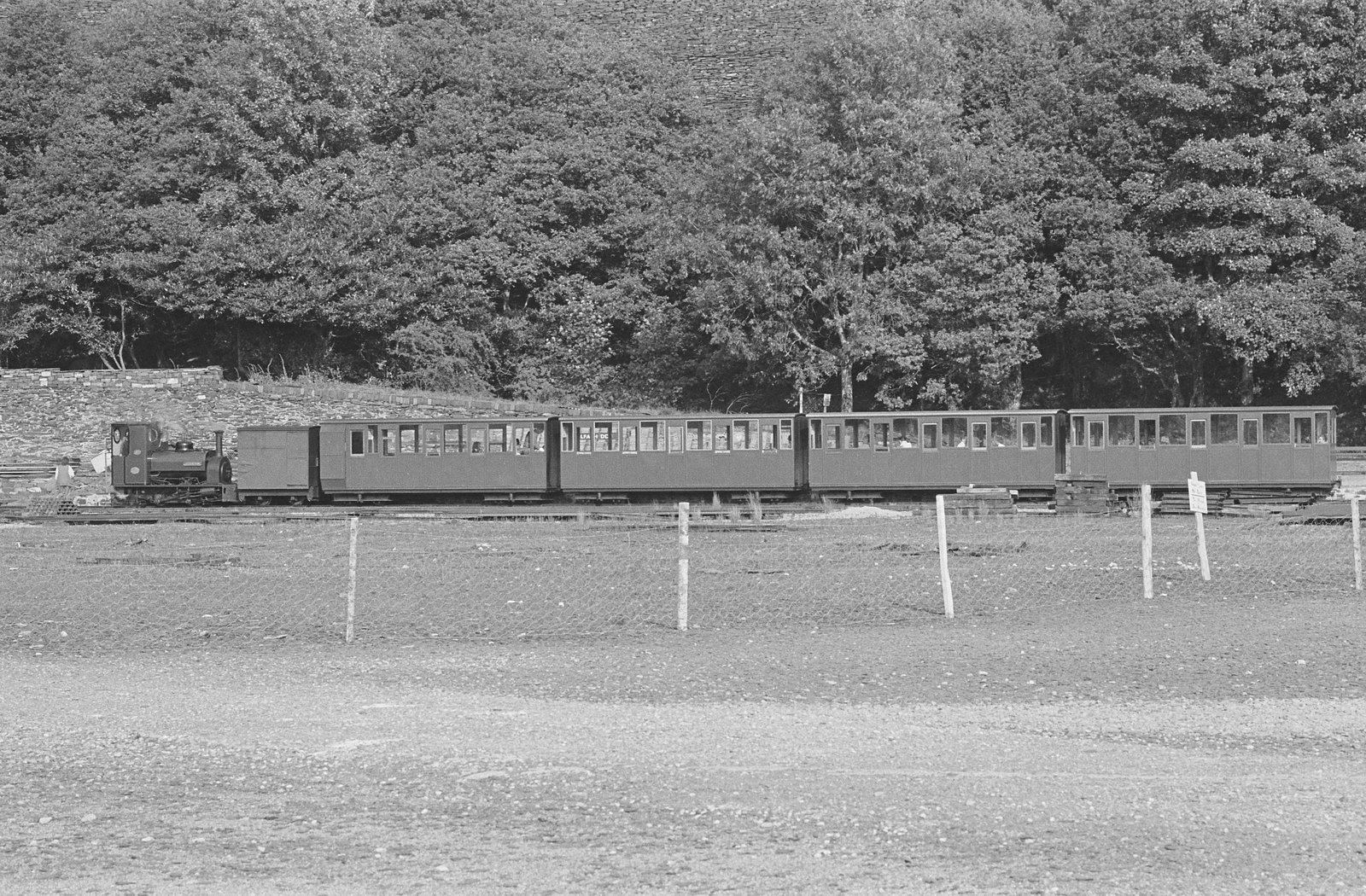
From the 1830s, tramway systems were laid on each terrace to facilitate transport. Steam locomotives appeared in the 1870s and petrol locomotives in the 1930s, with track mileage once exceeding 50 miles and compressed air piping over 15 miles. Central mill working was introduced in the mid-nineteenth century, with Mills Level serving the north-western side and numerous other mills distributed across the site. Electricity from Cwm Dyli was introduced in 1905, and several Blondin ropeways were installed in the 1930s.
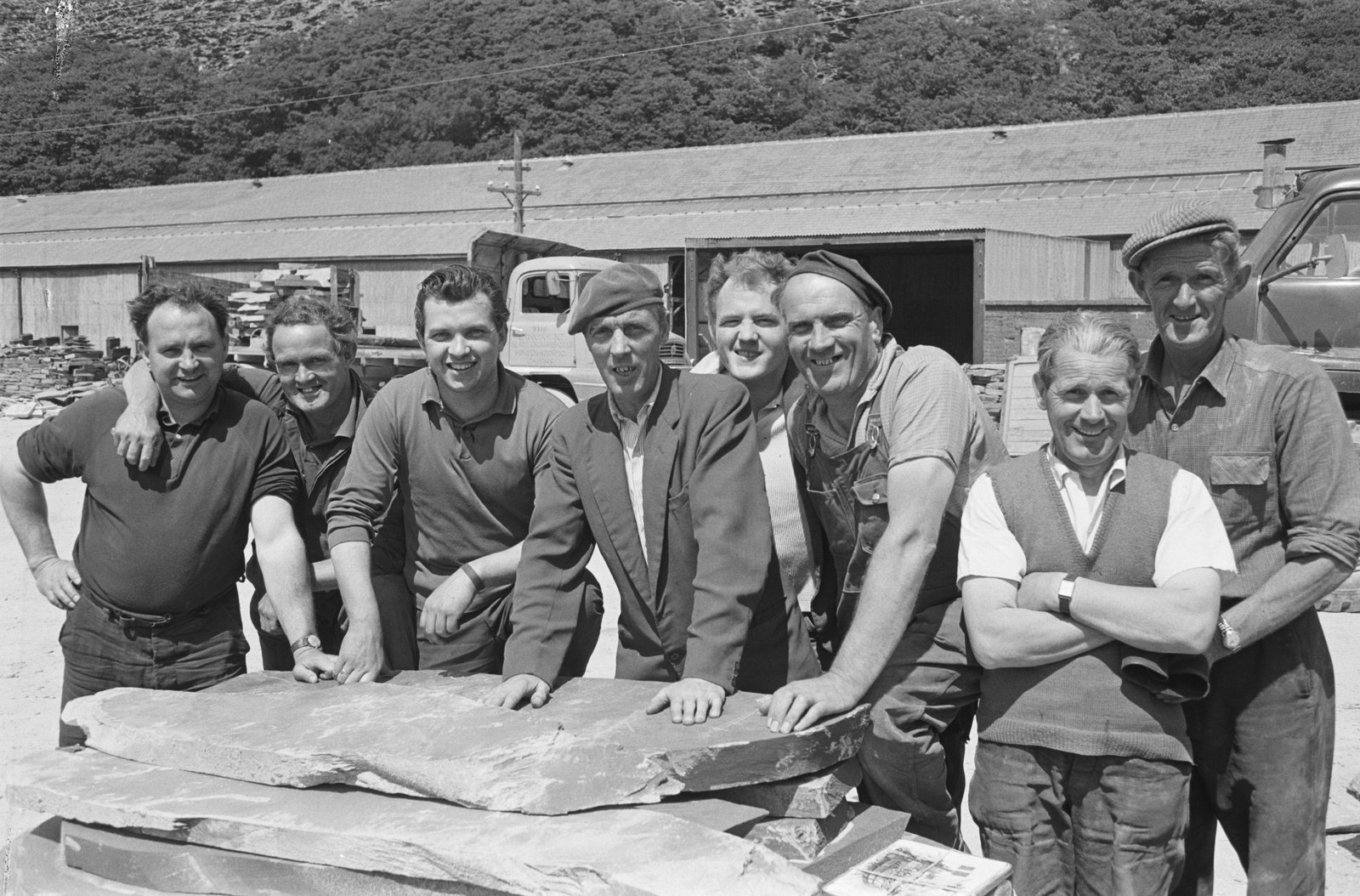
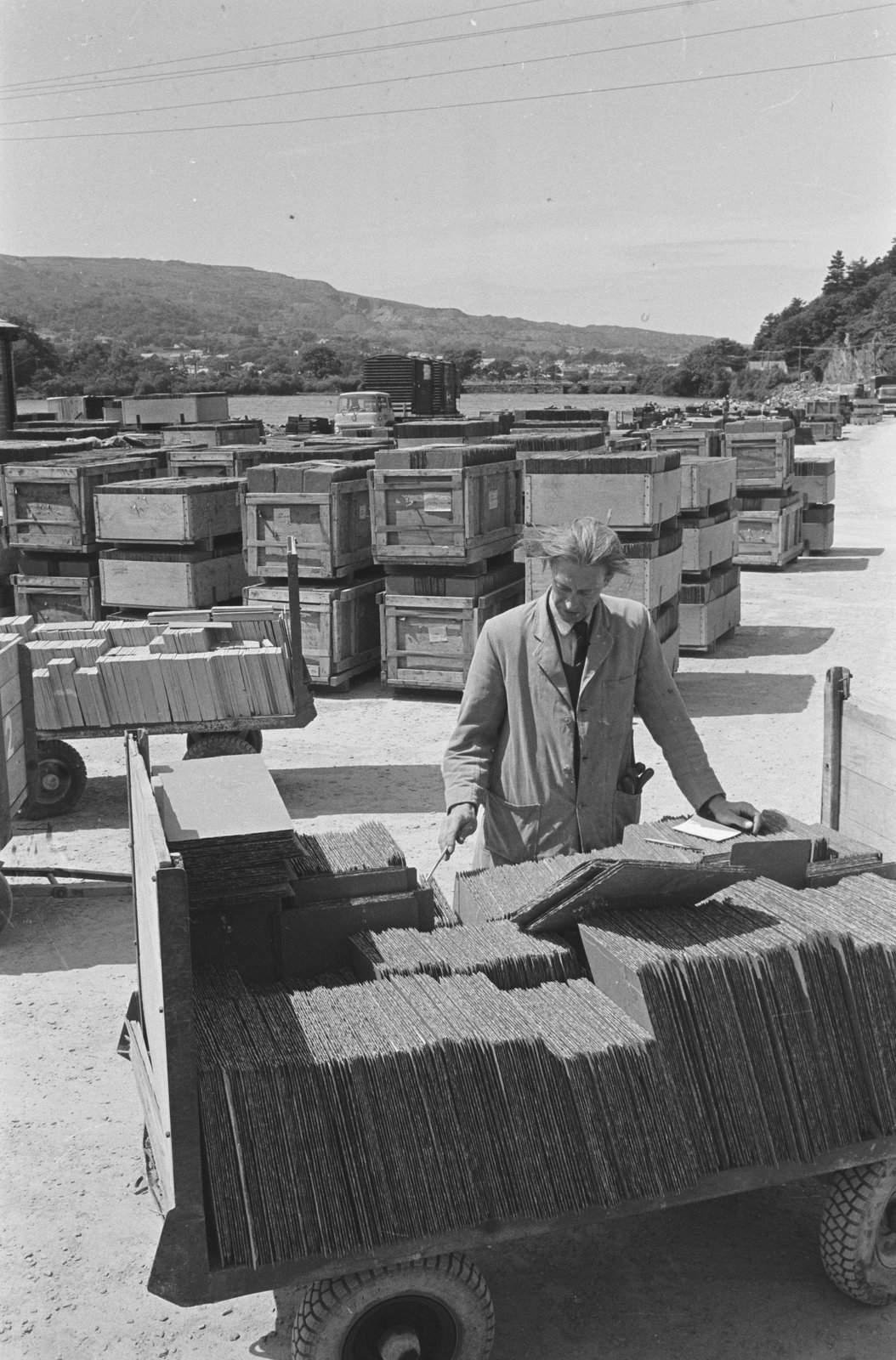
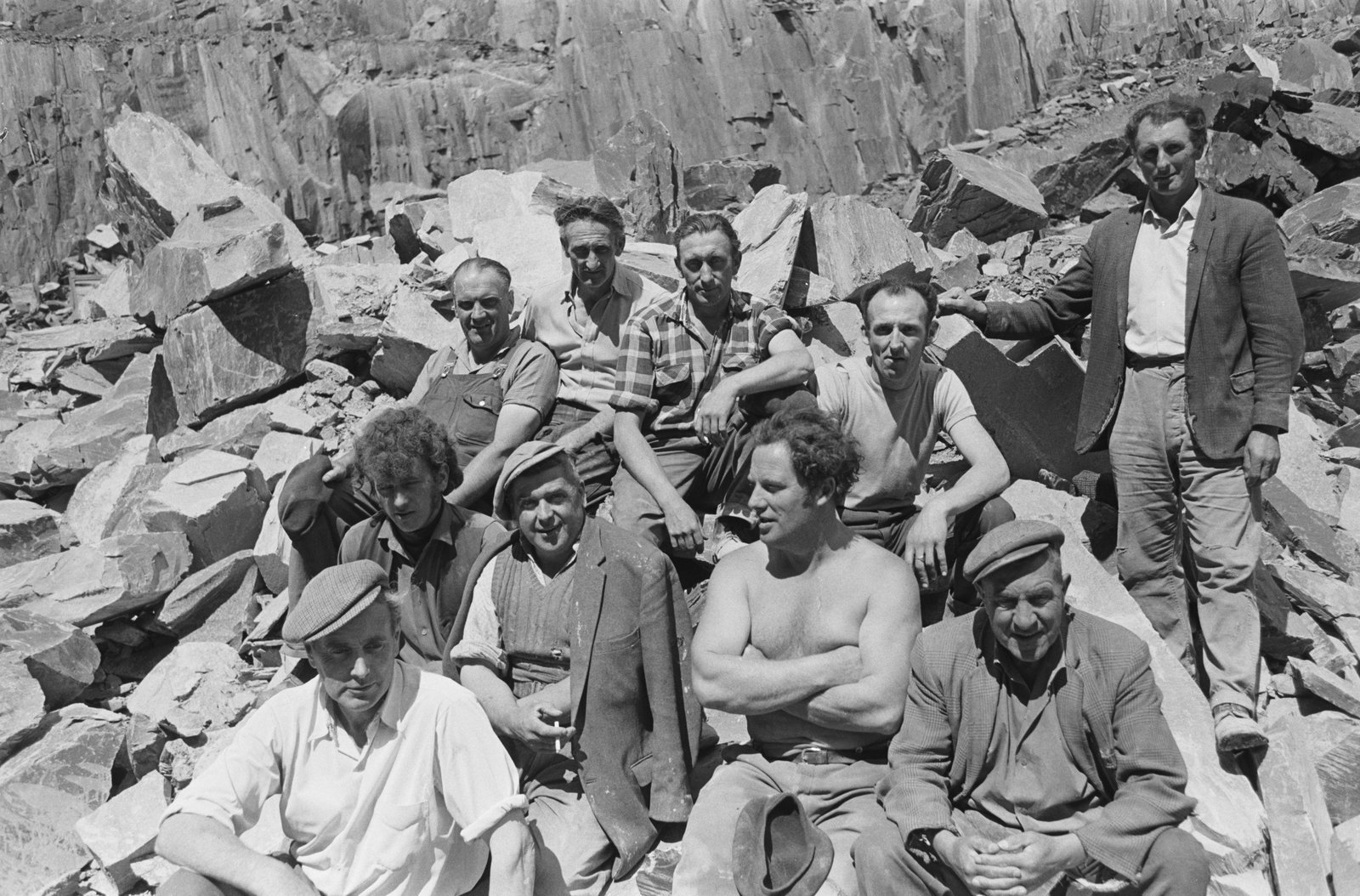
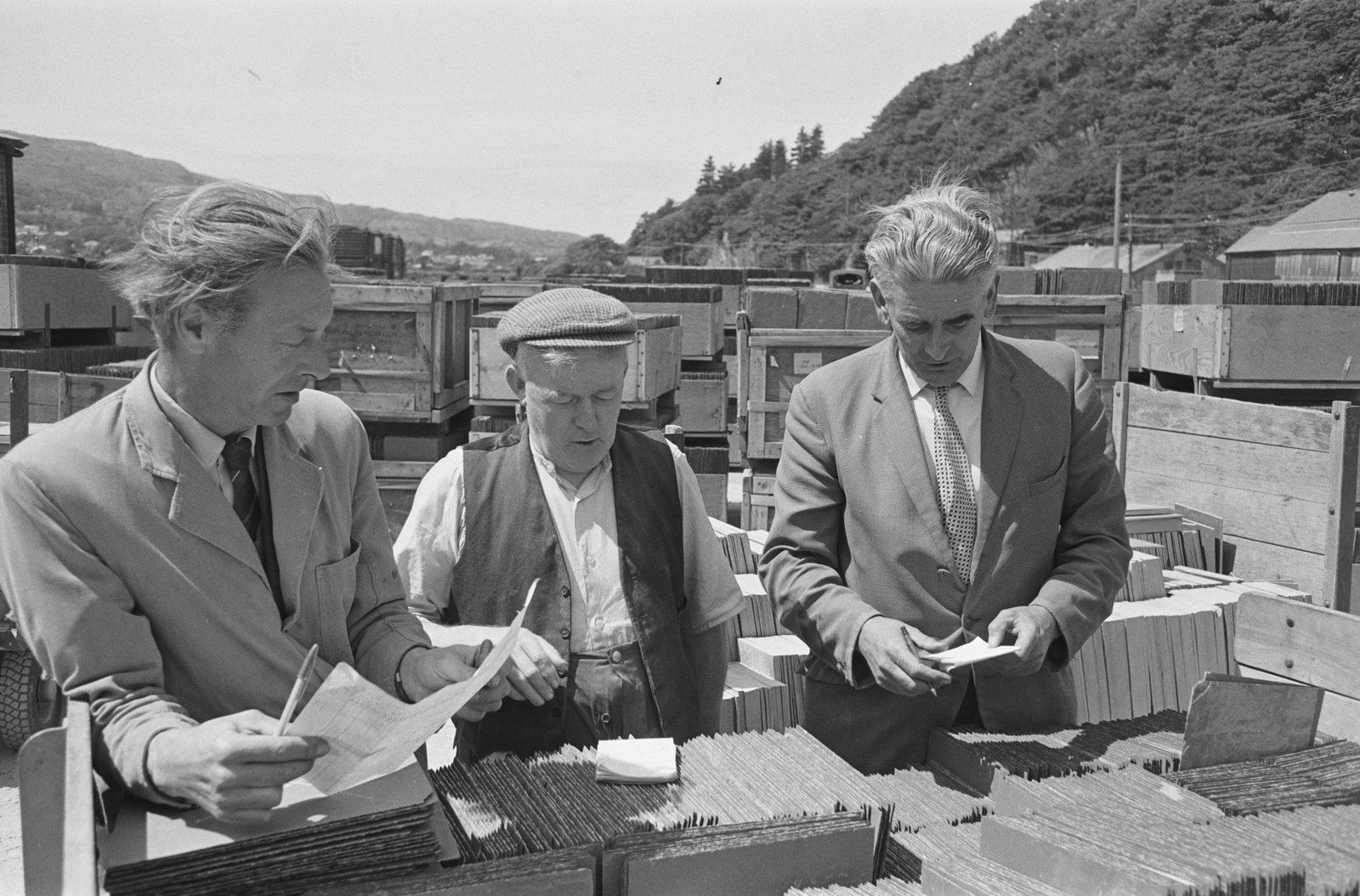
Initial product transport was by boat along Llyn Padarn, later replaced by road and then the Dinorwig Railway in 1824. Acquisition of Fachwen quarry allowed the Padarn Railway to follow a lakeside route. At peak output in the late 1890s, the quarry produced around 100,000 tons per year, with 87,429 tons recorded with 2,757 men in 1882, representing nearly a quarter of Welsh slate production. The quarry remained a major employer until closure in 1969.
External Links
Publications (22)
- (1868); Llanberis Slate Company - MJ Report; 2 pages
- (1986); WMS Newsletter Issue 14 Jun; 3 pages
- (1997); CATMHS - Newsletter 051-October; 20 pages
- (1997); WMS Newsletter Issue 36 Jun; 8 pages
- (2000); WMS Newsletter Issue 42 Apr; 8 pages
- (2001); WMS Newsletter Issue 44 Apr; 10 pages
- (2001); WMS Newsletter Issue 45 Dec; 14 pages
- (2002); WMS Newsletter Issue 46 Apr; 23 pages
- (2003); WMS Newsletter Issue 49 Winter; 32 pages
- (2008); WMS Newsletter Issue 58 Spring; 24 pages
- (2021); CATMHS - Newsletter 145-November; 58 pages
- fluffy5518; Dinorwic Quarry Location Maps & Contemporary photos; 1 pages
- Gwyn, David, (2015); Welsh Slate: archaeology and history of an industry; Royal Commission on the Ancient and Historical Monuments of Wales; 9781871184518
- le Neve Foster, C. (1896); Mines & Quarries Report-North Wales; 57 pages
- Lindsay, Jean (1974); History of the North Wales Slate Industry; David & Charles; pp.317-318; ISBN 0-71536-264-X
- NMRS; British Mining 34 - Memoirs 1987; pp.28
- NMRS; Newsletter Dec/2001; p.9
- NMRS; Newsletter Nov/1989; p. 2.
- Richards, Alun J. (2013); Slate Quarrying in Wales; Gwasg Carreg Gwalch; ISBN 1-84527-026-6
- Richards, Alun John (1991); Gazeteer of the Welsh Slate Industry, A; Gwasg Carreg Gwalch 978-0863811968
- Richards, Alun John, (1999); The Slate Regions of North and Mid Wales and their Railways; Gwasg Carreg Gwalch; 0863815742
- Richards, Alun John, (2002); Fragments of Mine & Mill in Wales; pp.15, 32, 101 ; Gwasg Carreg Gwalch; 0863818129